


The tree of life
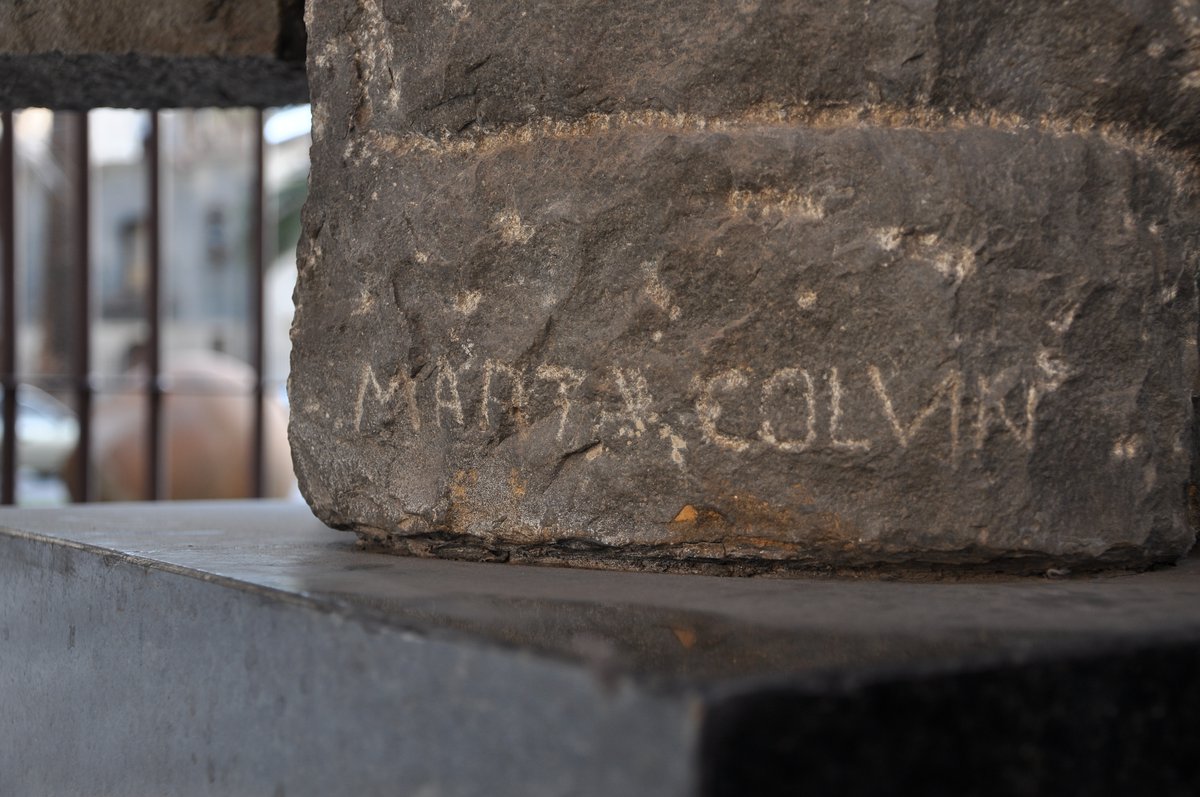
Marta Colvin
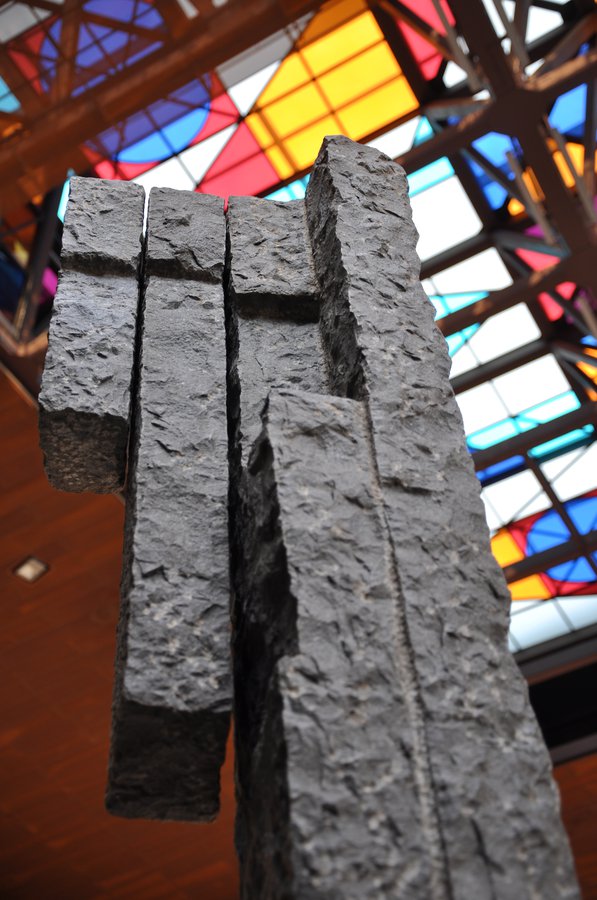
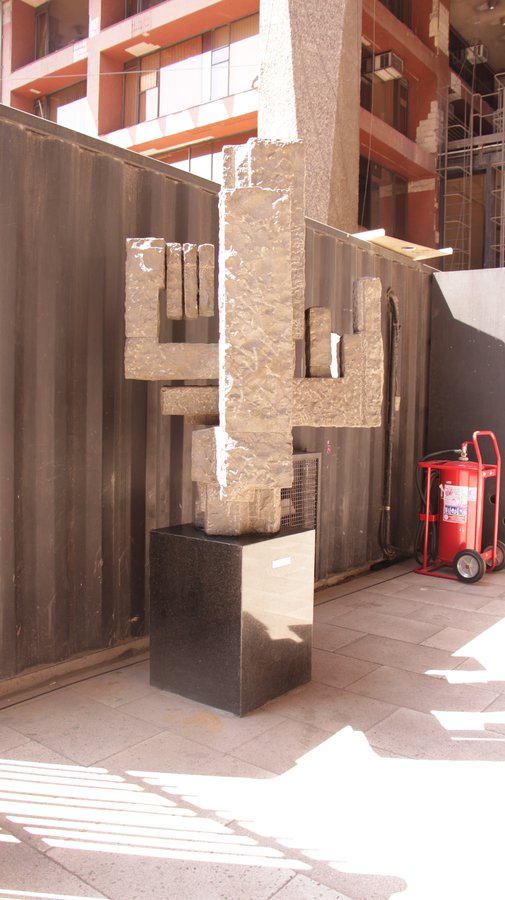
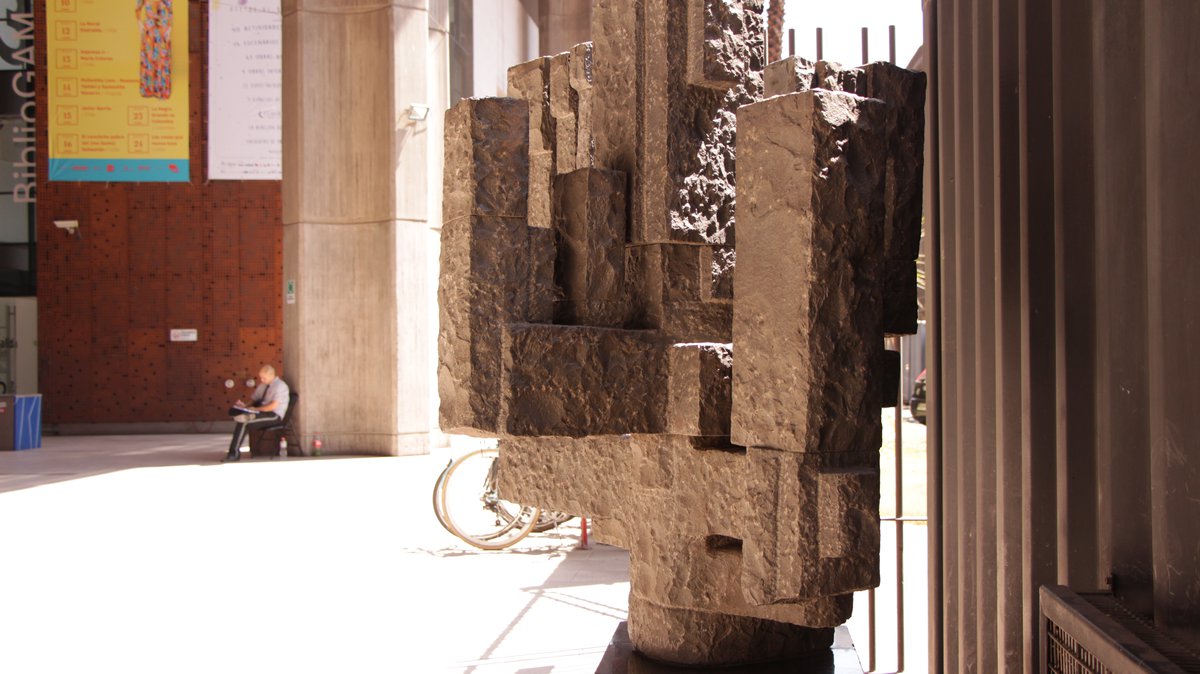
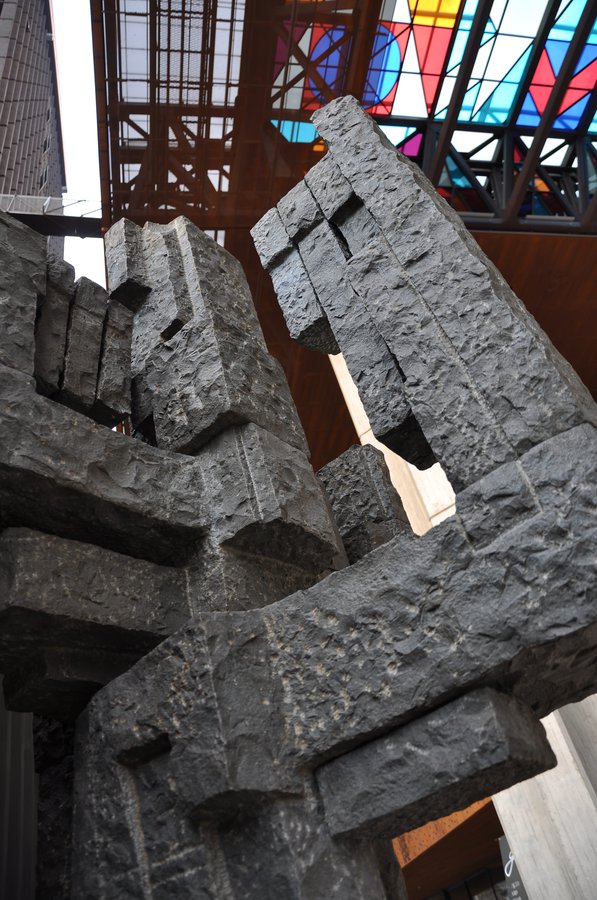
Escultura articulada en piedra, 1971
The work of Marta Colvin, winner of the 1970 National Art Prize, is characterized by abstraction and the use of forms and symbols belonging to pre-Columbian art.
During the construction period, this sculptor was the teacher of several artists who also contributed their works to the original building. It is the only sculpture in the collection that is today located in its original location.
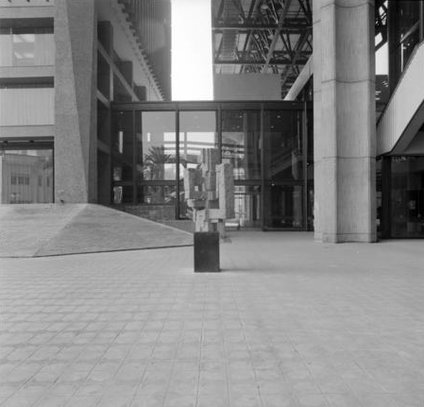
original location
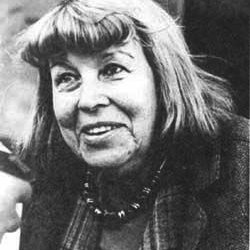
Marta Colvin Andrade
(Chillán, 1907 - Santiago, 1995).
Sculptor, National Prize for Plastic Arts 1970.
Colvin was very skilled in the "techniques of stone carving, bronze casting and wood roughing, the latter being a characteristic of her production." In its beginnings, human figures predominated, but it evolved "towards a style that attempted to represent the elemental forces of nature."
Around the 1960s it found its particular stamp, which is characterized by the meeting of several blocks assembled together, which lift the work vertically and expand it horizontally, generating tension; The surfaces were marked with deep incisions that accentuate the directions of the volume, as well as its rhythms and tensions. He thus developed "an abstract theme that proposes the search for South American forms and symbols."
The artist's personal archive was donated by the Marta Colvin Estate in 2007 to the Library and Archive of the National Museum of Fine Arts and in the following years the Marta Colvin Fund was organized, which has been available to scholars since 2010. In the mansion of the El Mono estate, which belonged to her husband Fernando May, the Marta Colvin Museum with its sculpture park operates.