

Ngā Morehu
James Rickard y Karaitiana Rurehe
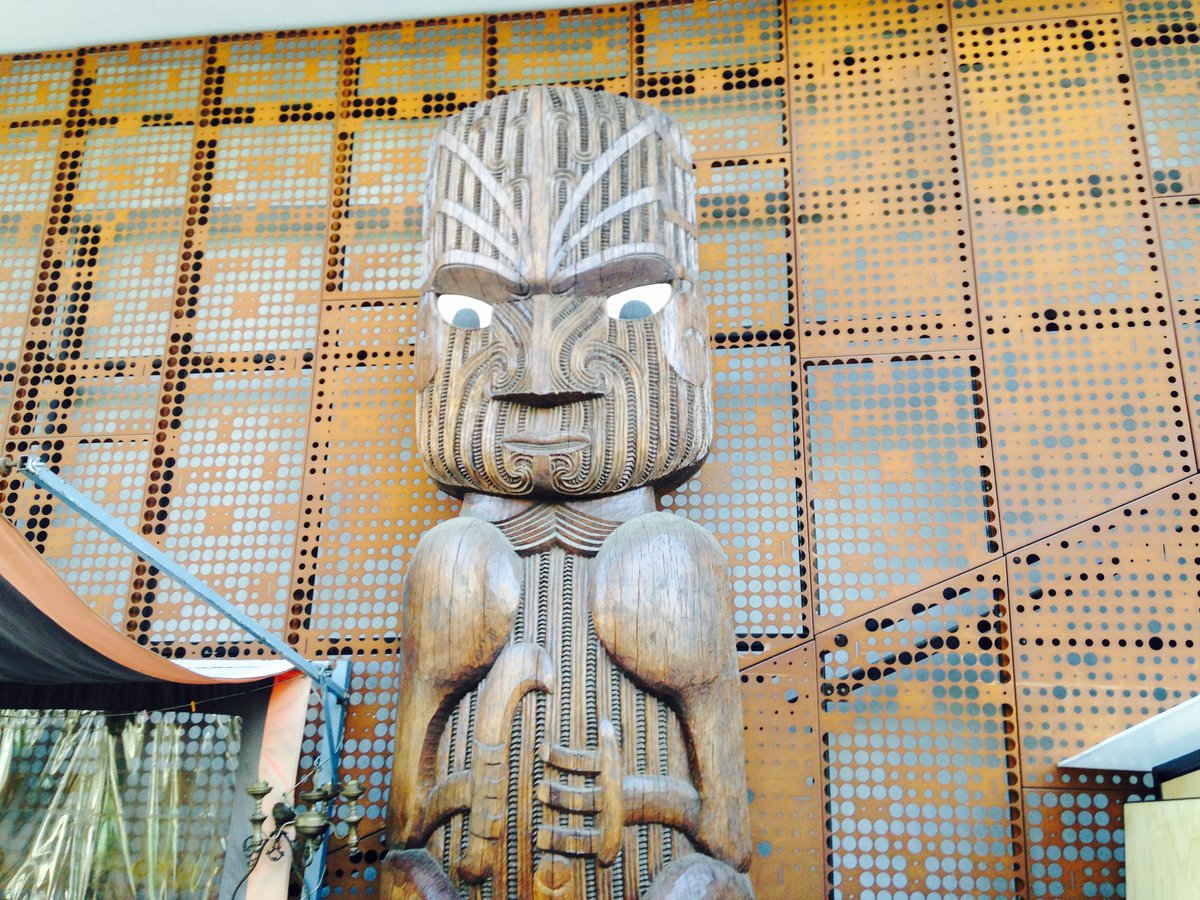
Tótem de madera de totara
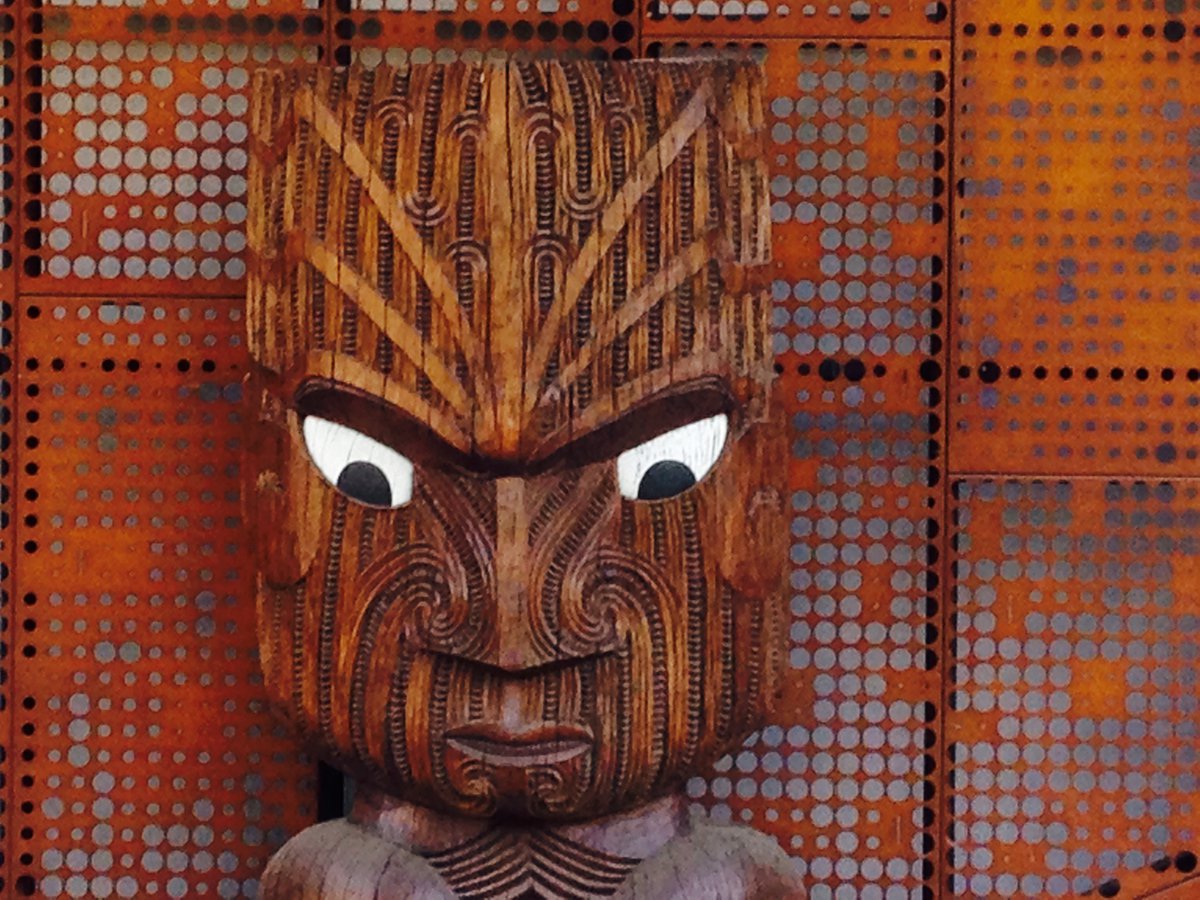
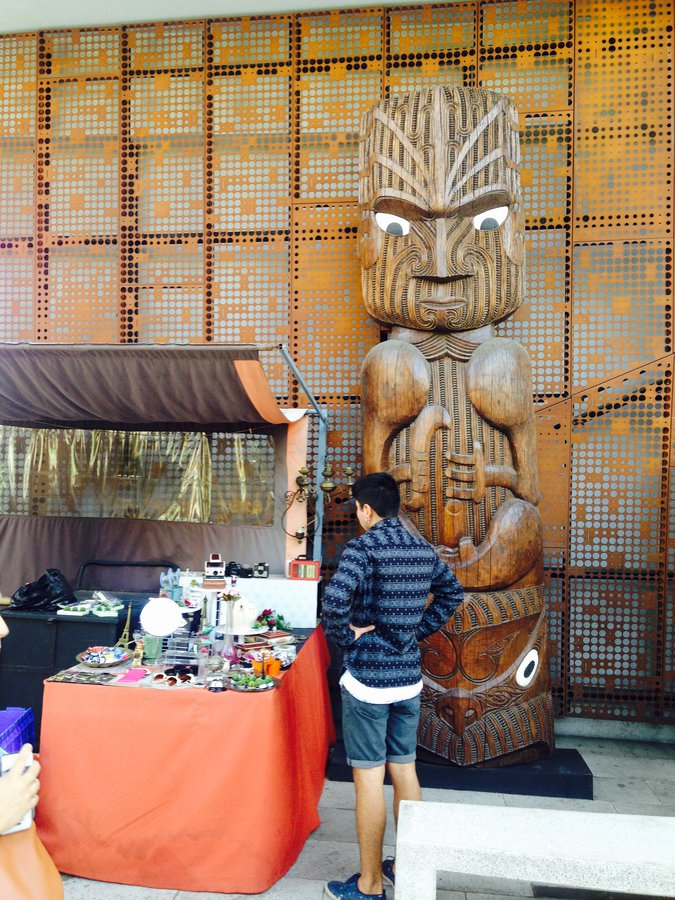
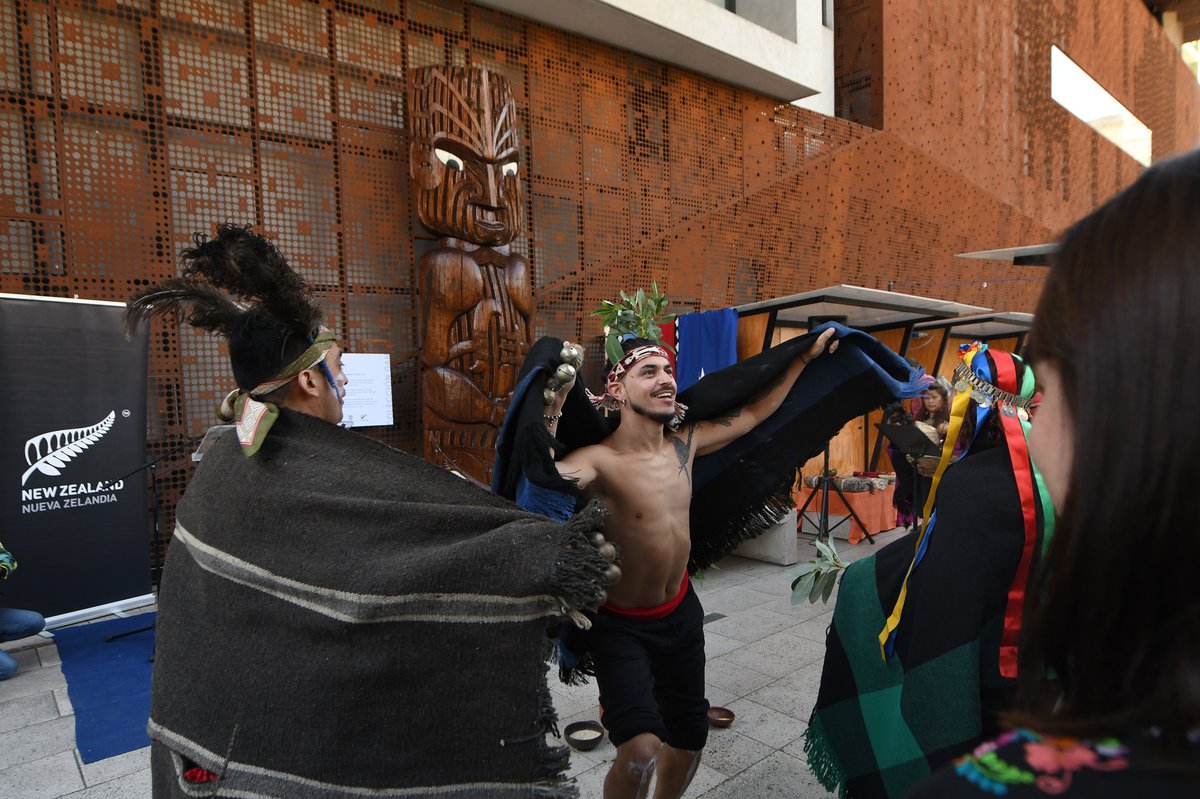
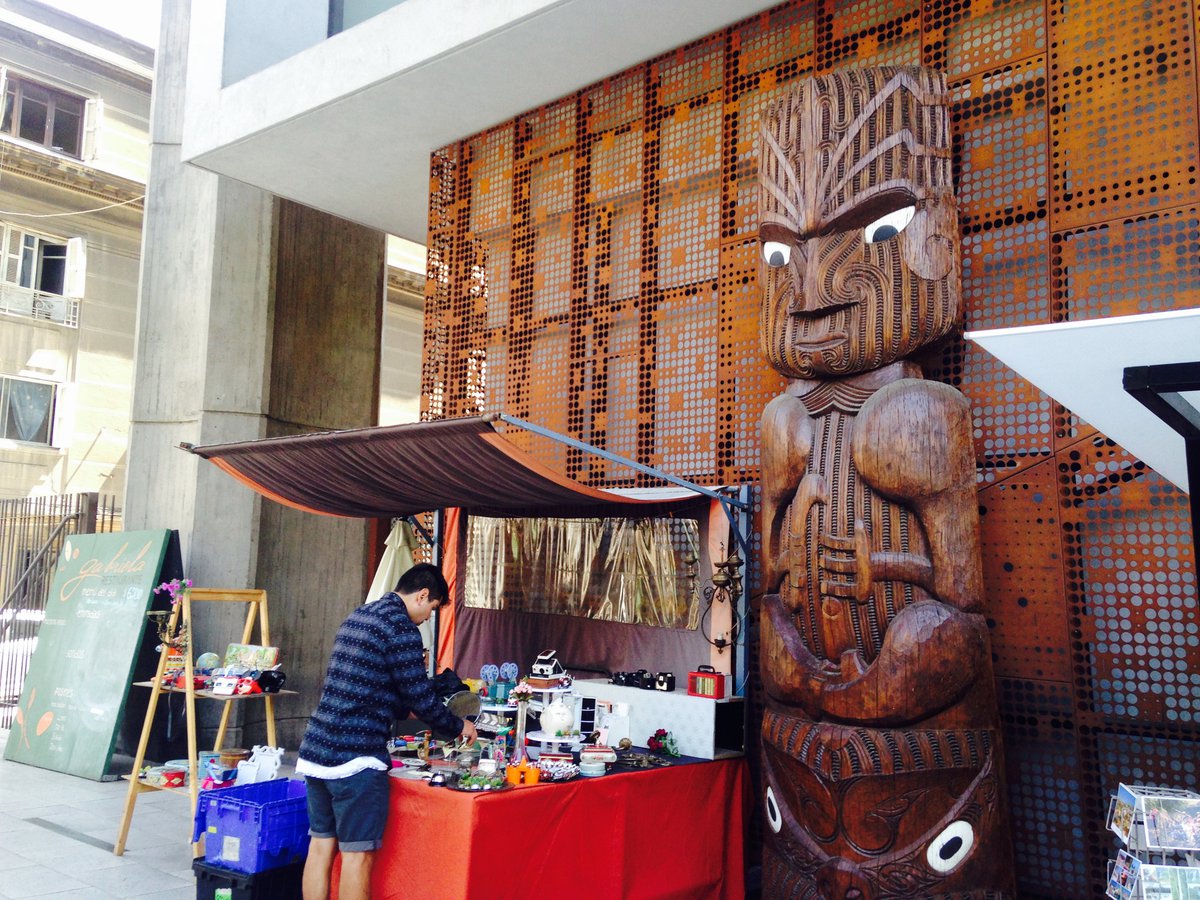
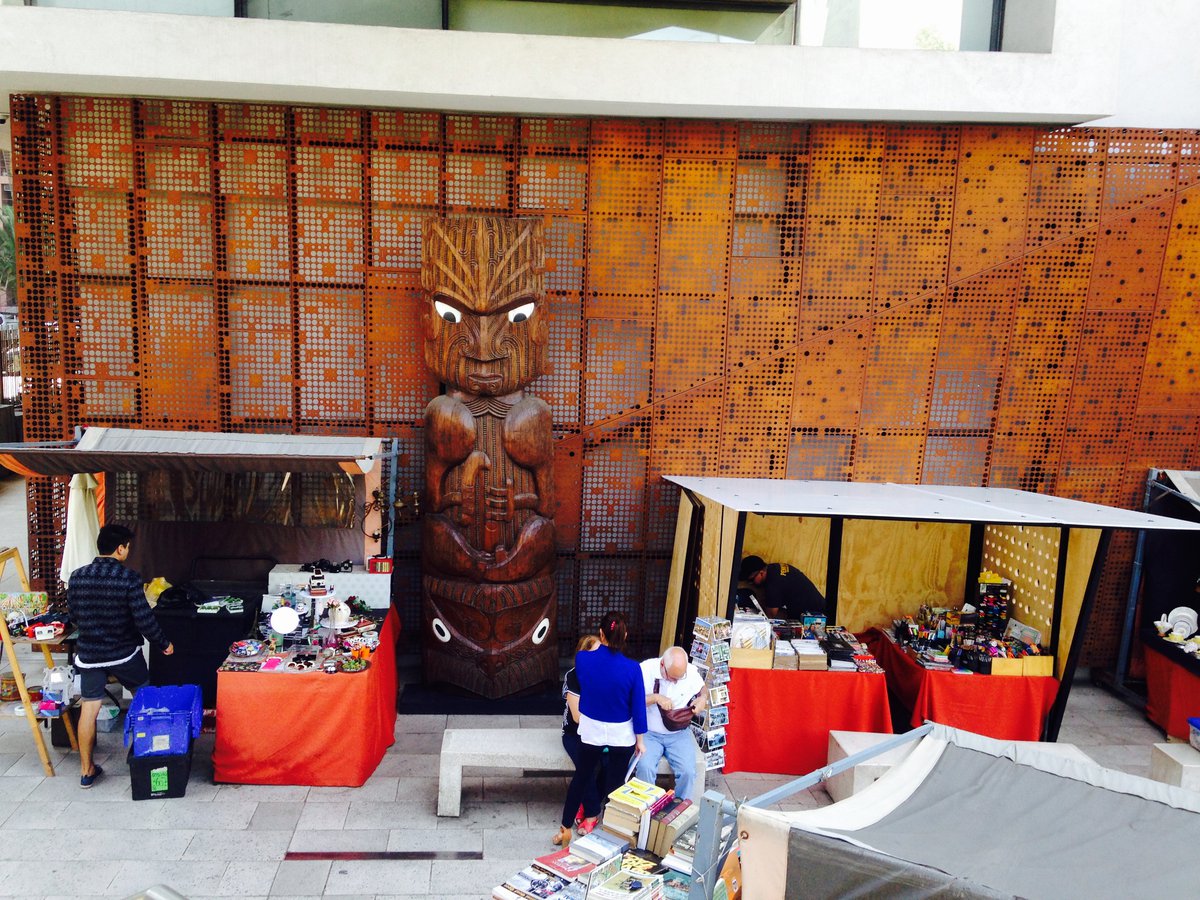
A totem pole made of totara wood stands among the stalls at the Plaza Poniente antiques fair. It has been at GAM since 2015, when it was carved live by a group of Maori artists who traveled to Chile for the exhibition Tuku Iho: Maori Living Legacy, held in the visual arts room thanks to the support of the New Zealand Embassy.
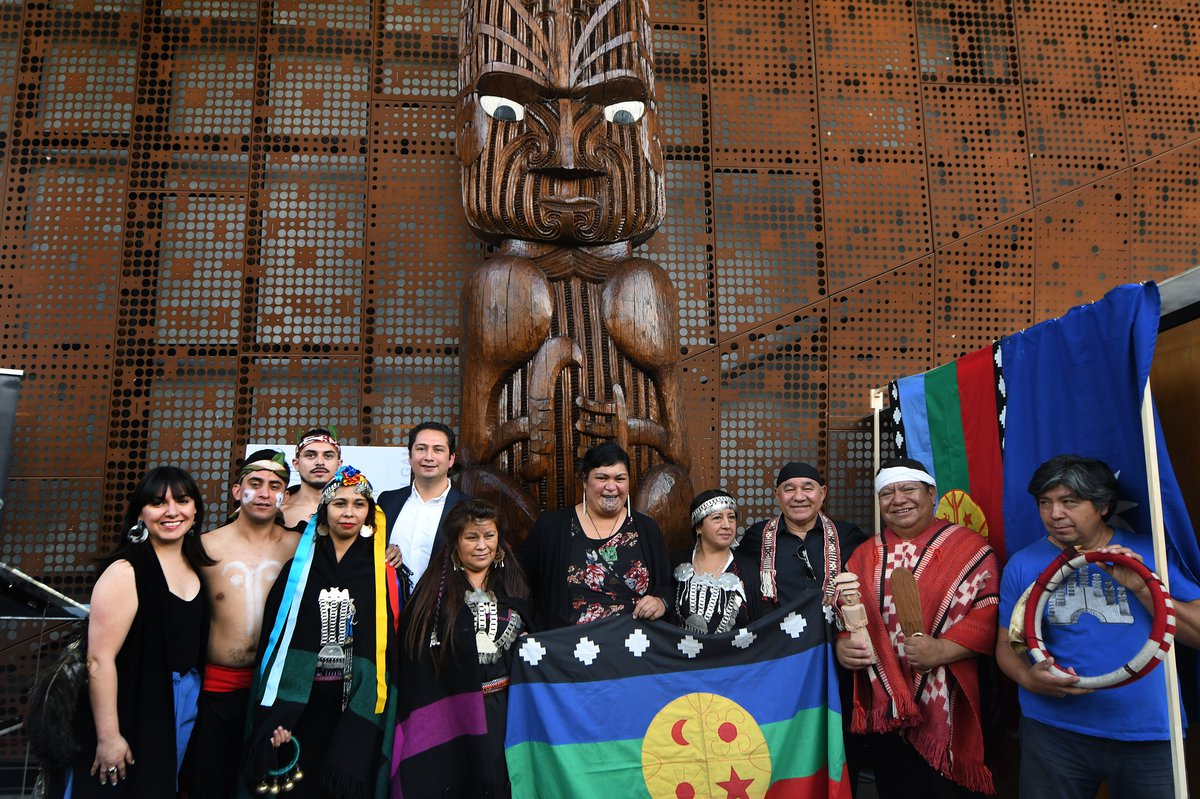
For years the sculpture was known by the name “Tekoteko”, but that was not its real name. In a traditional ceremony held in March 2019, he was baptized Ngā Morehu, which in the Maori language means “Those who remain.” A gift of Maori culture to the people of Chile as a symbol of brotherhood between two countries that are connected by the Pacific circle of fire and by Rūaumoko, the god of earthquakes, volcanoes and the seasons of the year.
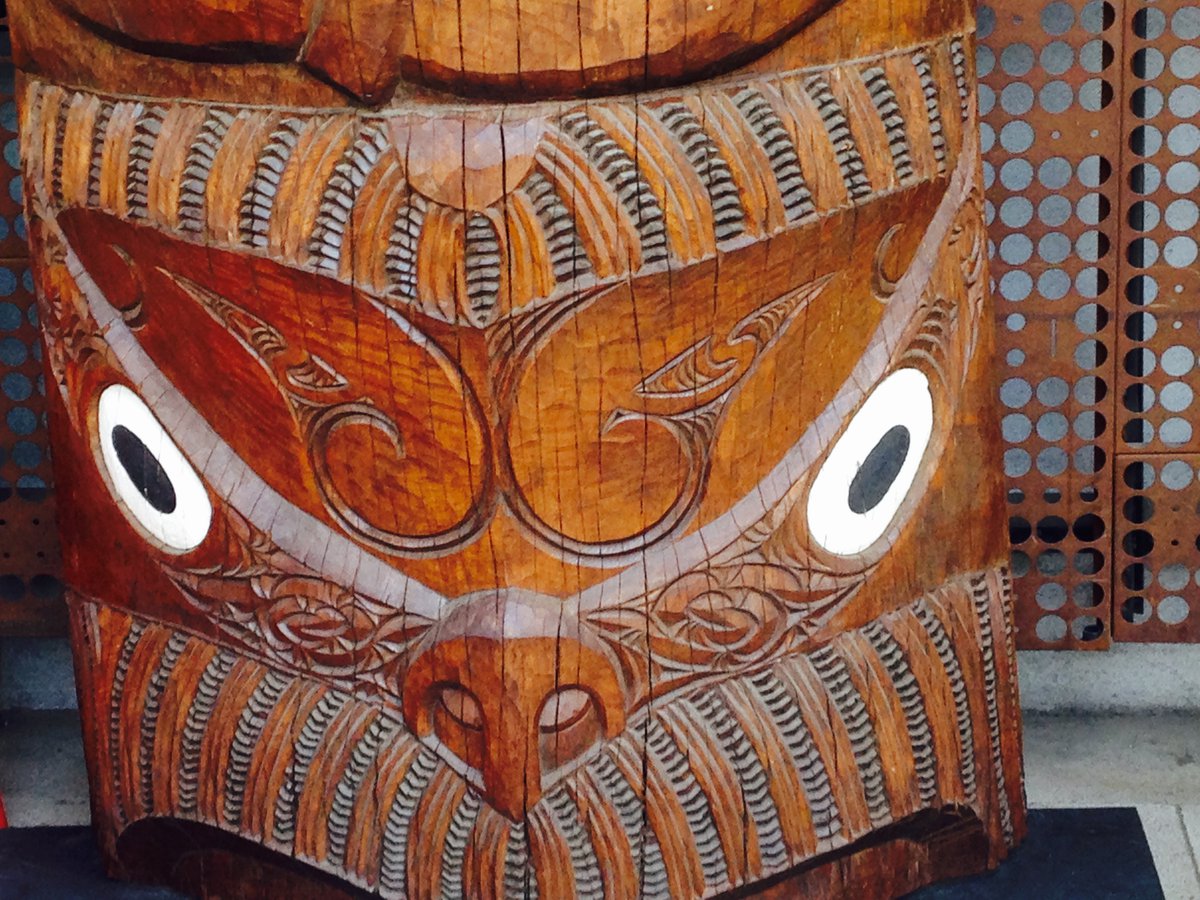
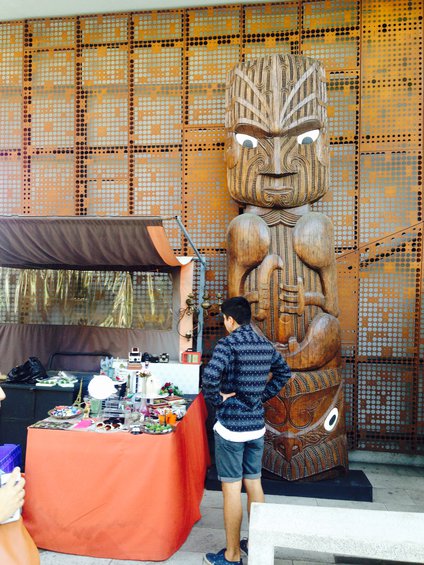
The four-meter-long totem has two ancestral designs carved into it: the Haehae and the Pakati. Both symbols allude to mourning, evoking the scars that the Maoris made to immortalize their dead and the scars that remain on the earth with the passage of earthquakes.
About the work
The totem is tall to symbolize the length of Chile. It was carved thinking about the history of GAM and the Chilean indigenous peoples, which is where its name comes from.
On the one hand, the scars from the carving represent the wounds left by the violation of human rights during the dictatorship. On the other hand, they represent the Maori tradition of tattoos and marks to immortalize the dead.
Ngā Morehu has two figures. One is complete and the other emerges from the earth, representing the constant cycle of life. Her legs are dancing to commemorate Latin American dances and the Maori war dance, which celebrates the sunrise and collective awakening in the same direction.
About the carvers
James Rickard, belonging to the Ngāti Porou and Hauauru tribes. Karaitiana Rurehe, belonging to the Ngāi Tūhoe tribe.
About the exhibition
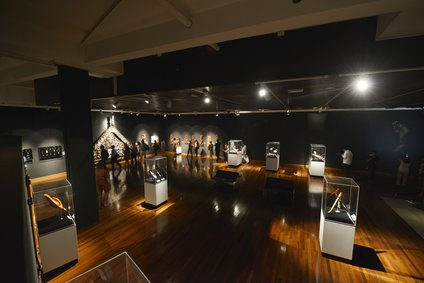
Tuku Iho: Maori living legacy
The public was able to learn more about Maori art and culture through more than one hundred traditional objects.
The main objective of the exhibition was the appreciation of the original culture, and included jewelry, ceremonial weapons, treasures, textiles, sculptures and a series of carvings in wood, stone, bone and jade.
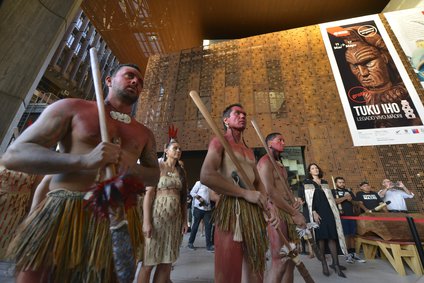
As part of the exhibition, Maori artists carried out various activities in public spaces, such as the Kapa Haka group dancing and singing, “Ta moko” sessions, or Maori tattoo, and this wooden totem.