


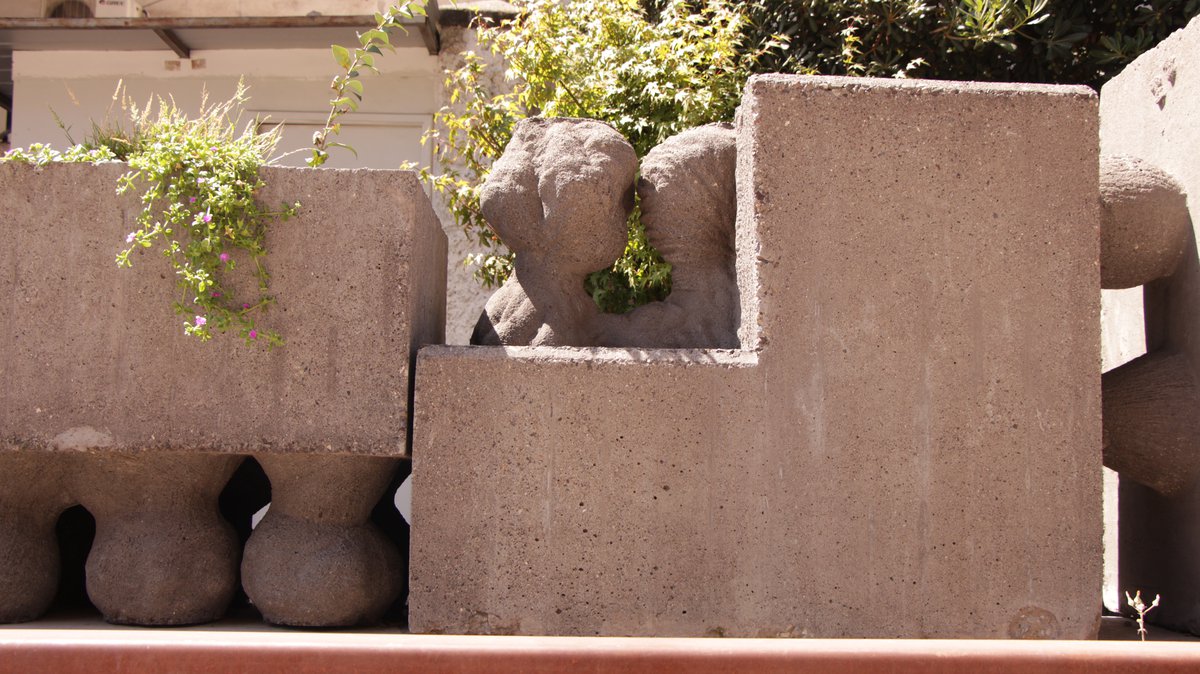
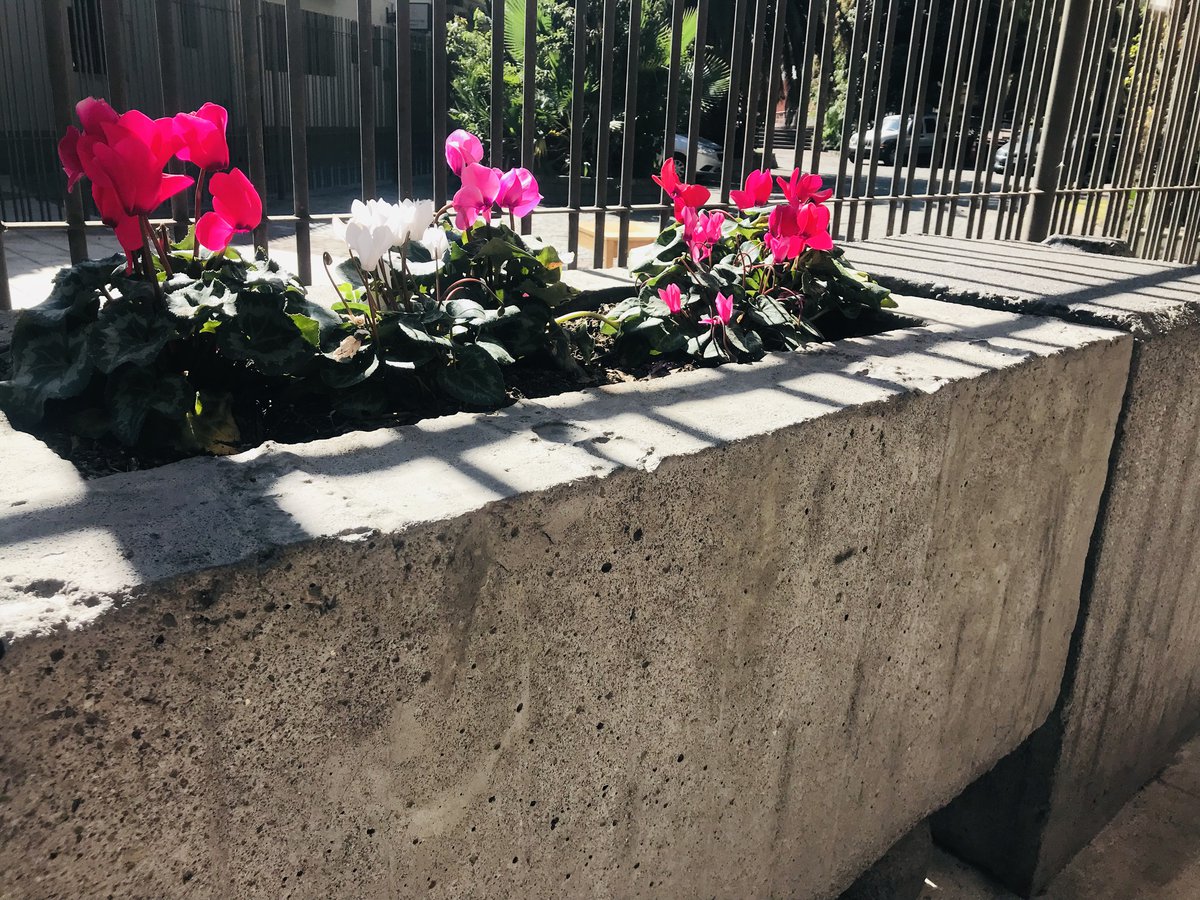
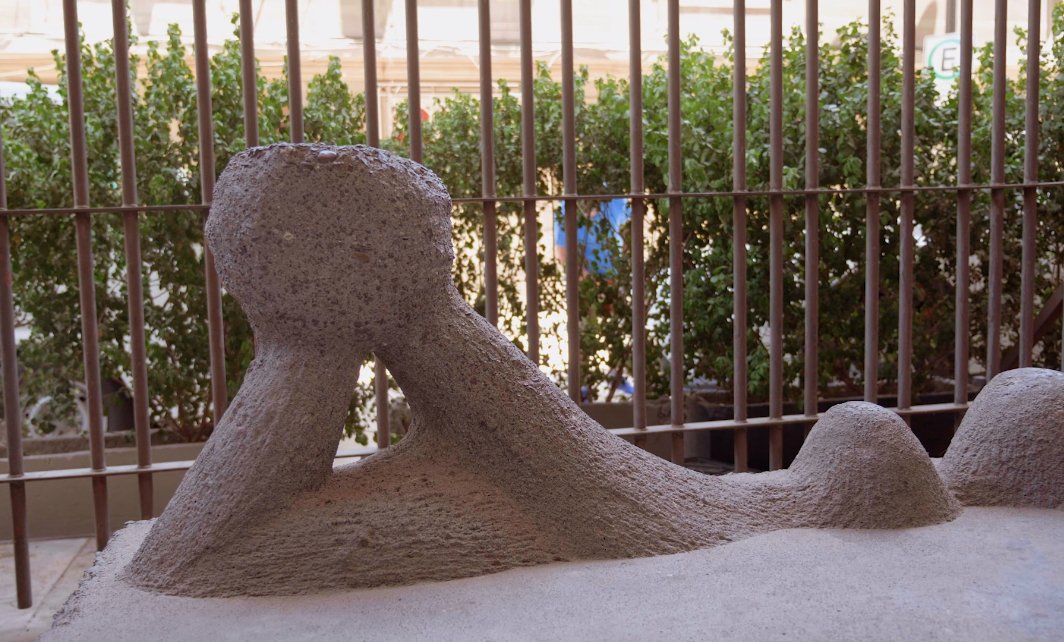
Untitled (planters and benches)
Ricardo Yrarrázaval
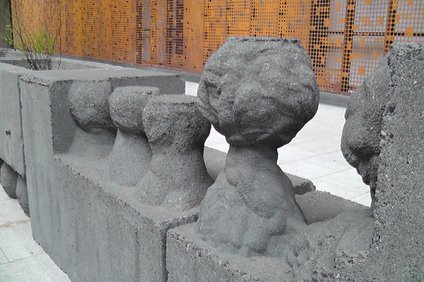
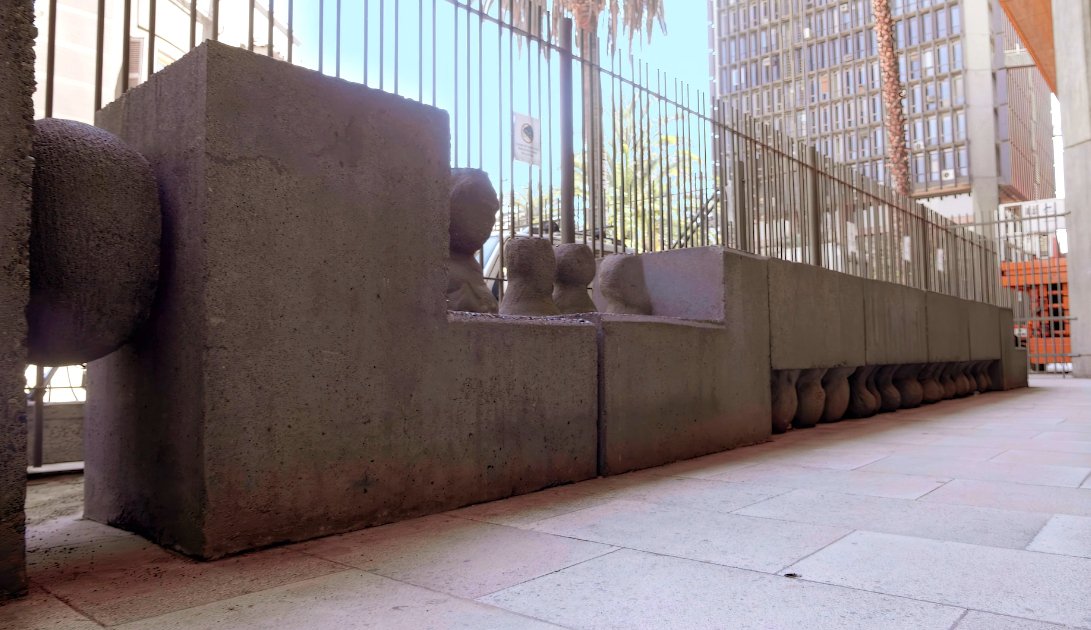
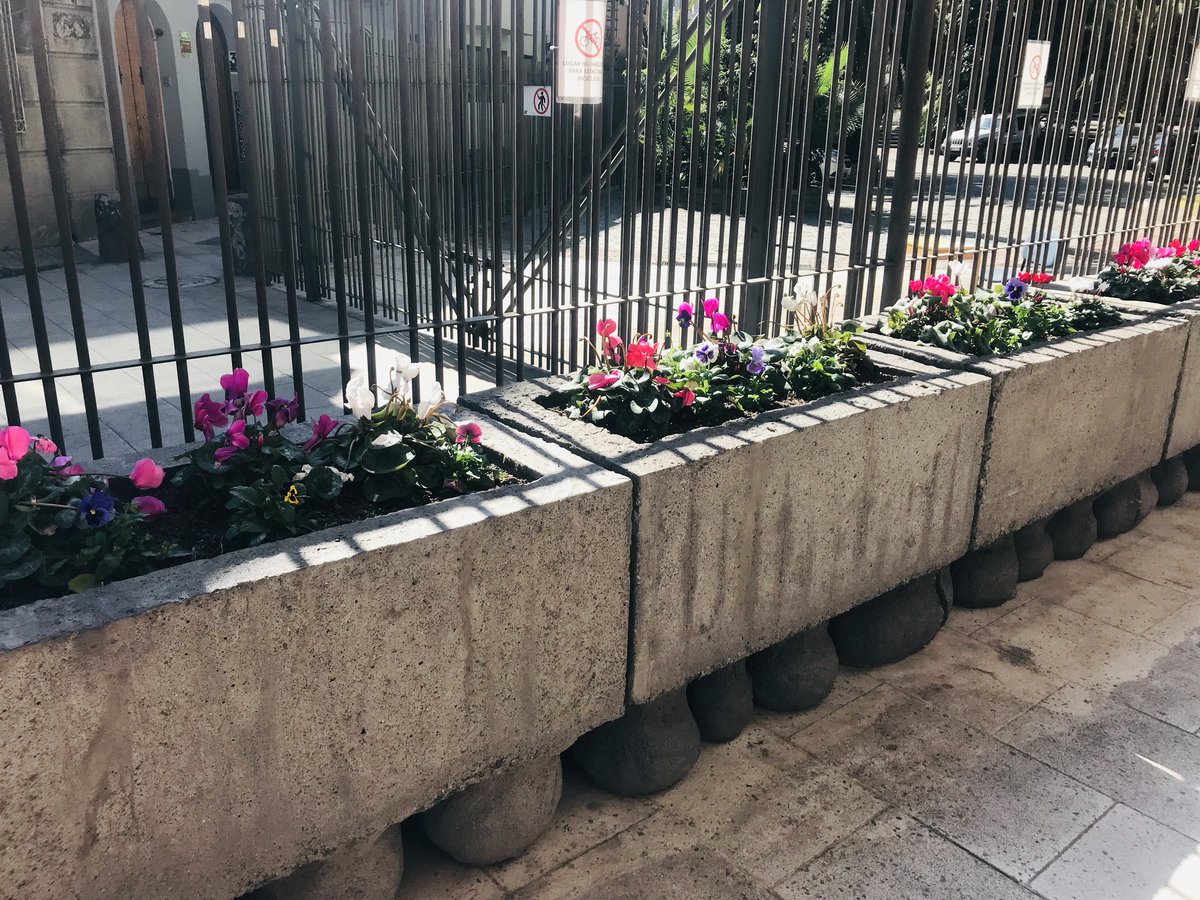
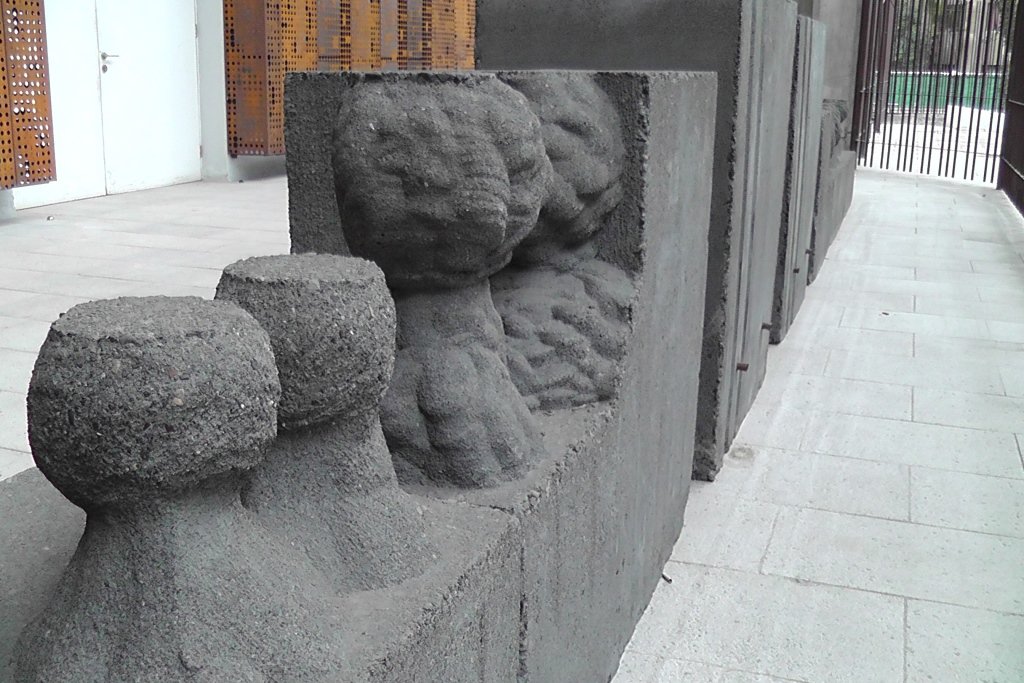
Sin título (jardineras y bancos)
Hormigón, 1972
The human figure is a constant in the work of Ricardo Yrarrázaval who, since the seventies, has worked on the idea of the urban man and the mass man who is immersed in his loneliness.
The series of planters he created for the UNCTAD III building diversifies his creative production towards functional art objects that are incorporated into the space where they are located.

Amador Ricardo Yrarrázaval Larraín
(Santiago, 1931).
Painter
In Santiago he studied ceramics with the masters André Racz, Claudio di Girólamo and Raúl Valdivieso.
In 1952, at the age of twenty, he traveled to Europe where he took drawing and painting courses at the School of Fine Arts in Rome and at the Julien Academy in Paris in 1953. Successive trips allowed him to discover and learn about contemporary plastic movements.
He returned to Chile dedicating himself to painting and ceramics. In 1957 he traveled to Europe where he worked on ceramics in Vallauris, France, and on Painting in London under the direction of John Duguid.
In 1966, thanks to the Guggenhein Fellowship, he worked in New York for a year.
For years he dedicated himself mainly to the creation of enameled ceramic objects. Painting, drawing and pastel emerged in a more definitive form after a trip through South American countries. The vastness of the Bolivian desert sparked his interest in reflecting sensations and human presence in the wide space of the canvas.
In the beginning he opted for abstract painting and stood out for his use of color and composition. Later, the human figure became a constant in his work, anticipating early, at the end of the 1960s, the approach to a social phenomenon that would characterize subsequent decades, the urban man, owner of power but living in isolation.
In the 1990s, Yrarrázaval abandoned color and brushes to dedicate himself to lithography. In later years his artistic career was affected by the medical imposition of not painting due to allergic problems that afflicted him, but the artist knew how to overcome it and demonstrated his versatile talent with the help of the new plastic possibilities offered by modern technological advances. In 1999 he exhibited to the public his first series of works achieved through digital Photoshop techniques, an exhibition in which he maintains figuration and high quality work.