


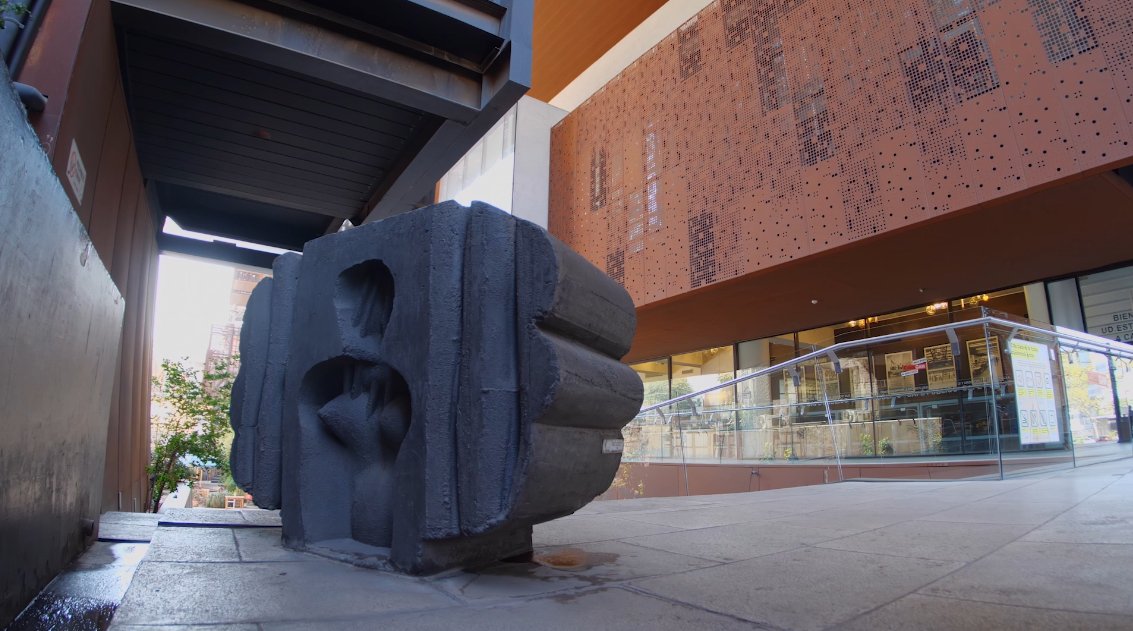
Untitled (water troughs)
Luis Mandiola
Hormigón, 1972
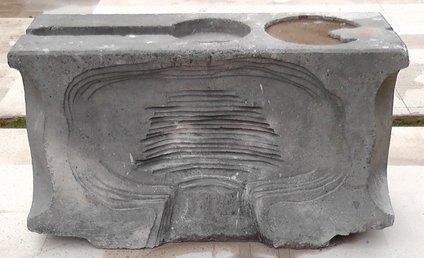
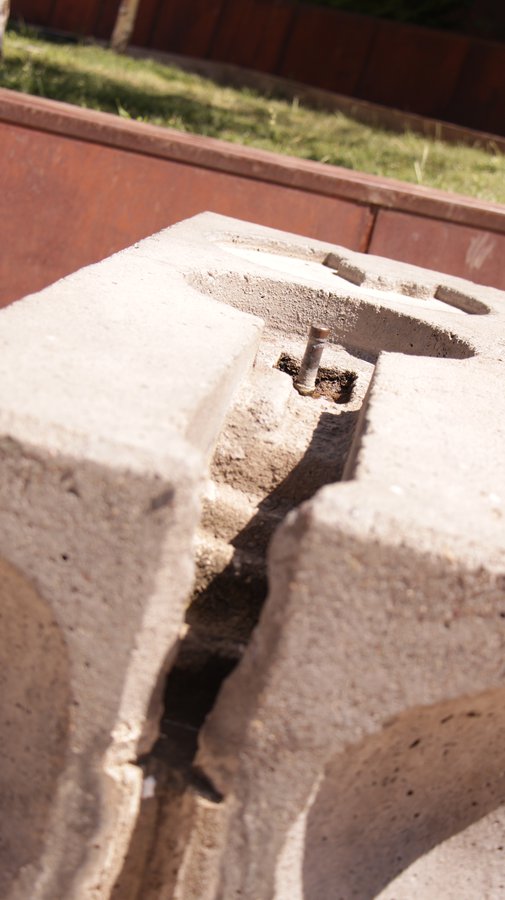
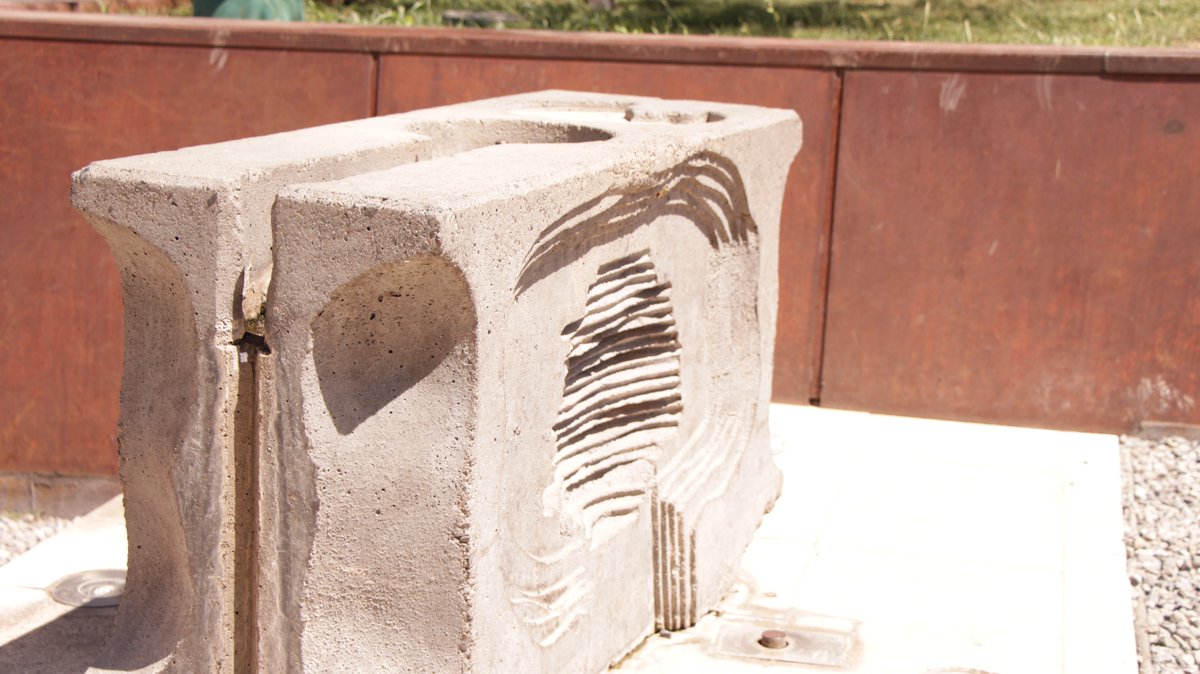
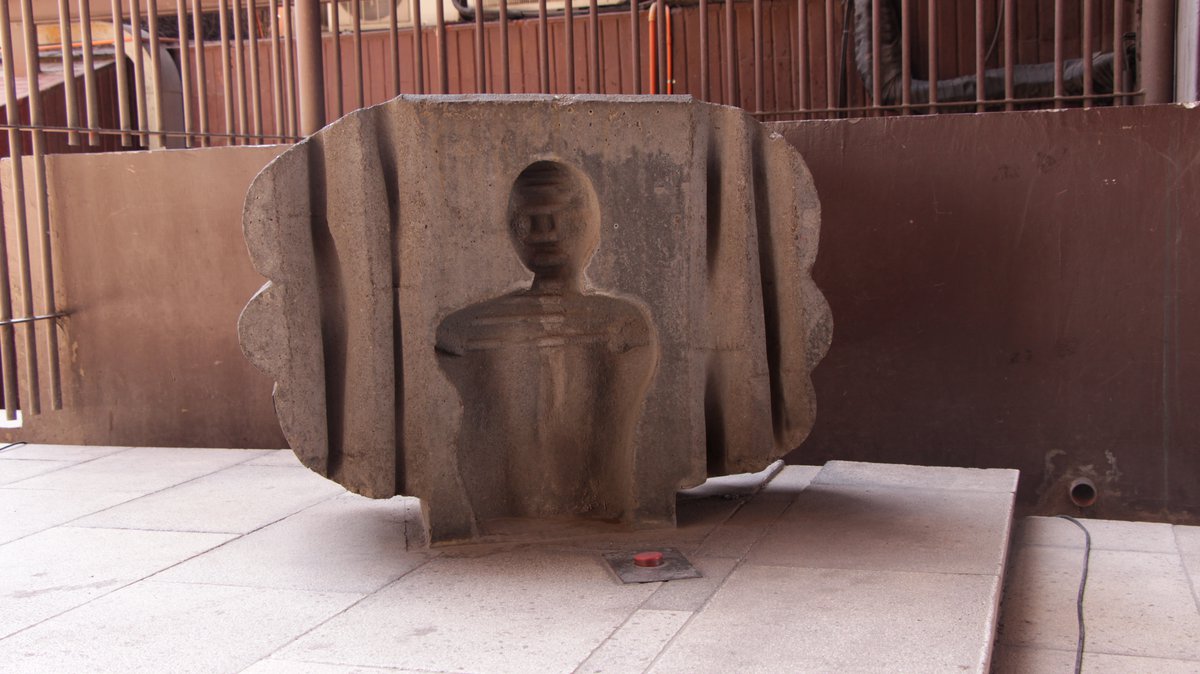
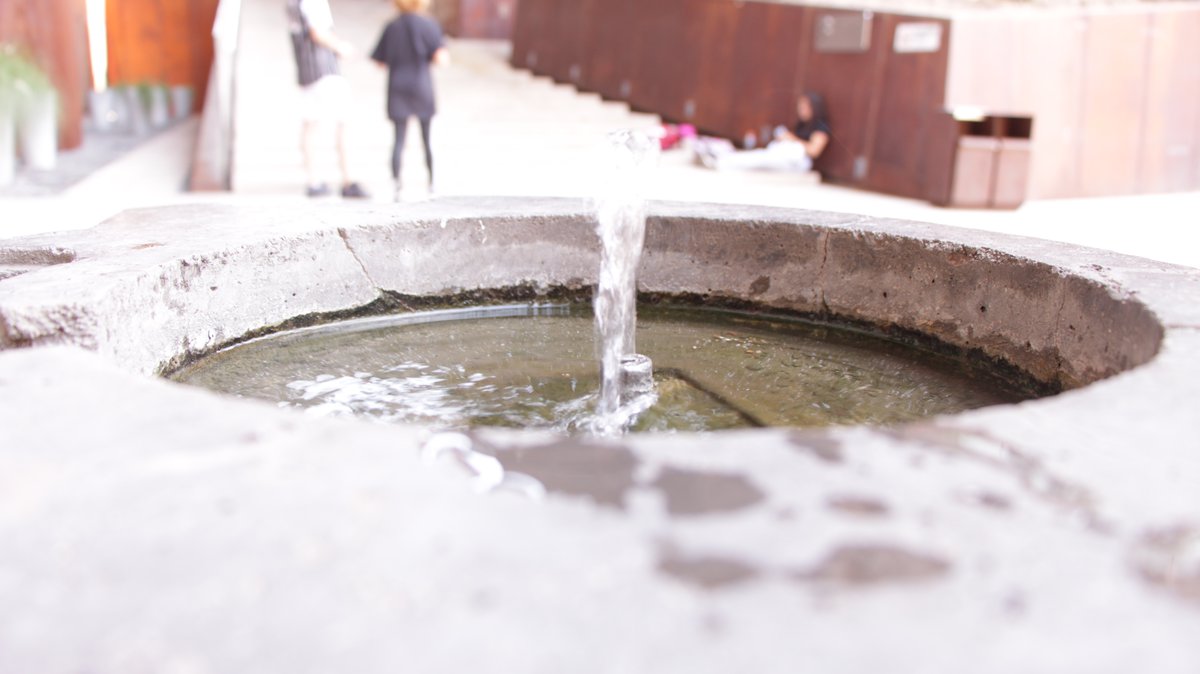
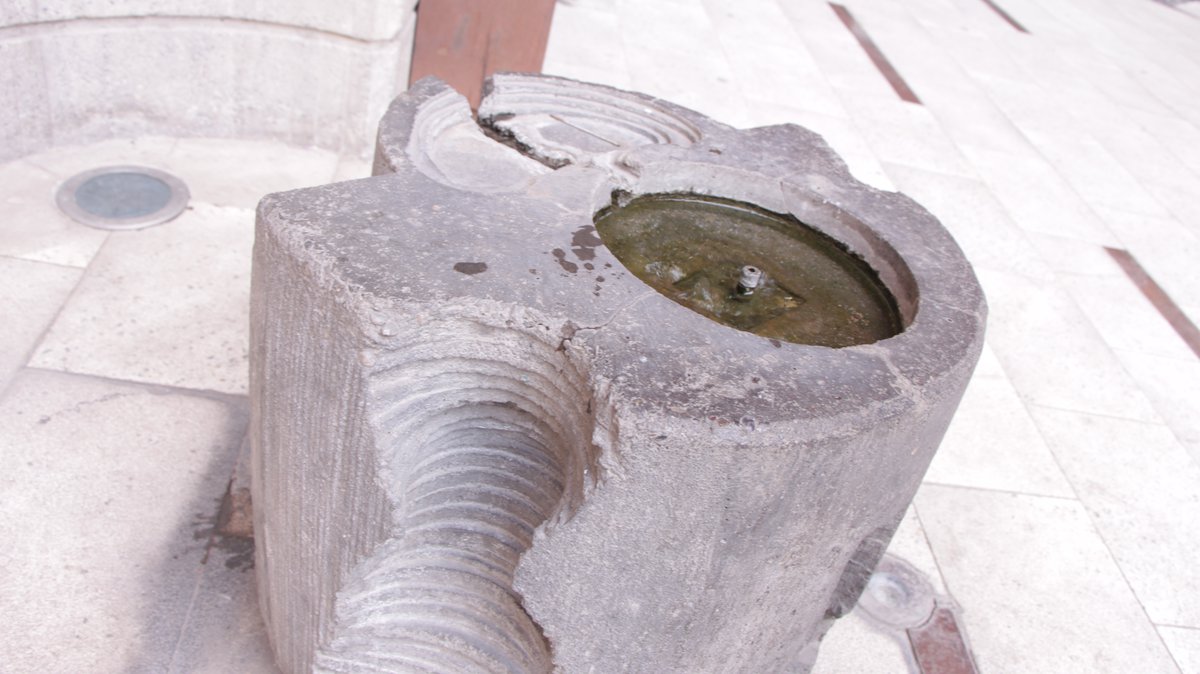
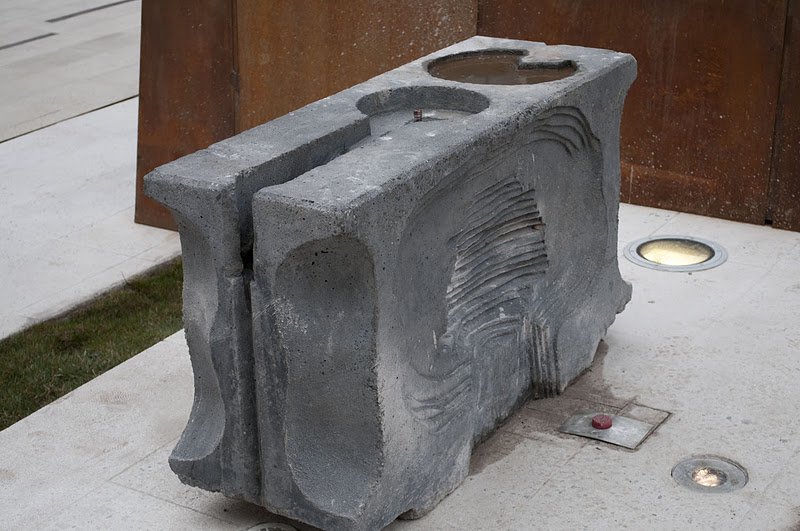
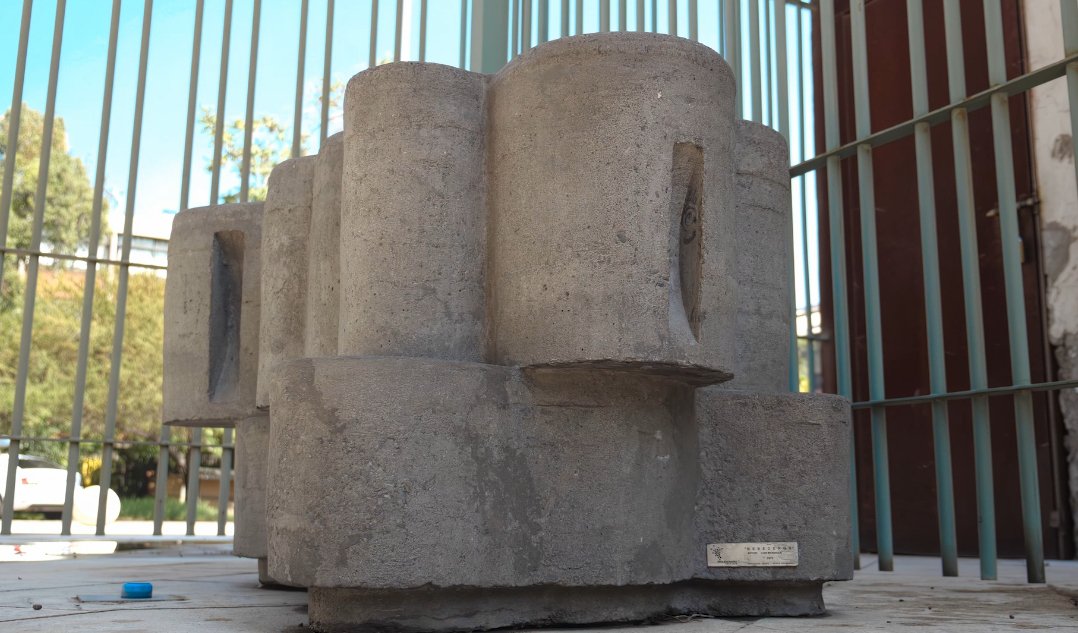
This series of drinking fountains is located in the open spaces of the center and is another of the works of functional art specially created in 1972.
Three of the water fountains continue to serve their original function for visitors.
Luis Mandiola Uribe
(Santiago, 1934).
Sculptor, painter and engraver
He entered the School of Fine Arts of the University of Chile in 1957. He was a student of Jorge Caballero and later, he served as his assistant in the painting department.
He began as a ceramics professor at the Department of Applied Arts of the Faculty of Fine Arts of the University of Chile and later as a sculpture professor at the same institution.
A multifaceted artist, he remains interested in venturing into non-traditional artistic disciplines. In 1955, being a painter and draftsman, he began to work and experiment with various ceramic techniques, later he trained in engraving techniques at Taller 99 and around 1973, he continued with sculpture.
With a great predilection for clay and modeling, his extensive production of ceramic pieces stands out. He surprised people in the late 1980s by using a combination of resin and fiberglass for his sculptures, an unknown material that he masterfully modeled, obtaining effects of smoothness, brilliance and delicacy in the shape of large human heads.
In the execution of volume works, Mandiola reveals the strong influence that graphics exert on him, a trait that has persisted in later sculptures achieved in materials as diverse as painted wood, assembled wood, stone and polychrome iron. He has expressed his intention to downplay the importance of the material in favor of the forms. His sculptures frequently present inscriptions or graphics that recall their origin from drawing.
Different periods in his figuration show a hieraticism in his essential features, which would be a reflection of the author's constant concern for man and his feelings of loneliness and anguish. In some compositions of men and women mounted on horses, it denotes his interest in refinement and monumentality inspired by epic scenes.