


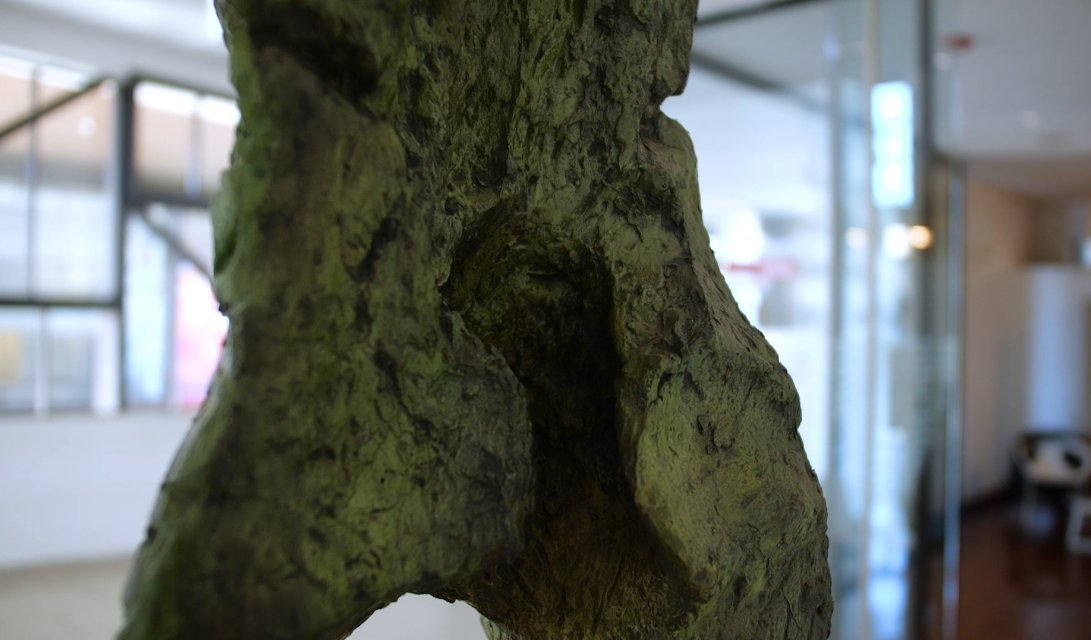
The torso of victory
Sergio Mallol
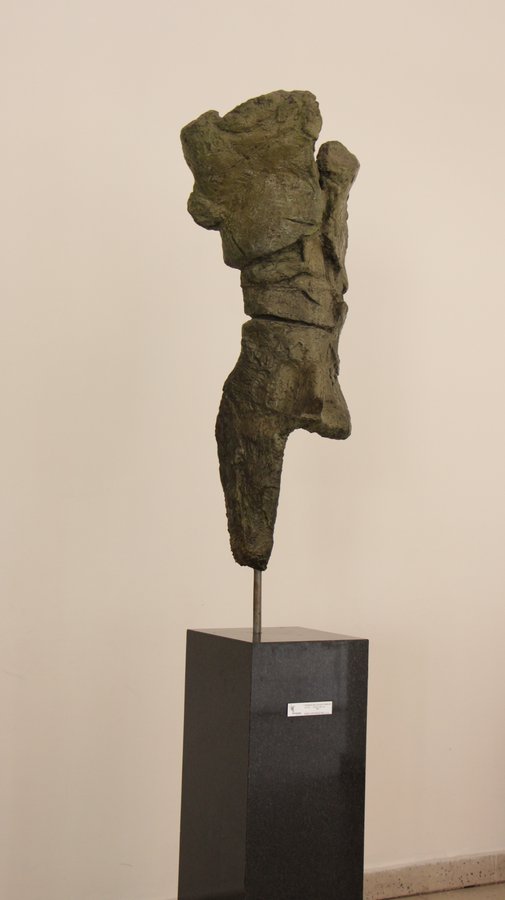
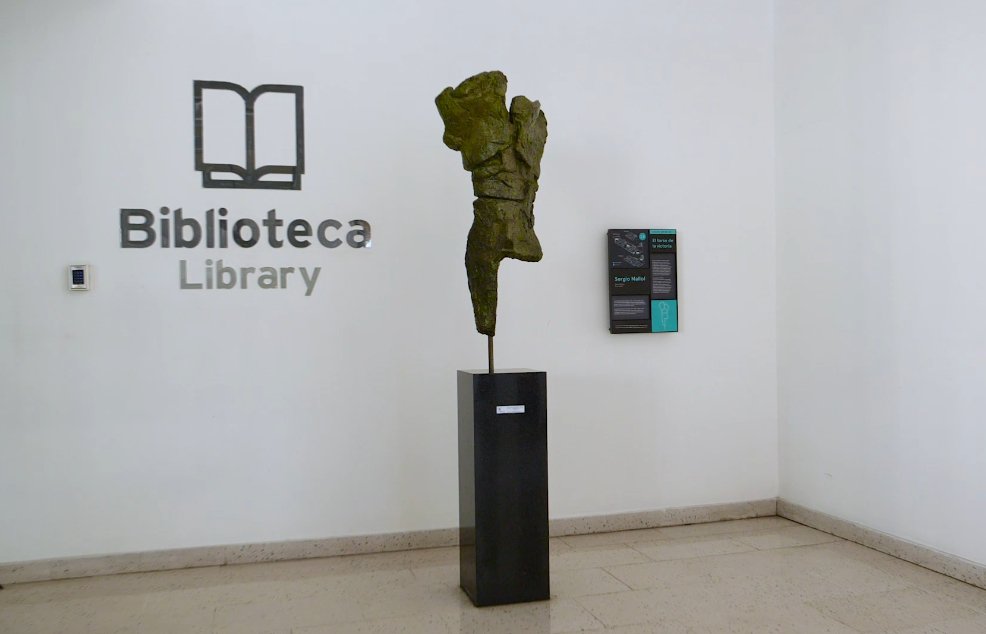
El torso de la victoria
Bronce, 1972
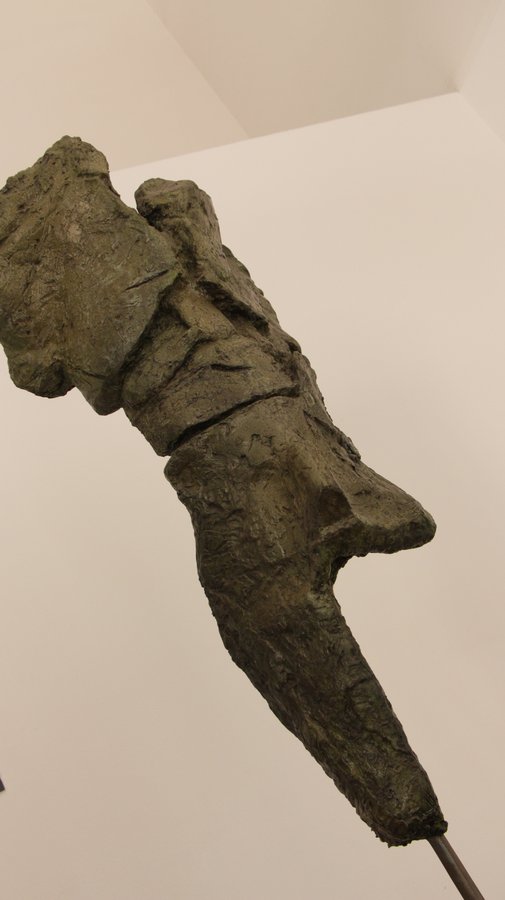
In Mallol's work the human figure is the protagonist. The traits of expressionism, in accordance with the dramas of human beings reflected in his sculptures, are achieved through the way in which the material is worked.
The Torso of Victory was the artist's last work before he died in April 1973.
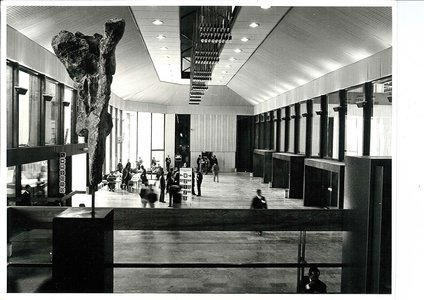
original location
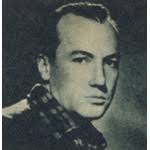
Sergio Mallol Pemjean
(Santiago, 1922 - 1973).
Sculptor
After studying architecture for two years at the Catholic University of Chile around 1941, he entered the evening courses at the School of Fine Arts of the University of Chile where he was a student of Julio Antonio Vásquez and later assistant to the sculptor Lily Garáfulic in the definitive subjects course and assistant professor of ceramics. Already at the age of 22 he was considered the most gifted artist of his promotion. He is placed within the Generation of the Fifties.
Around 1951 he carried out a study on Mayan sculpture in Guatemala. In 1954 he traveled to England on a scholarship, where he perfected his sculpture studies at the Slade School of Fine Arts in London. In 1955 he was commissioned by the University of Chile to study the organization of sculpture workshops in England and Italy. In London he discovered the work of Henry Moore and Barbara Hepworth.
He returned to Chile in 1956, continuing his teaching work at the Faculty of Fine Arts of the University of Chile where he was manager of the construction of the first foundry workshop around 1966.
In 1972 he was secretary of the Faculty of Fine Arts of the University of Chile and that same year he won the competition to execute a monument to Cardinal Caro, whose model was never made.
In his sculptural work, the human figure worked in small format gains relevance. He resorted to traditional materials and techniques such as stone, marble and bronze casting. His predilection for synthesis and simplicity led him to execute pieces with an abstract tendency and great formal rigor in which the neatness of the surfaces and the suggestion of a deep and dramatic human content prevail.
In the period before his early and tragic death in 1973, Mallol made sculptures of marked expressionism, which was reflected in a more aggressive treatment of surfaces and the emotional charge of his themes.