

History
An important part of Chile's recent history is contained in the GAM building. Its successive phases are symbolic of the social and political changes in the country. Repairing and valuing the national memory are part of the refoundation of the center, a historical milestone of Santiago.
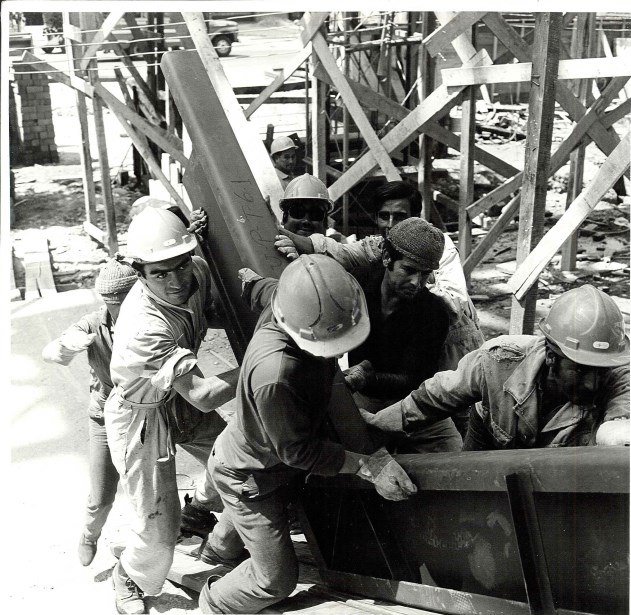
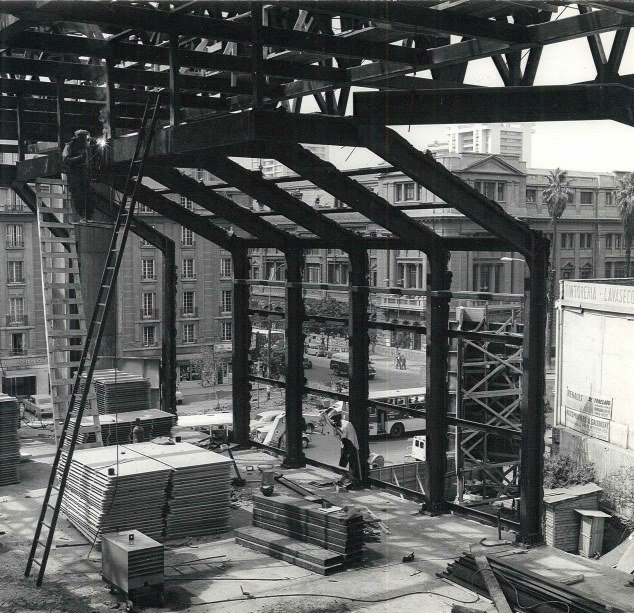
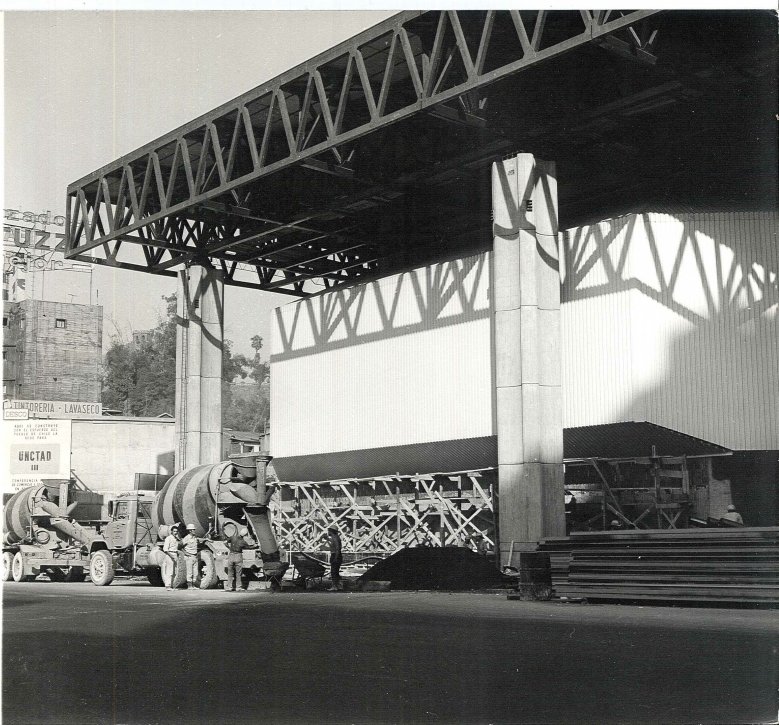
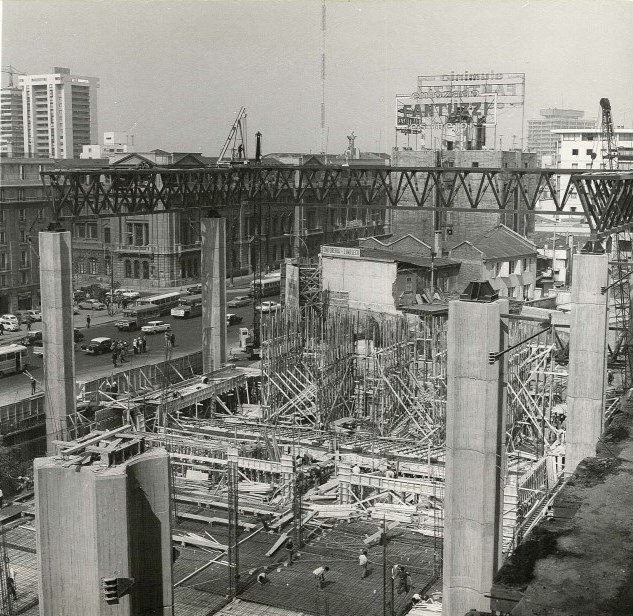
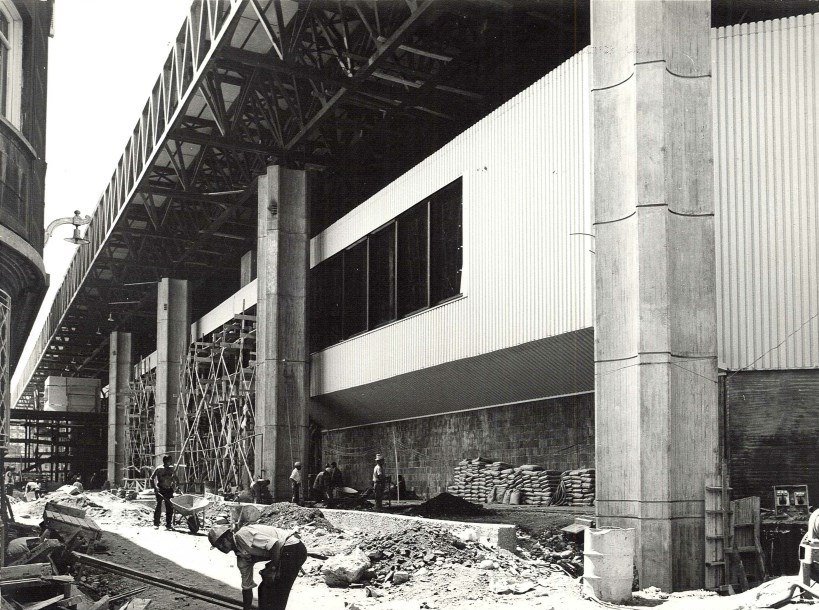
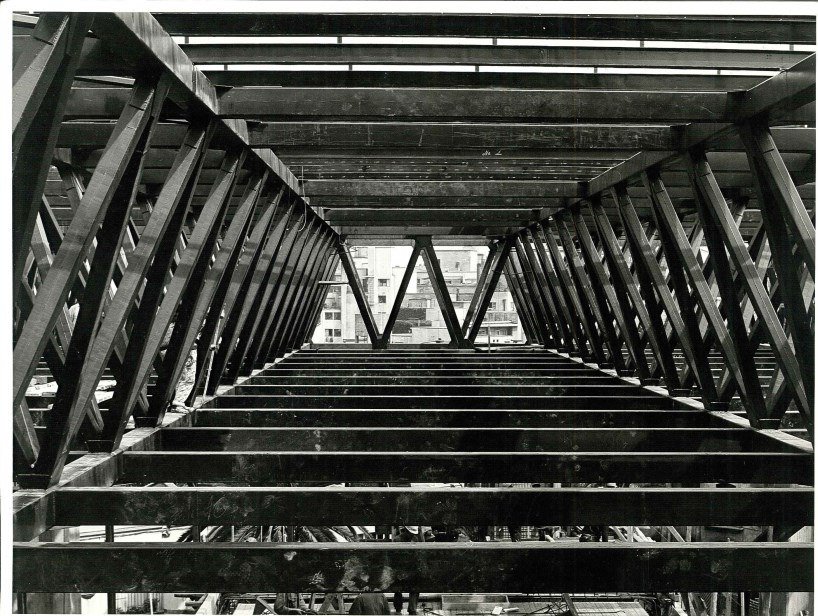
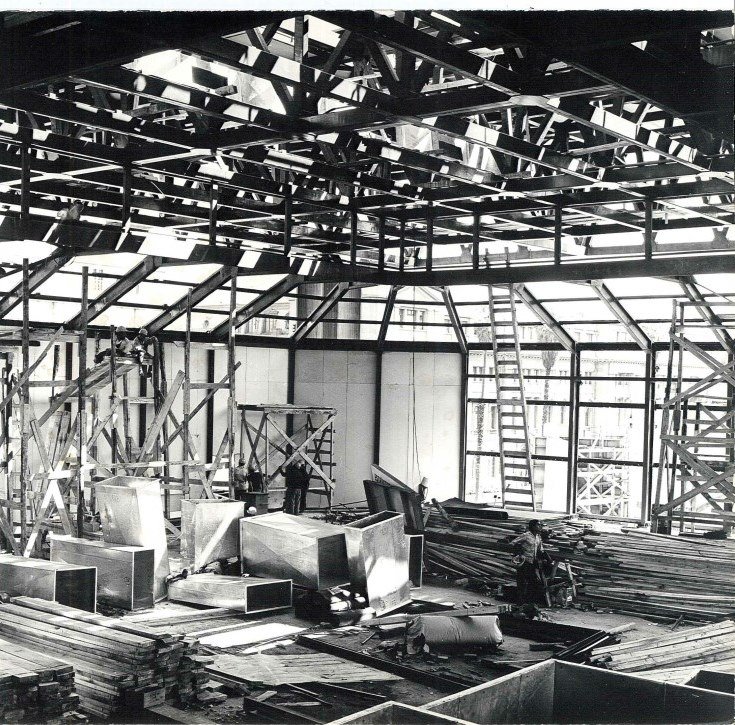
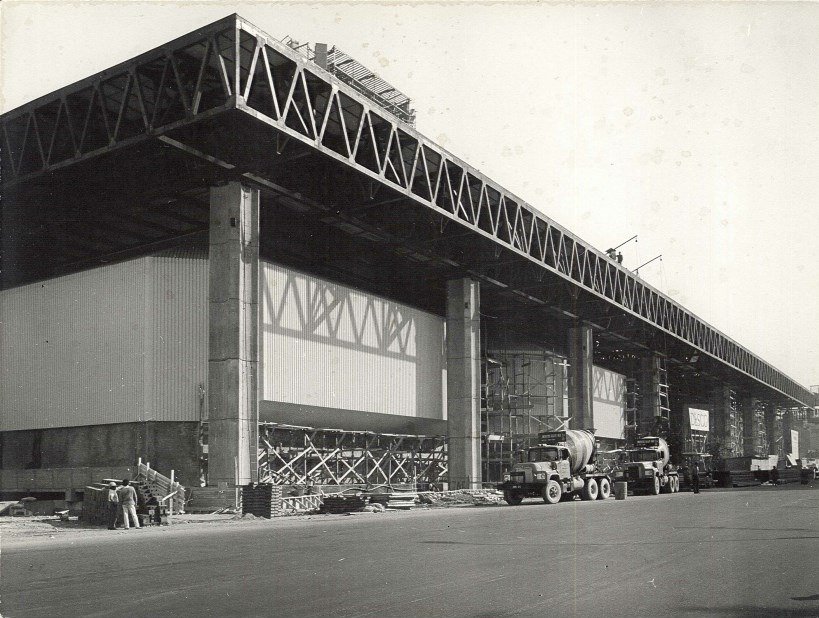
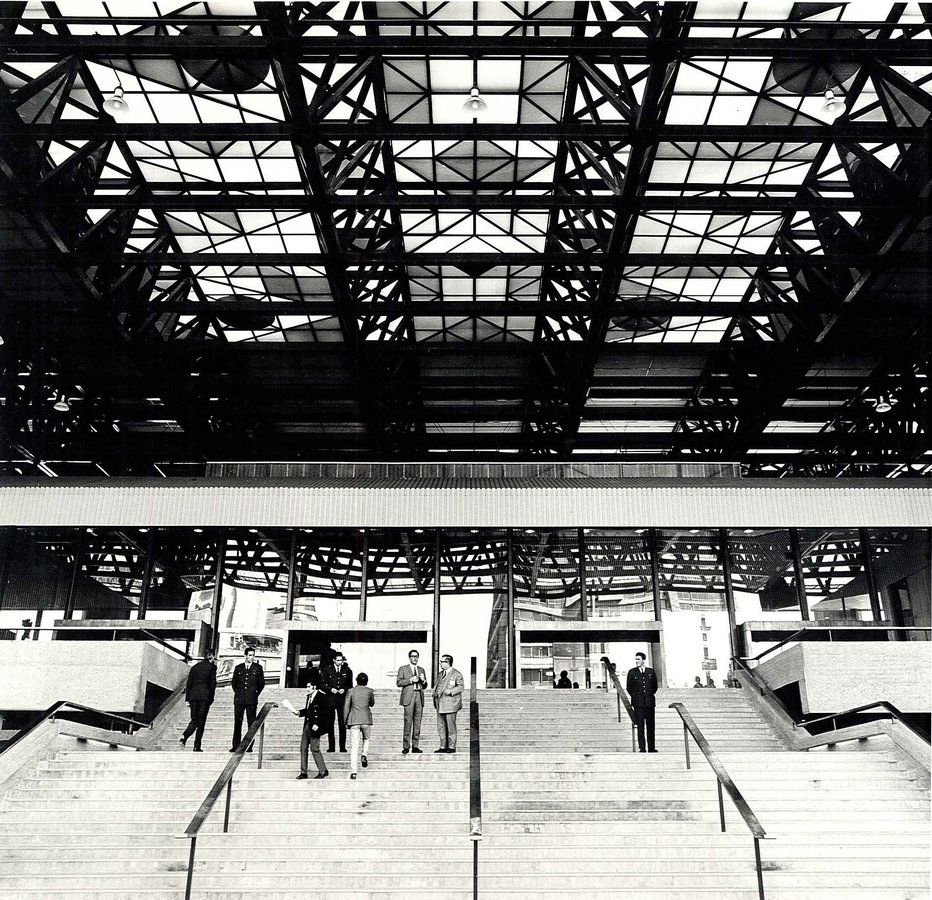
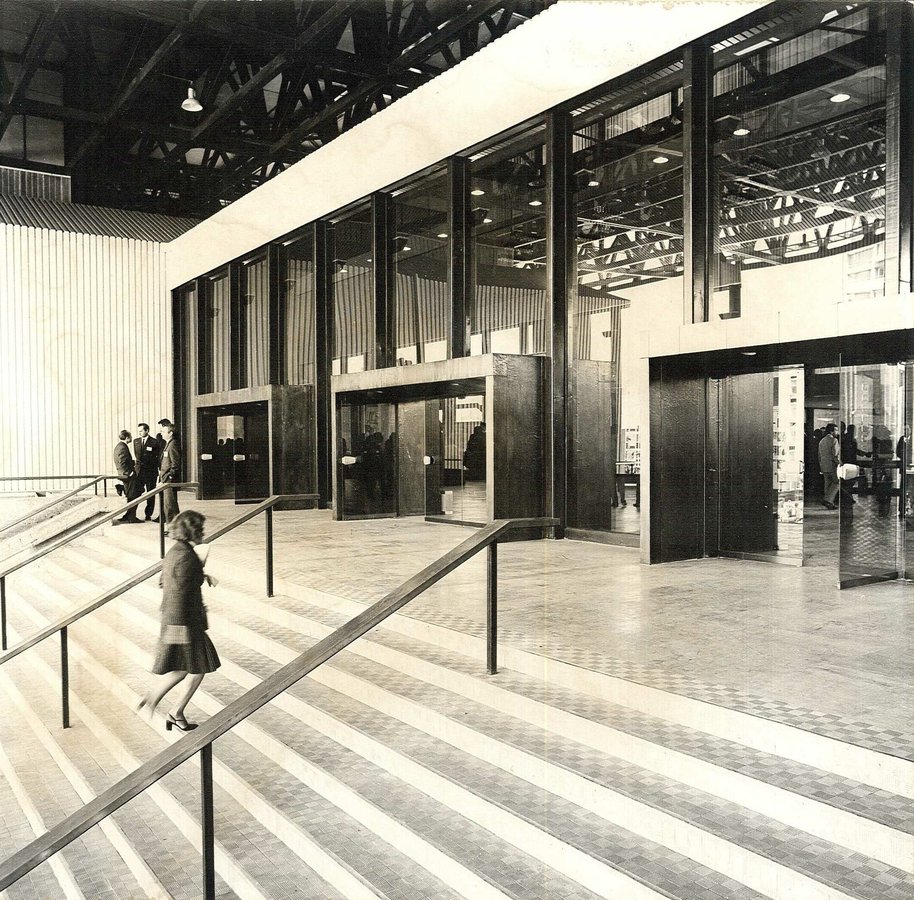
It is located in a historic building in the center of Santiago that was inaugurated in 1972 as the headquarters for the Third United Nations World Conference on Trade and Development, UNCTAD III, where how to overcome poverty was discussed. It was built under the government of Salvador Allende, in a record time of 275 days. It was a Latin American milestone of architectural modernity and constructivist utopia. Citizens participated widely in its design and construction, who later used it as a cultural meeting point under the name Centro Cultural Metropolitano Gabriela Mistral.
After the coup d'état in September 1973, the military junta closed the place and transformed it into its operations center under the name Edificio Diego Portales. With the return to democracy, in 1989, the space became a venue for congresses and meetings; the rear tower housed the Ministry of Defense.
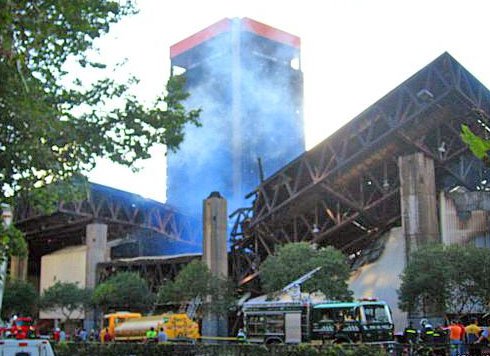
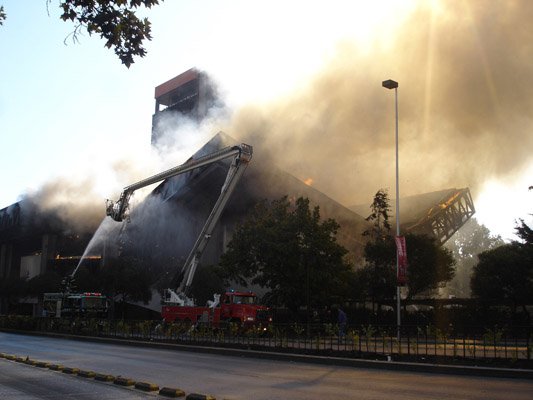
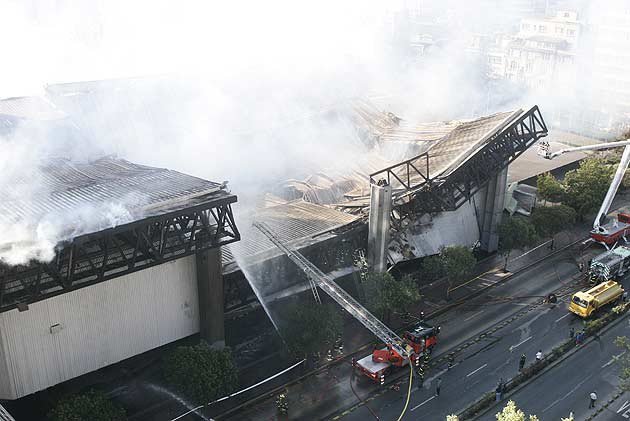
At the beginning of 2006, a fire destroyed part of the construction, prompting Michelle Bachelet's government to reconsider its original meaning and return it to the citizens. It was rebuilt with 22 thousand square meters that integrate transparency and openness to the city. It was renamed in September 2010 as Centro Cultural Gabriela Mistral, GAM, to take charge of the history of its headquarters, and project from there its relationship with citizens and its environment.
1971 - Construction
Art and Architecture Archive
Review the GAM Digital Archive that provides free access for consultation to heritage archives of public interest on UNCTAD III. It is an archival investigation focused on the years 71 and 72, which includes more than 600 documents, including press publications, photographs, official documents, models of works and audiovisual material.
1972 UNCTAD III
On April 3, 1972, the imposing building was inaugurated for the Third United Nations World Conference on Trade and Development (UNCTAD III).
It was an example of work in record time: in 275 days, the architects José Covacevic, Hugo Gaggiero, José Medina, Juan Echenique and Sergio González Espinoza coordinated a team made up of equal parts workers and volunteers, who worked shifts of up to twelve hours a day. "Chile is globally committed," President Salvador Allende exhorted the workers before the delivery deadline for the works. "It is the word of the country through its workers, technicians and businessmen, and that word has to be fulfilled."
The promise was kept, and the country applauded the effort. Three thousand delegates from 140 countries attended the conference. A stone by the sculptor Samuel Román, now missing, kept the words that marked the foundation: “This building reflects the spirit of work, the creative capacity and the effort of the people of Chile represented by its workers, its technicians, its artists and its professionals.” The phrase is engraved on the exterior stairs of GAM.
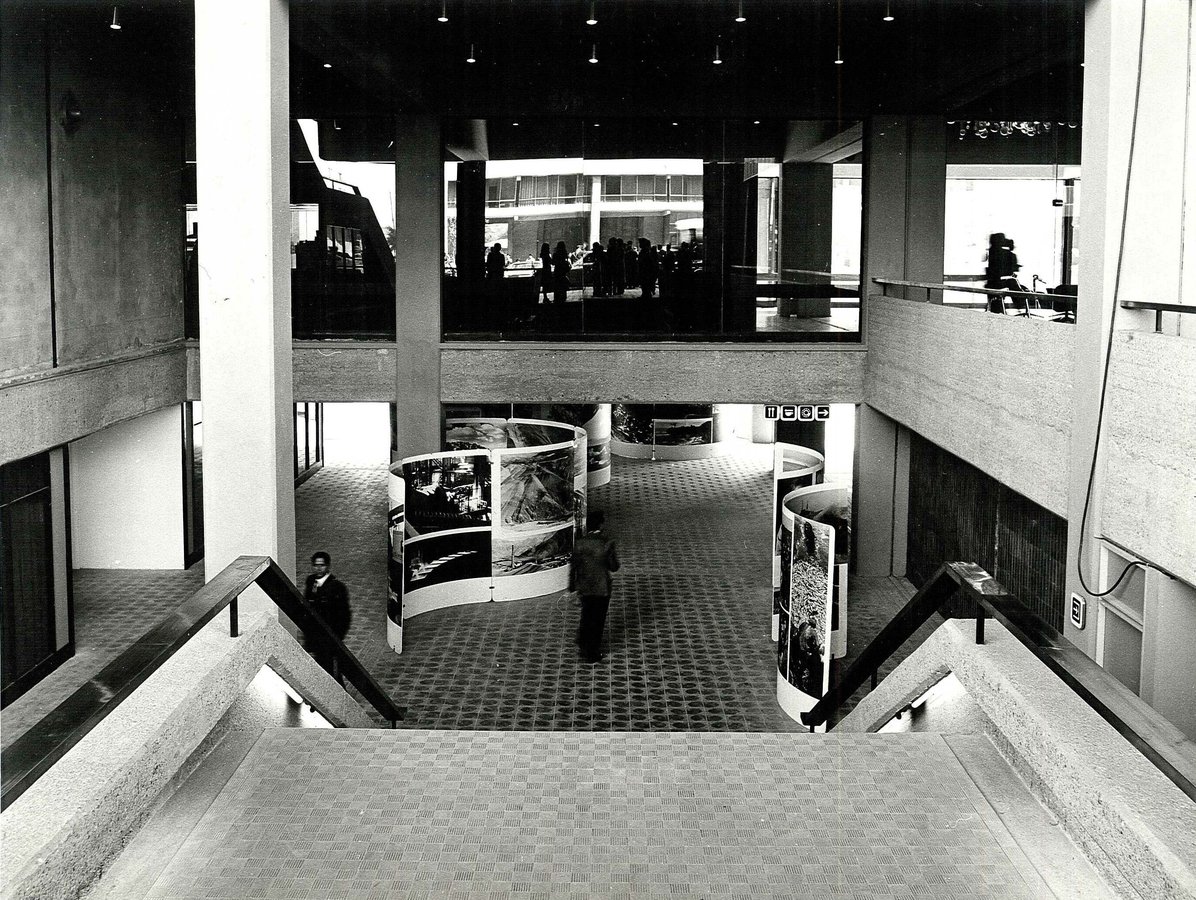
Once the meeting was over, the building became managed by the Ministry of Education under the name of the Gabriela Mistral Metropolitan Cultural Center. For just over a year, it functioned as an active citizen meeting place and cultural center.
1972 UNCTAD III
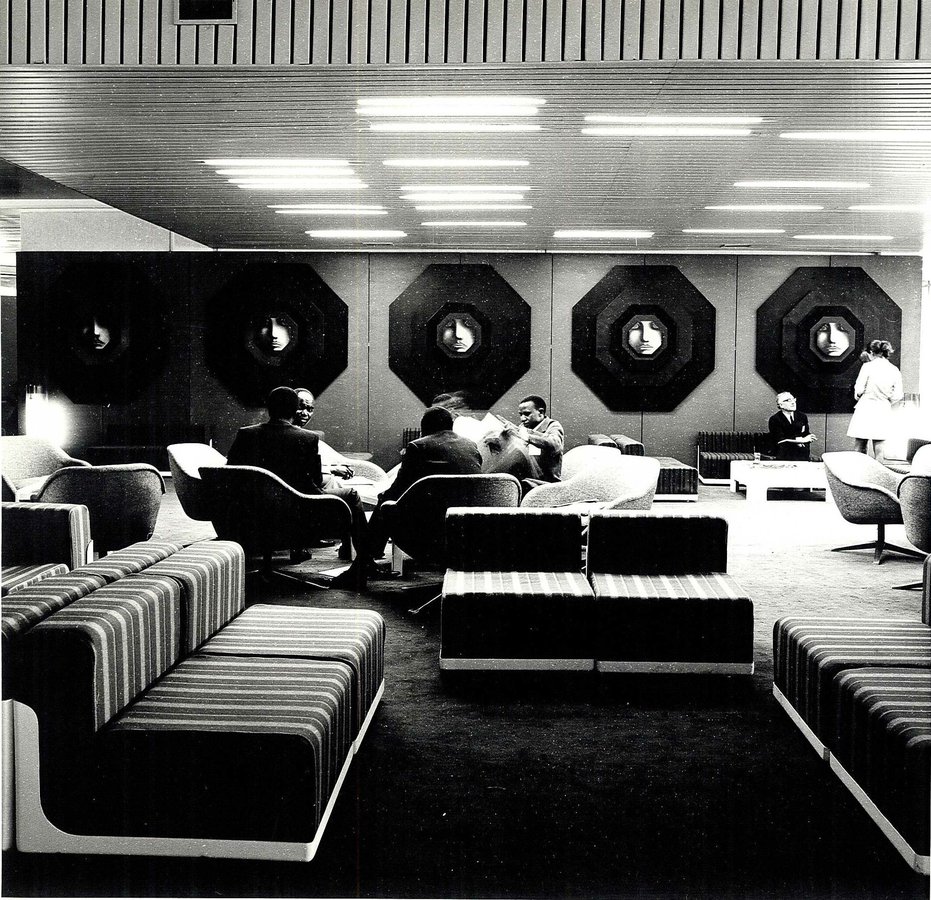
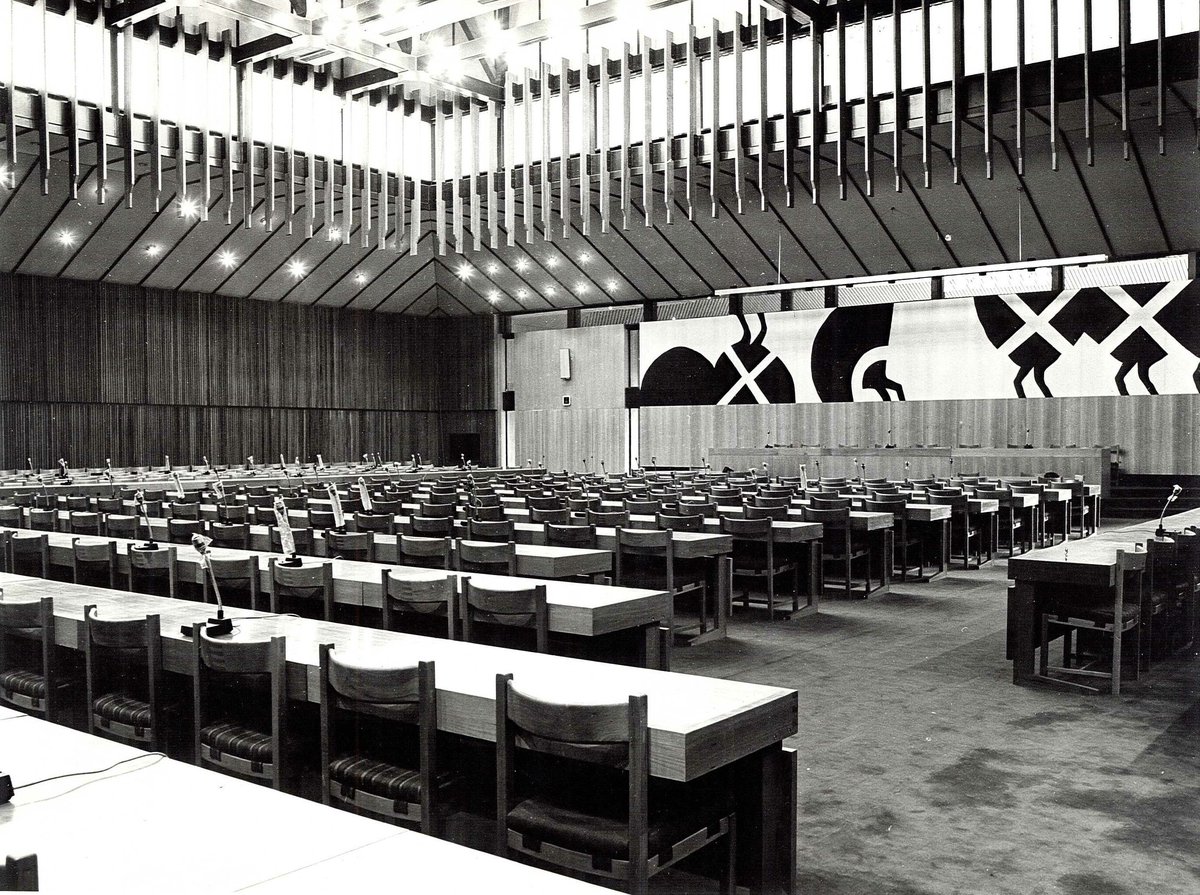
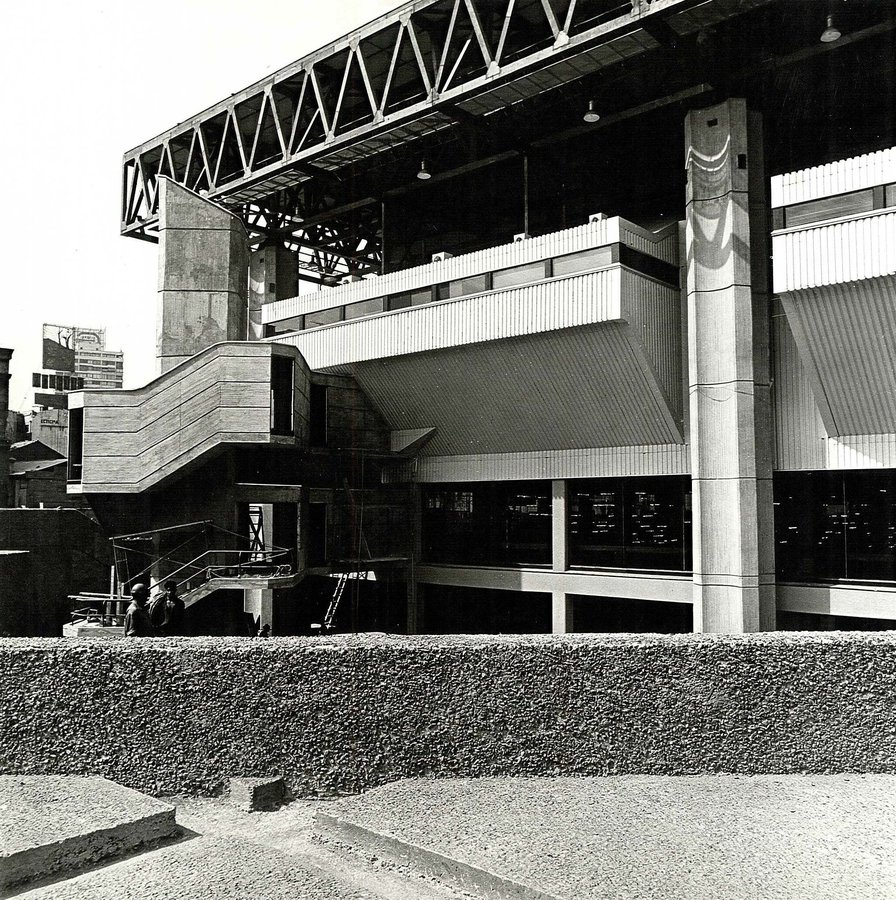
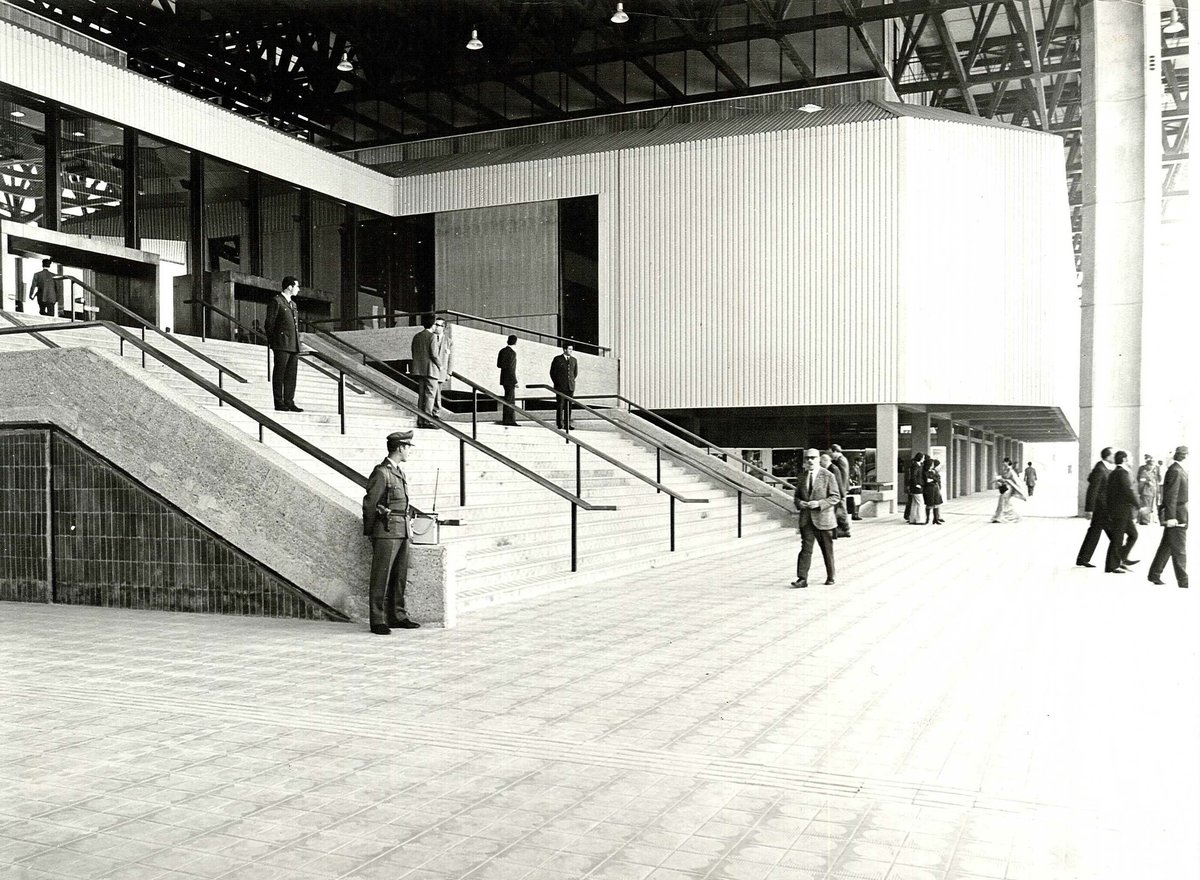
Excerpt from a documentary by Ignacio Agüero, which reconstructs its history: the tijerales of 1972, led by President Salvador Allende; the first television report inside the building about the art collection donated to the building; Augusto Pinochet's speech on September 11, 1974 in the missing Plenary Hall; the routine of the Diego Portales building under military occupation, and the fire of March 2006, which sealed the refoundation for citizens and culture of the GAM Center.
UNCTAD 360
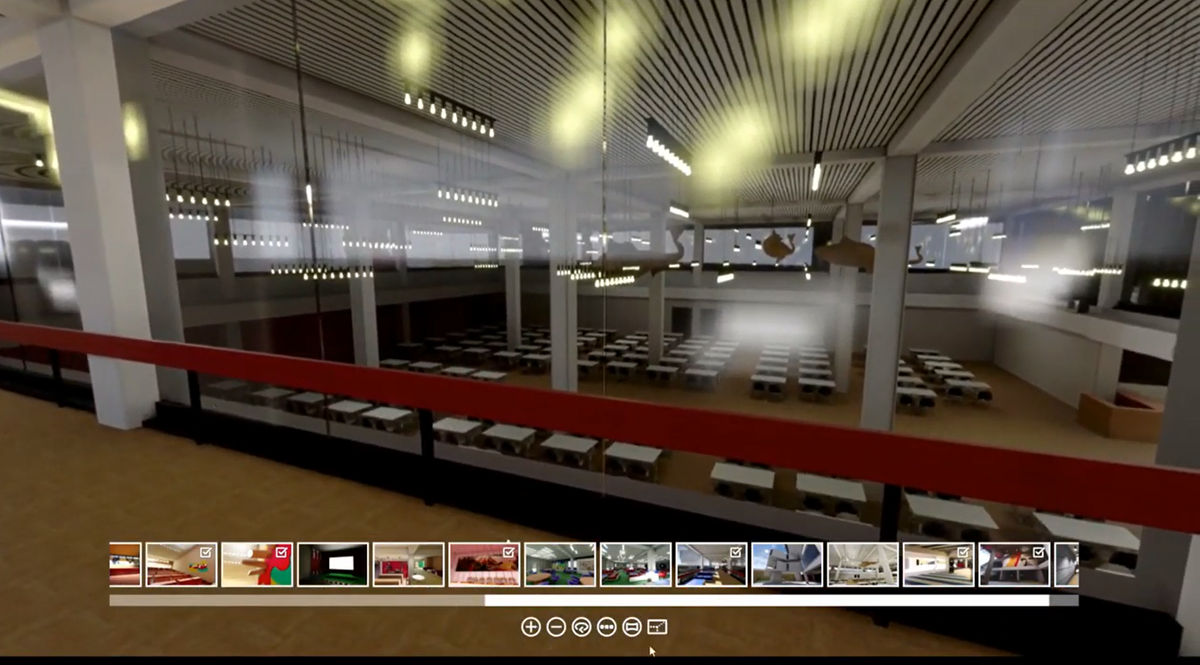
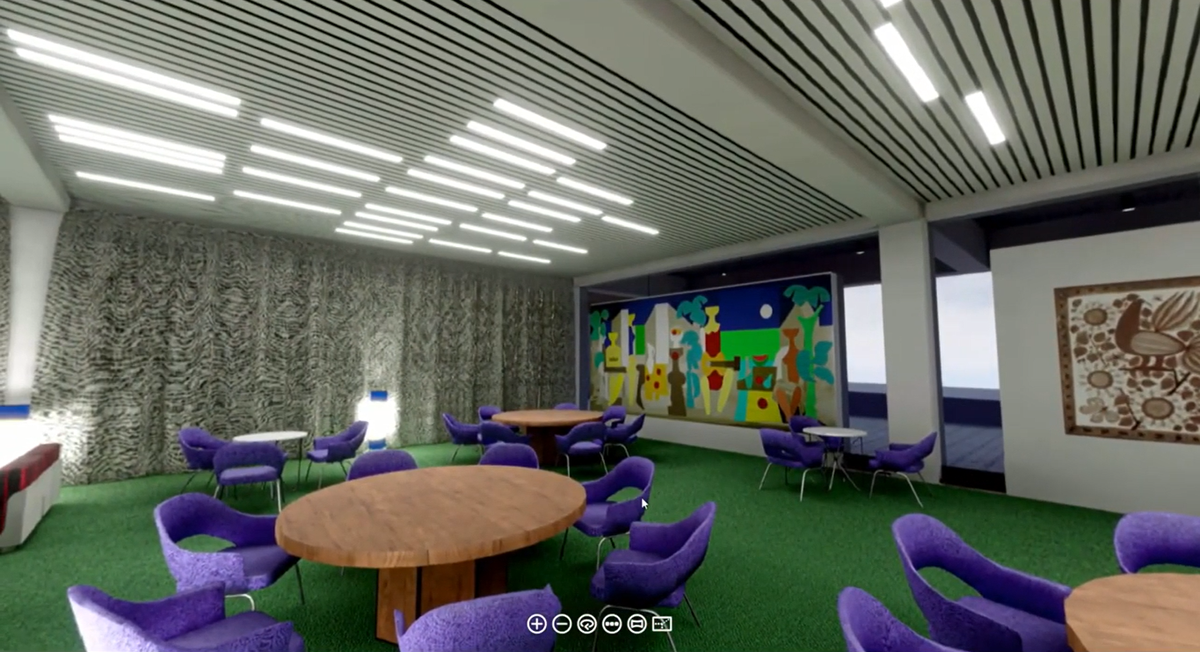
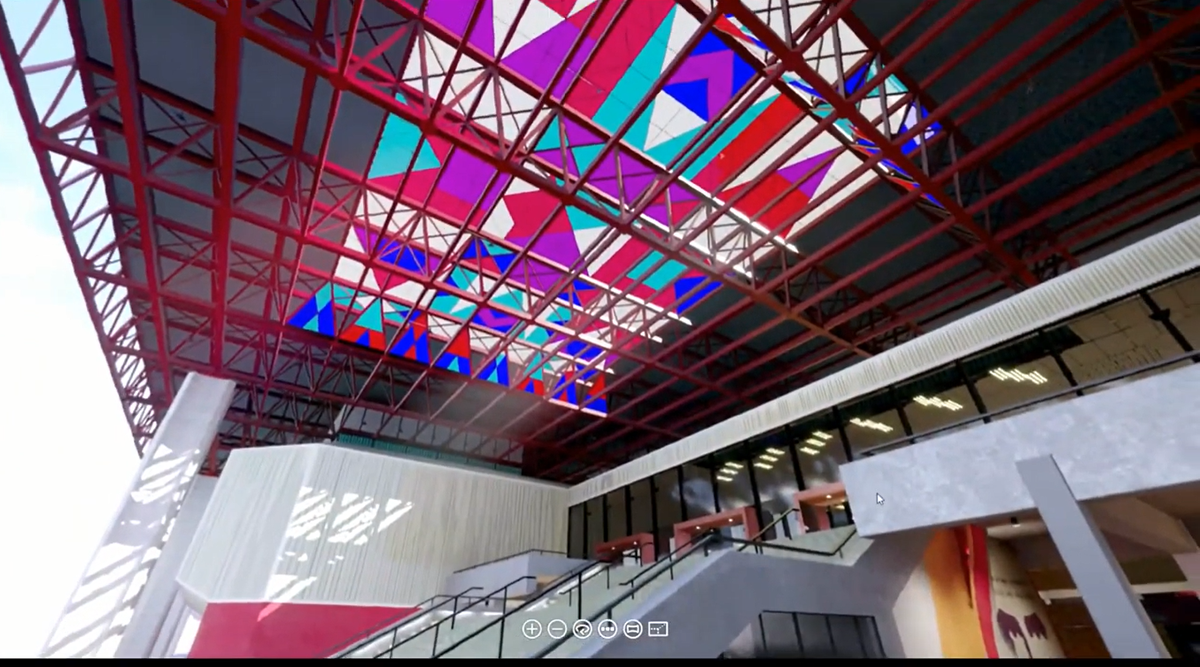
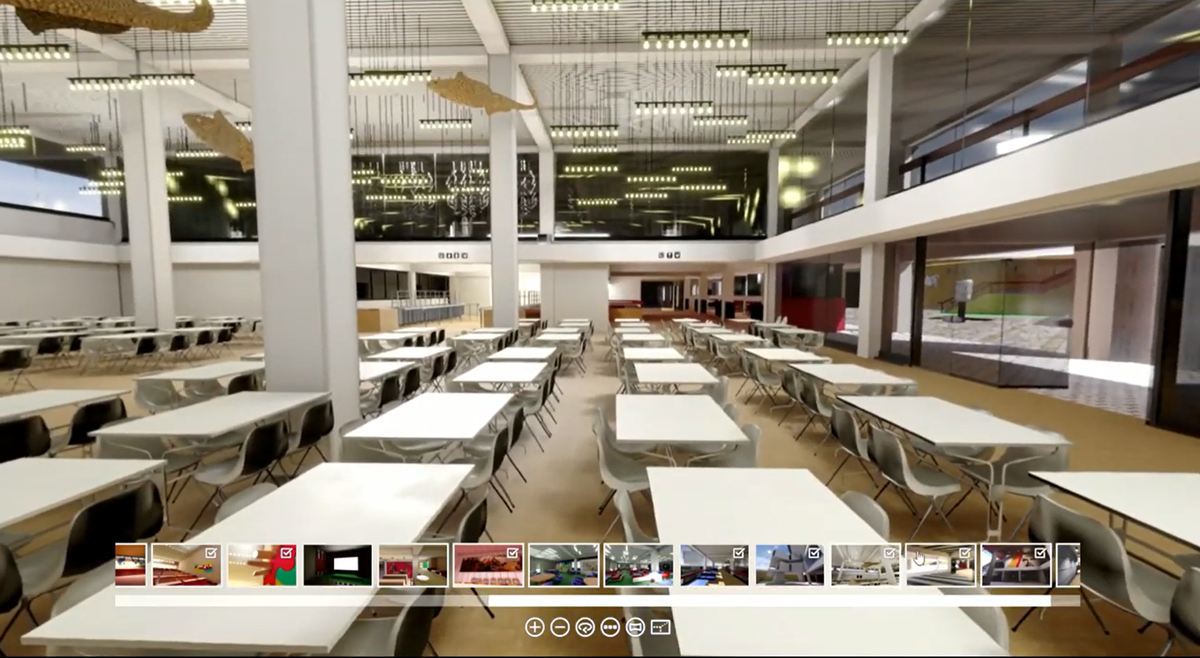
The UNCTAD 360º project is a virtual reconstruction of the original building, where the public will be able to live an immersive experience in the building, walk its corridors and encounter the missing works of art. The developer of the project, David Molina, with the research advice of David Maulén, investigated the design of the building for more than 12 years and rebuilt floor by floor, room by room, what UNCTAD was in 1972.
The work includes the recovery of some lost works by artists such as Nemesio Antúnez, Guillermo Núñez, Carlos Ortuzar, Lucy Rosas, among others. "You can also find objects such as a nationally produced Antu television, an IBM360 computer that was used in the construction of the building and the information totem that was designed by a team of women. I wanted to respect the original spirit of the technicians, workers and artists who participated in the construction of the building, where the works of art were not signed and were integrated into the building as part of the public domain," comments David Molina.
This heritage 3D modeling is available for free at this link.
Interview with artists and pioneers on the occasion of 50 years UNCTAD III
1972 Gabriela Mistral Metropolitan Cultural Center
The second life of the building that now houses GAM lasted just one year, so not many memorized its name. After Unctad III was held, the headquarters passed into the hands of the Ministry of Education and was renamed the Gabriela Mistral Metropolitan Center. Allende wanted to give it to the citizens, as well as give the tower to Chilean women and children.
In his speech on May 17, 1972, he spoke of converting the building into a great National Institute of Culture where students, especially, would give it life. “We want culture not to be the heritage of an elite, but for the great masses who have been forgotten and postponed until now to have access – and legitimate – to it,” he declaimed.
The Gabriela Mistral Metropolitan Center was inaugurated in September 1972 with a concert by Quilapayún in the Alameda, and had Irma Cáceres as its director. Known as "little Lulú" in the political world for her fighting character, at 94 years old, she tells what it was like to carry out her administration at a time when women did not usually have managerial positions.
"It was a building with open arms. No one could do without that place because it concentrated the artistic and political-social events of the time," remembers who visited it often, the writer Roberto Brodsky.
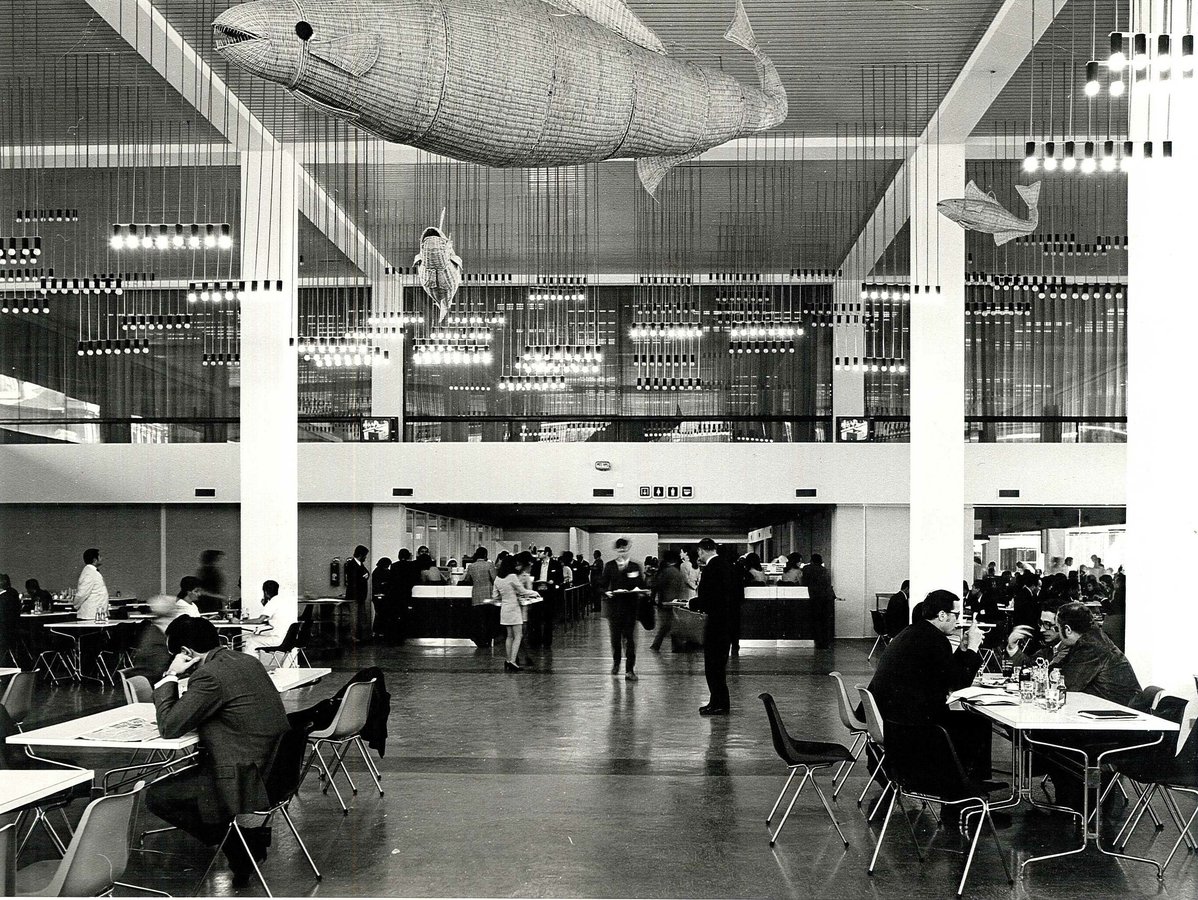
The programming was diverse and was largely financed with meals from the fabulous casino that he inherited from Unctad III and that brought together different social classes. At the Gabriela Mistral Inti-llimani Metropolitan Center she played Canto para una Seed and until the Coup d'état, there were talks, theater, dance and Latin American art.
Excerpt from an interview with Irma Cáceres, conducted by journalist Gabriela García for the book GAM 10 años.
“There was a lot of life in the building”
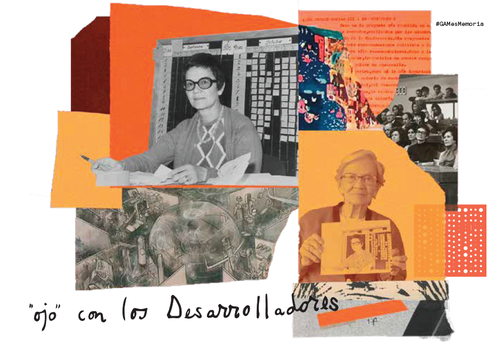
Sitting in her home in Lo Cañas and with the table covered in black and white photographs, the former director of the Gabriela Mistral Metropolitan Center remembers how the building was returned to the citizens post UNCTAD III. It was an open museum, a setting for cultural activities that also offered a casino that accommodated 600 diners. It was the meeting point of an effervescent society until they began to stone it.
It was 47 years ago, but Irma Cáceres de Almeyda still remembers it. That woman with thick-framed glasses and a diamond-patterned vest who appears in the black and white photograph she is holding in her hands is her, in 1972.
It is impossible for time to erase such a significant stage. Directly appointed by Salvador Allende to direct the Gabriela Mistral Metropolitan Center, she was in charge of giving new life to the building built to house Unctad III.
Irma's mission was to return it to the citizens.
—I was so happy working there! I had the feeling that it was useful, that it was necessary. Having a job that allowed me to make Chile known was truly a privilege. Give entry to a series of people who had no possibility elsewhere, of breadth... one lived, one worked and one could do a lot inside—he says today, at 94 years old.
At a time when it was difficult for women to occupy management positions, Irma left her mark. The Gabriela Mistral Metropolitan Center was colloquially called “the women's building,” because in addition to the offices that had to do with its administration, and which were located on the fourth floor of the tower, there were also those of the Women's Secretariat.
Known as “Little Lulú” in the political world for her autonomous and fighting spirit, it was in this place where someone who had studied Law, History and Geography, had raised three children, but above all accompanied her husband, the Minister of Foreign Affairs, Clodomiro Almeyda, acquired her own light.
The challenge that Irma took on was not minor, considering the dimensions of the building: the Gabriela Mistral Metropolitan Cultural Center had to support itself with the money that came in from the casino, which had been built inside for 600 people, but also with the rental of rooms.
To their surprise, organizations like the CUT or the FECH were fighting for that space. In the end everyone wanted to be there:
-There was a lot of interest. Travelers who arrived in Santiago... it was the place to go to visit - she says, pointing to the photograph where she sees herself with her back to a calendar full of activities, working.
Irma practically lived there, organizing a program that she does not remember precisely, but that included everything from dance shows and pop-up theater, to round tables and exhibitions of Mapuche metalwork and Chilean minerals.
-There was a particularly successful exhibition of Latin American art —says Irma. Through the embassies we got the countries of the Andean Pact (Bolivia, Ecuador, Argentina, Colombia and Venezuela) to send us a small sample of their crafts. It wasn't common, it wasn't something so grand, but it was representative, very much of the people. This type of contact within Chile and with Latin America was very warm and close —he remembers.
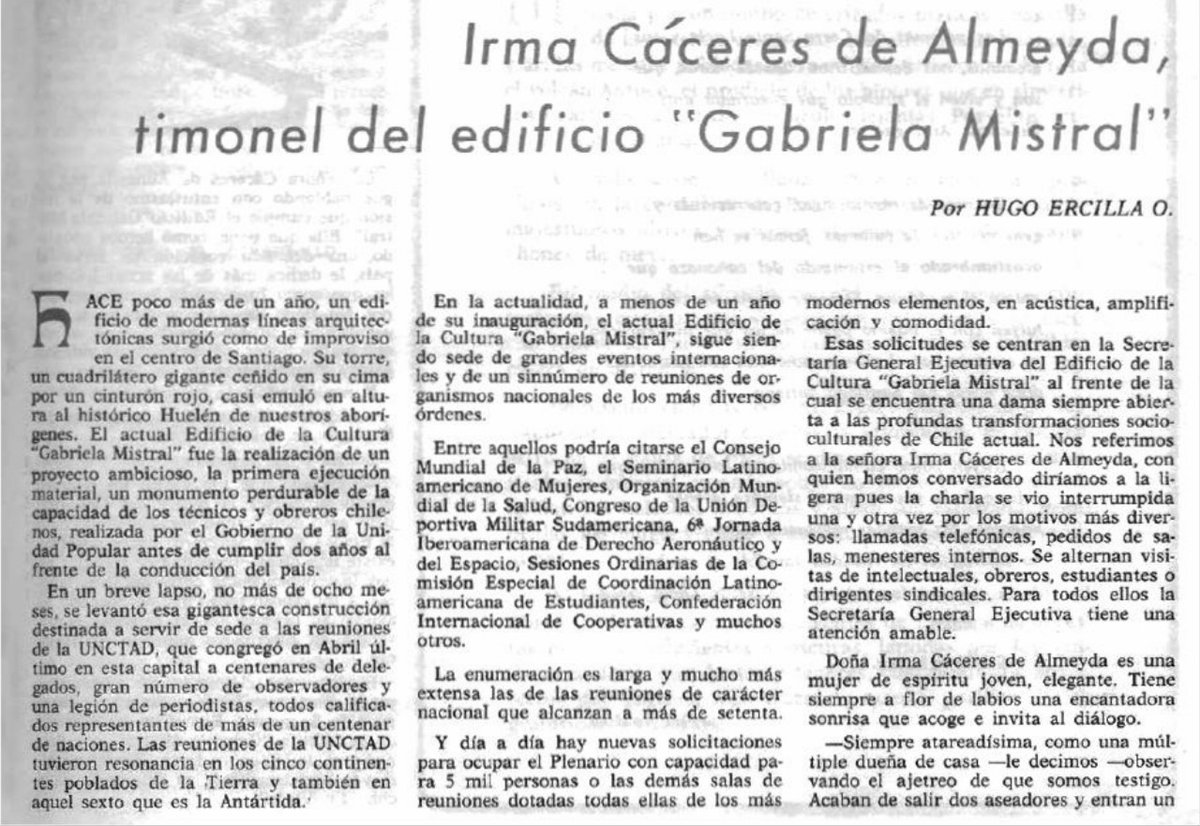
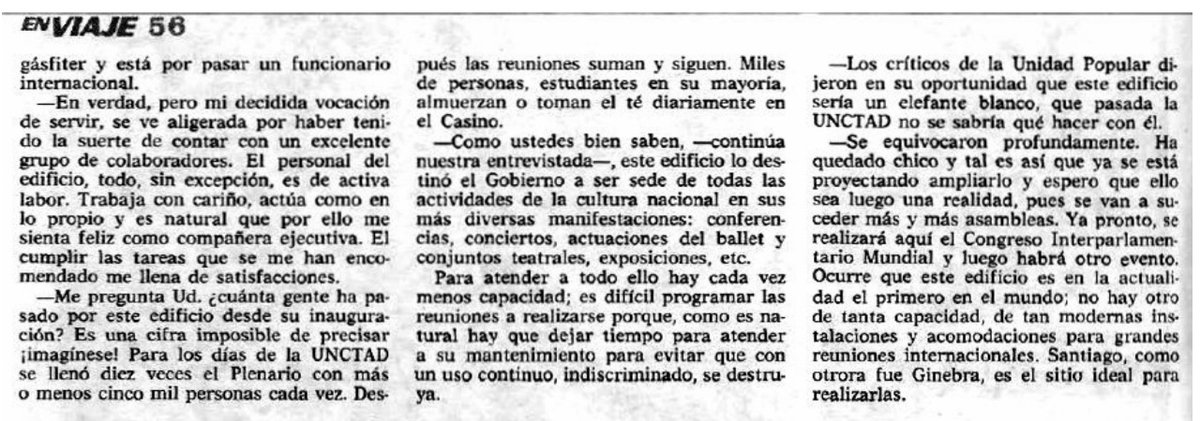
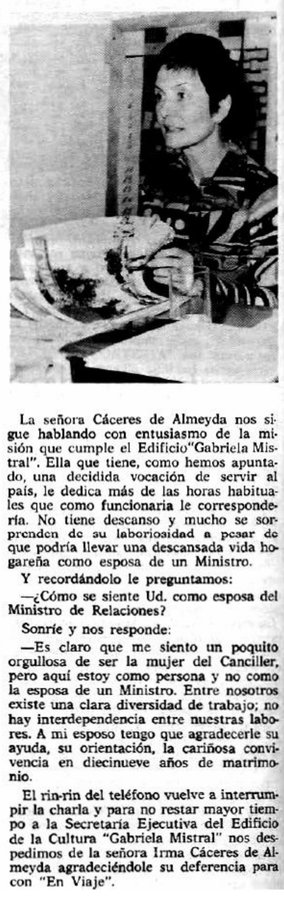
Interview with Irma Cáceres, Executive Secretary of the Gabriela Mistral Metropolitan Center, from the magazine “En Viaje”, 1972, .ed. State Railways:
1973 Diego Portales Building
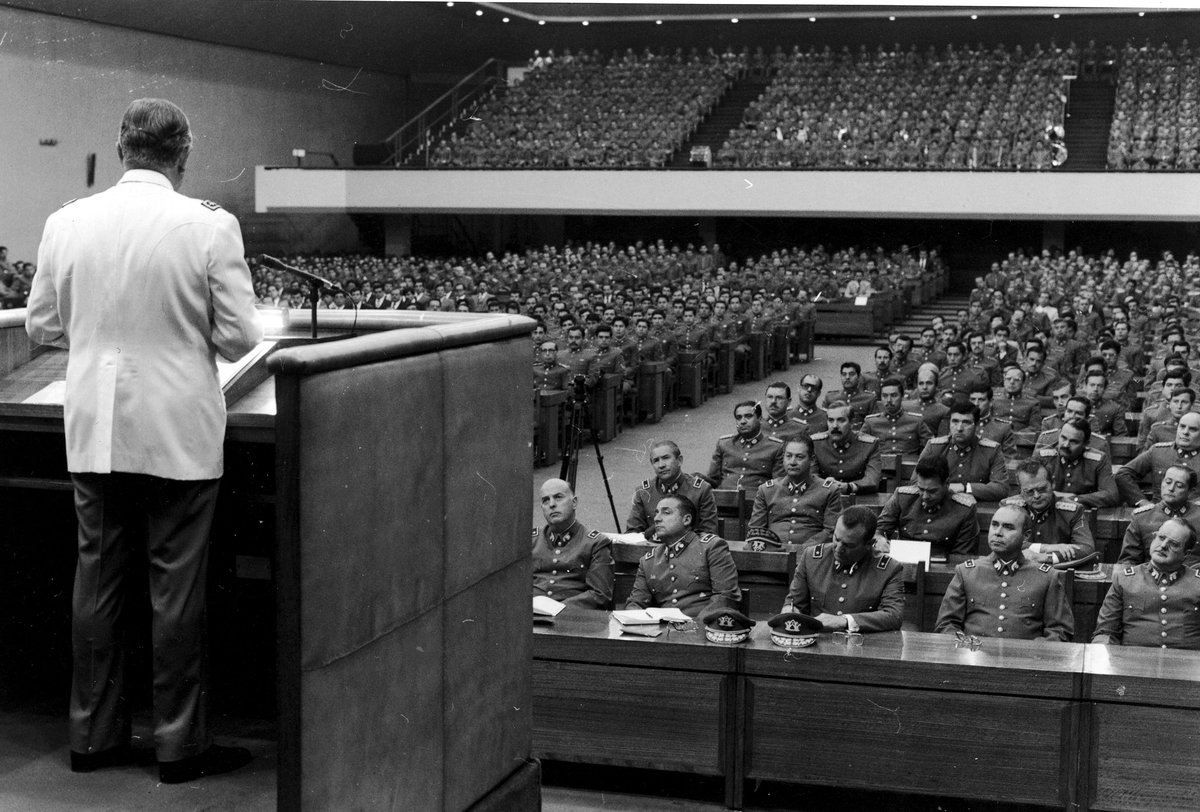
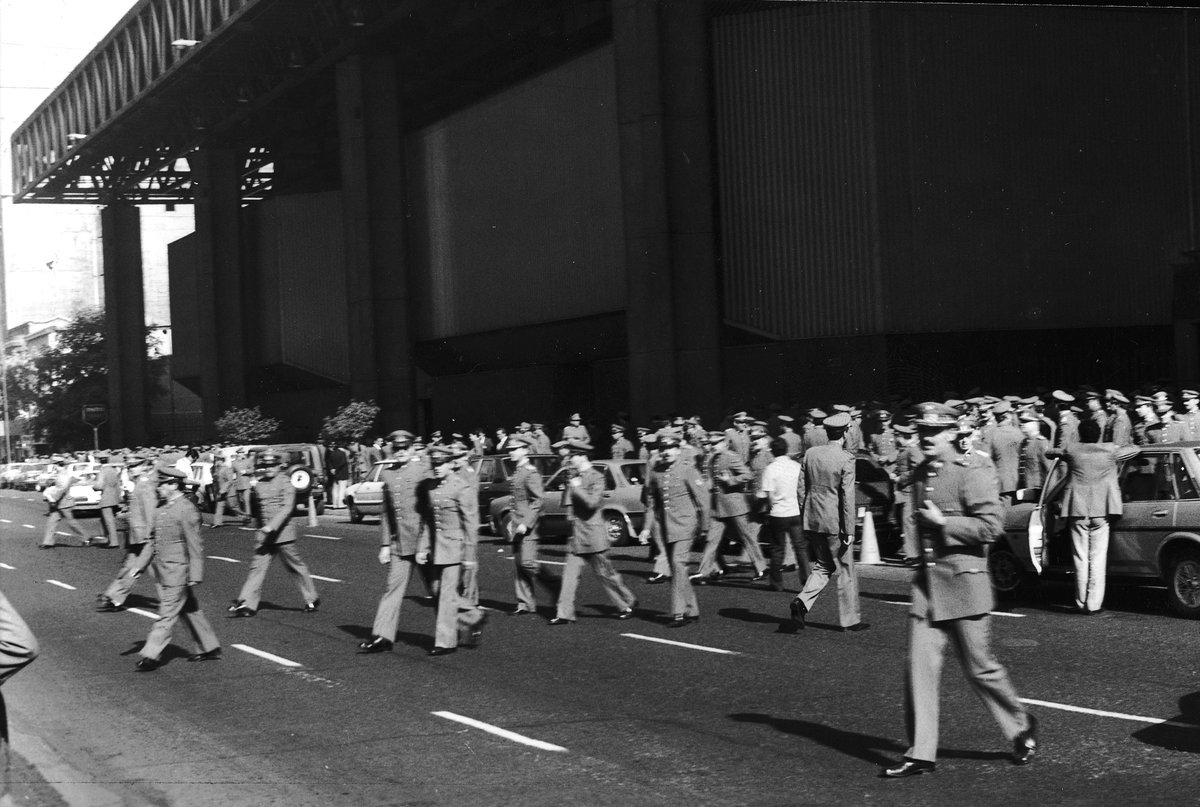
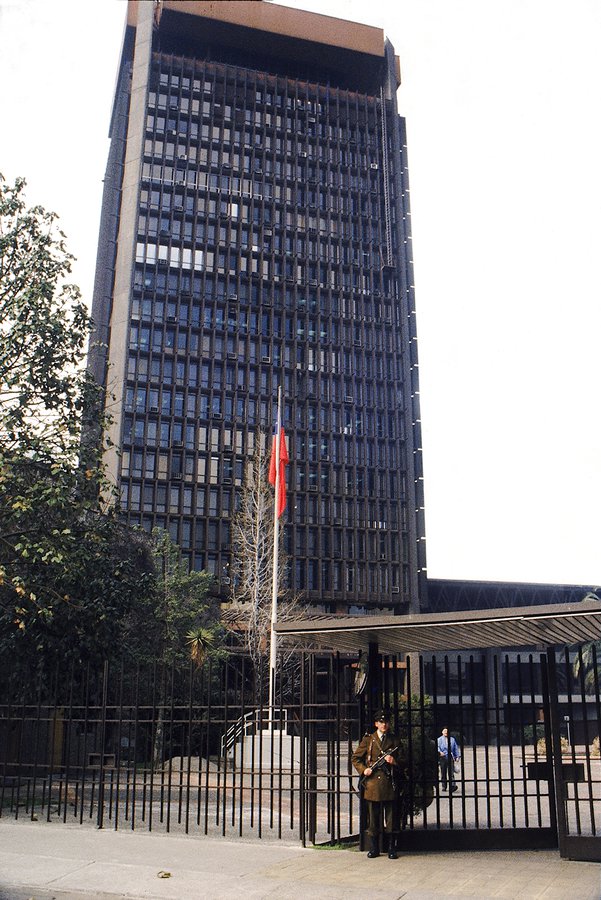
A decree-law issued three months after the coup d'état of September 11, 1973 converted the cultural center into the headquarters of the new military government, which changed its name to the Diego Portales Building.
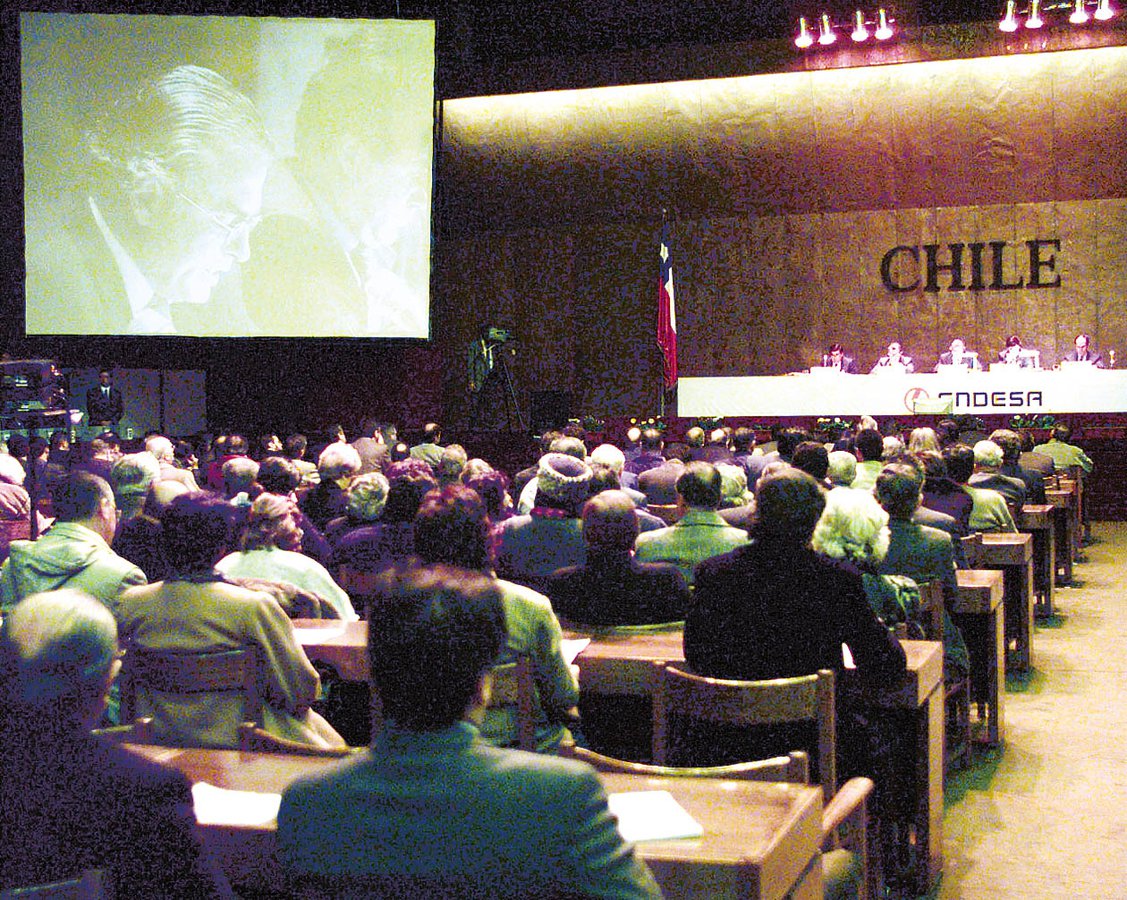
Until 1981, the Executive and Legislative powers functioned there, and its rooms became protected and strategic spaces for the decisions of the Military Junta. The building was closed to the public, its exterior was barred, and the bulk of its art collection was removed, destroyed and dispersed.
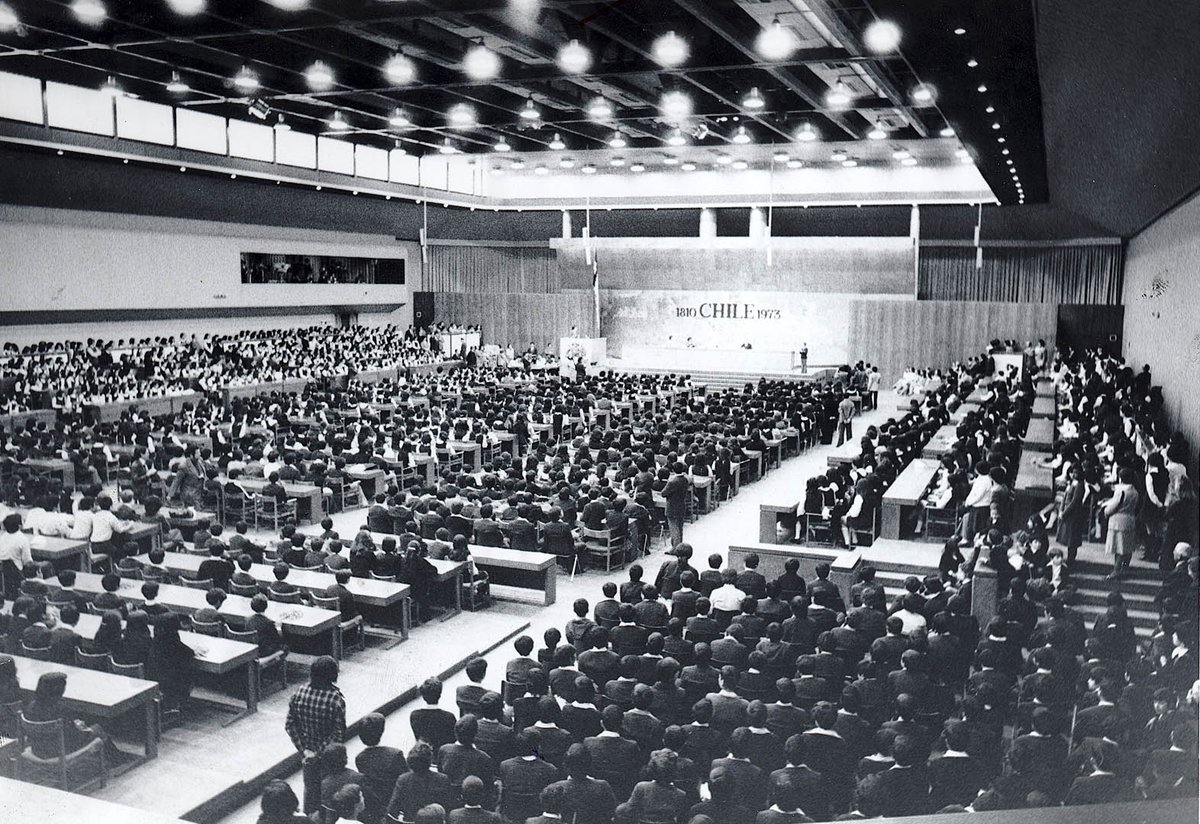
In 1981 the presidential offices returned to the La Moneda Palace and the building continued as the legislative headquarters. Its plenary hall used to be the scene of the speeches that Augusto Pinochet gave on national television to citizens or his officials.
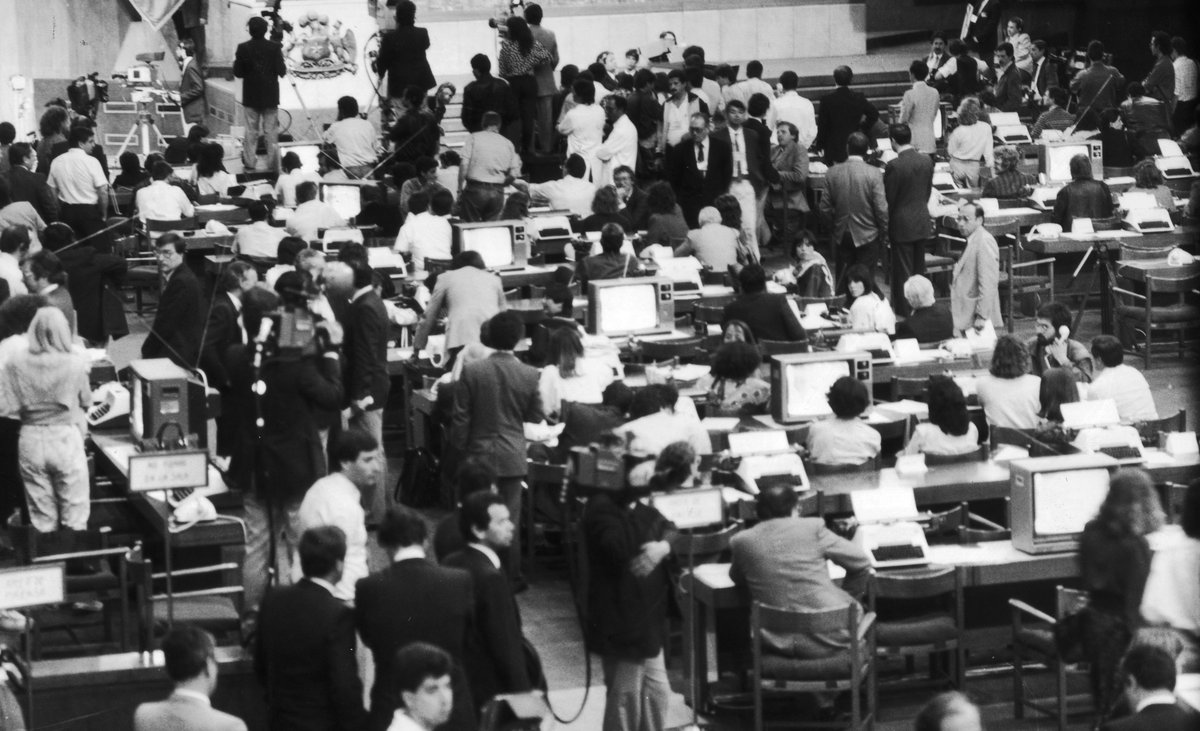
As the headquarters of the press center set up for the 1988 plebiscite, Diego Portales hosted the historic announcement that confirmed the popular decision to return to democracy.
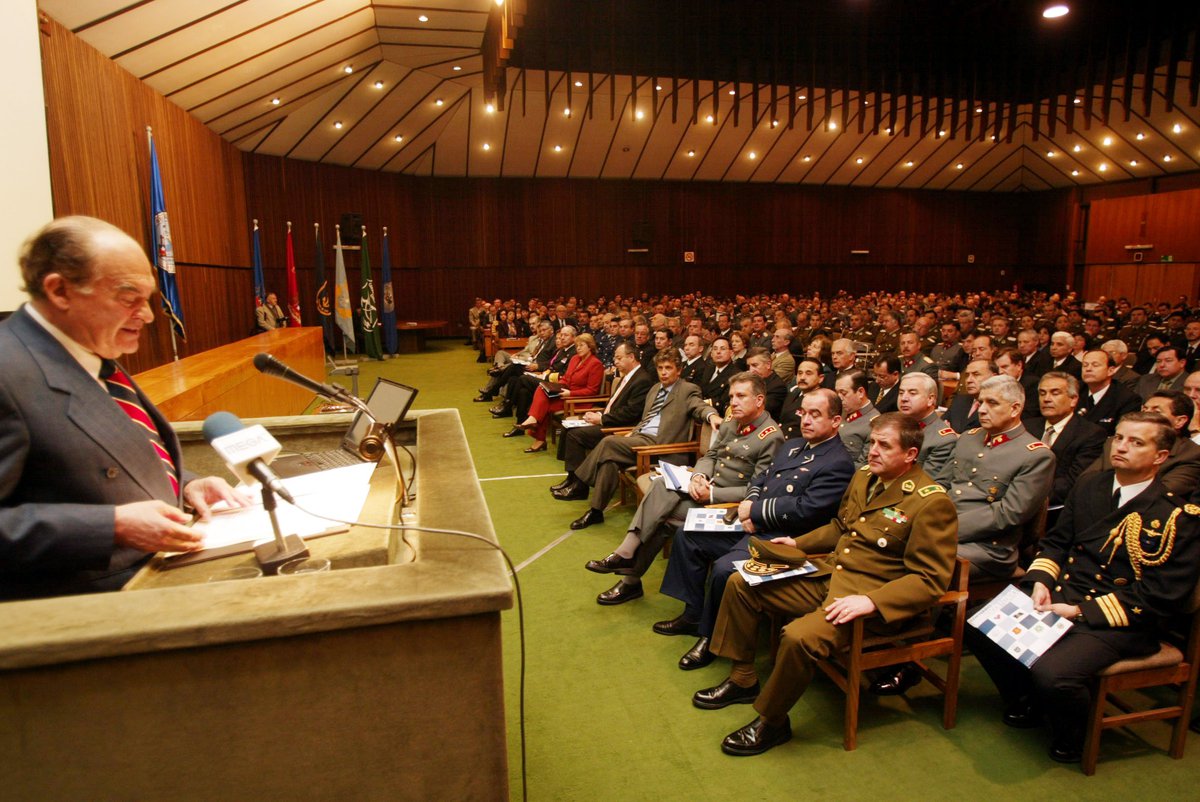
Starting in 1990, when Patricio Aylwin's government took office, the building served as a conference and convention center, and one of its towers became the headquarters of the Ministry of Defense.
1973 Diego Portales Building
2006 Refoundation
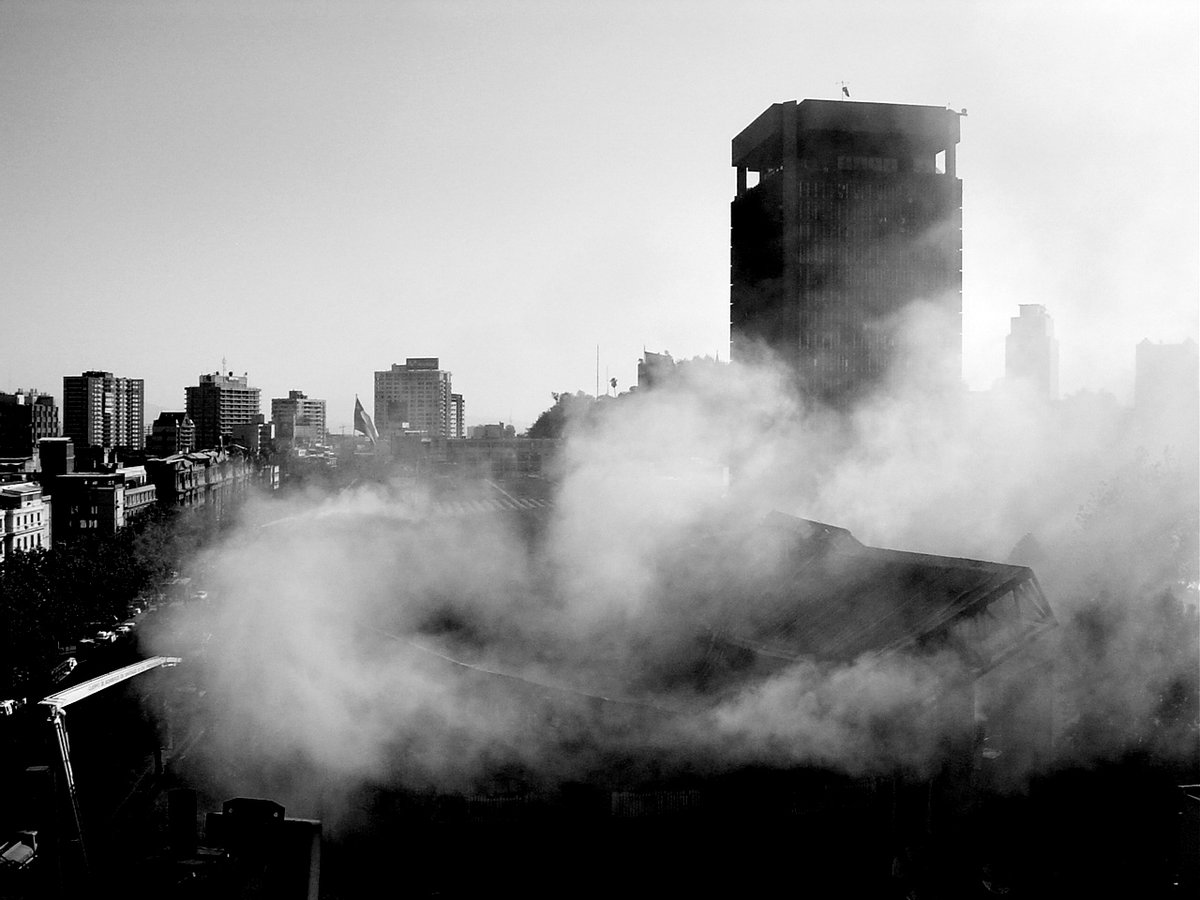
In March 2006, a fire destroyed part of the construction, prompting Michelle Bachelet's government to rethink its original meaning and return it to the citizens as a great cultural center.
The large plenary hall, with capacity for two thousand people, was the space most affected by the fire that destroyed the eastern sector of the building on the afternoon of March 5, 2006. Forty percent of the construction was damaged, in addition to the partial destruction of the White and Blue rooms and the collapse of the metal structure of the roof. The fire mobilized three hundred volunteers from the Fire Department, whose official report attributed the start of the fire to overheating in the building's electrical network.
Once the damage was confirmed and the debris cleared, Michelle Bachelet's government opened an inter-ministerial consultation to decide what to do with the infrastructure. A committee made up of the ministers of Housing, National Assets, Education and Defense opened the redesign of the building to an international architectural competition. The bases specified the need to recover the original meaning of the space, and "return to the citizens a building created for the people." In December 2007, the proposal from the offices of Cristián Fernández associated architects and Lateral Arquitectura was declared the winner, among a total of 55 projects.
The architect Miguel Lawner, who coordinated the construction teams in 1972, was one of the protagonists of the rebirth of the Gabriela Mistral center. Together with other workers at the UNCTAD III building, he opposed its tender and defended its reorientation as a cultural center. «Rarely can it be stated with more propriety that the people made this building their own. We trust that this same original spirit will encourage the management of the new Gabriela Mistral Center in this historical stage of its rebirth," he said at the Architecture and memory meeting that took place at the inauguration of GAM.
2006 Fire
2010 Gabriela Mistral Center
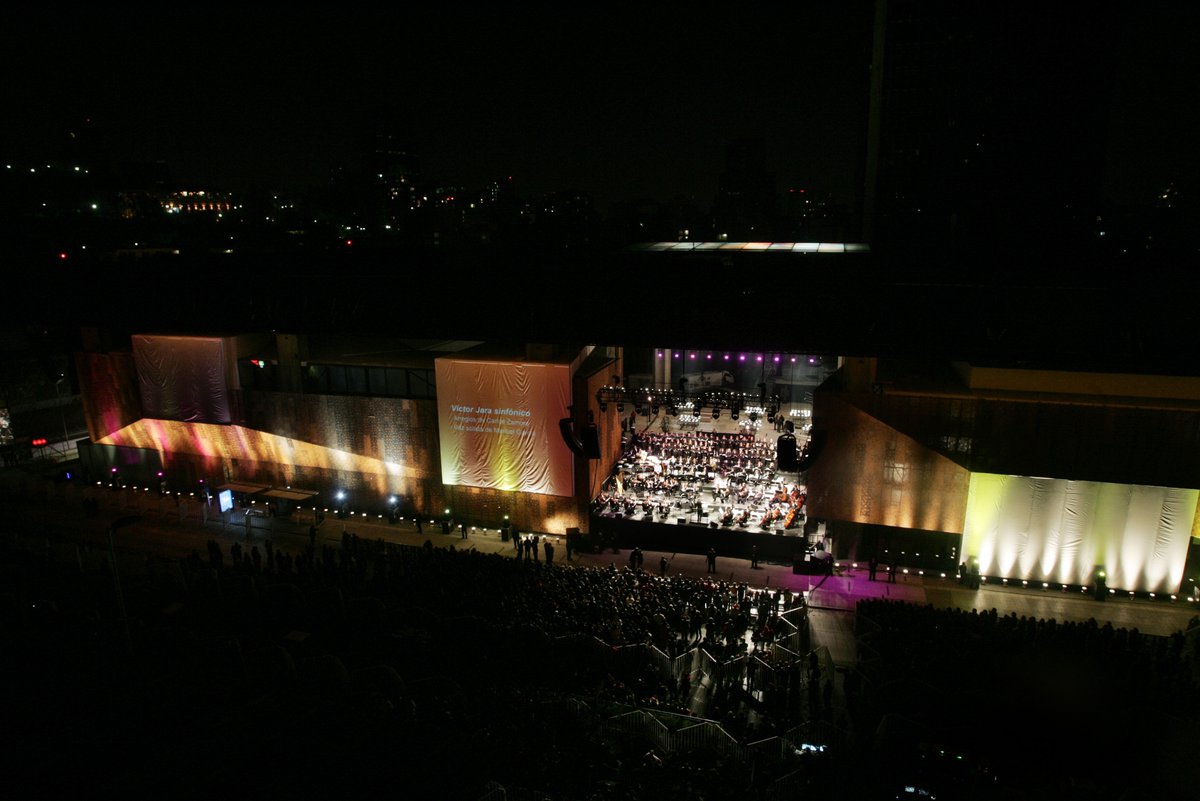
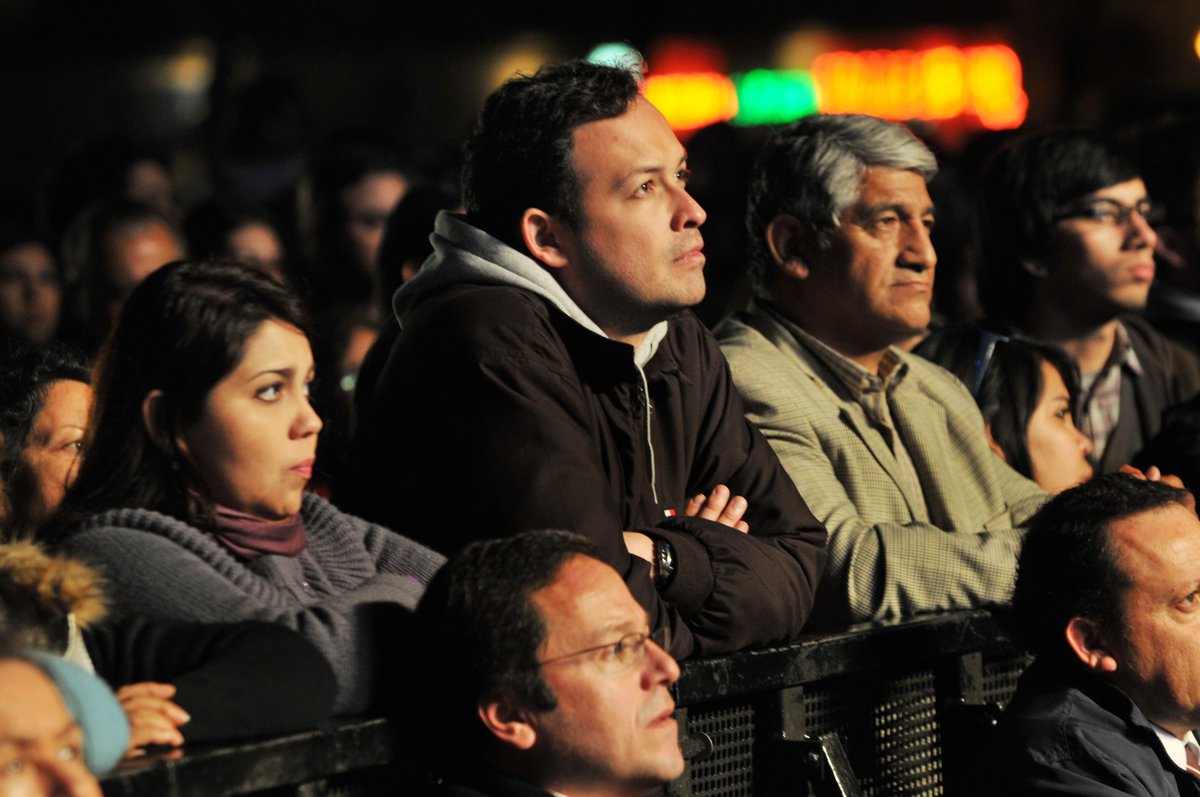
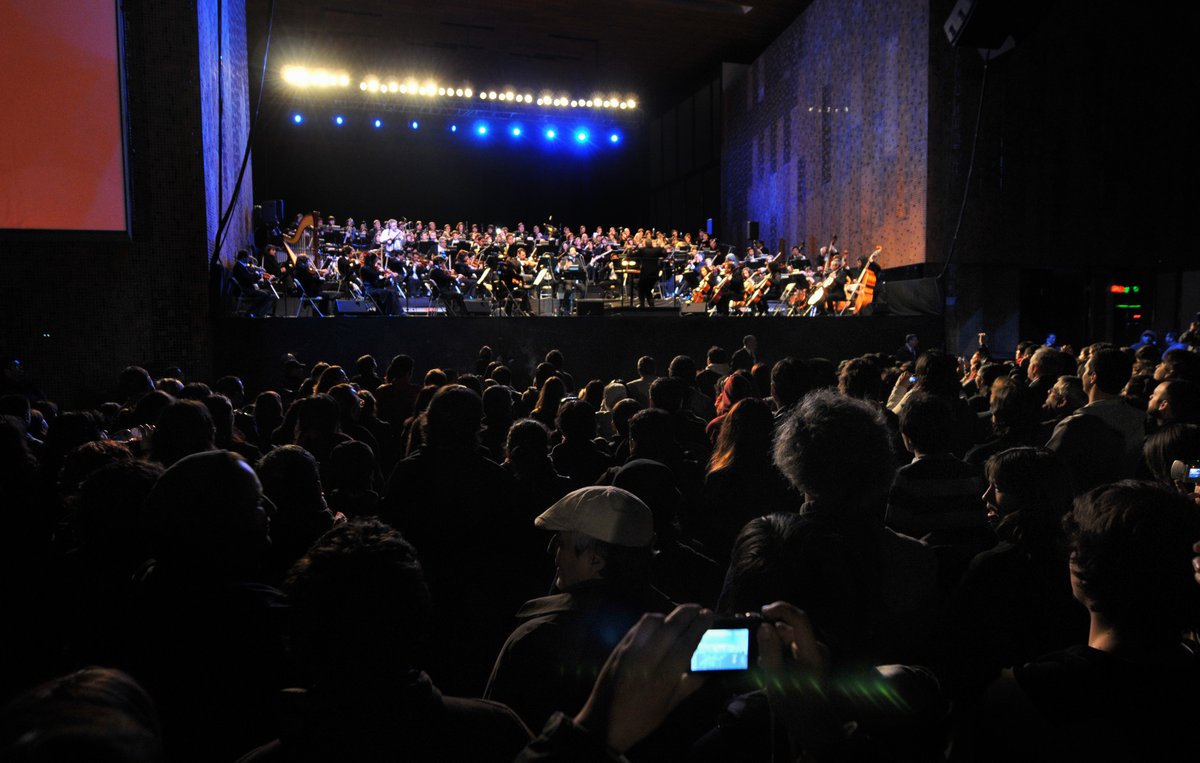
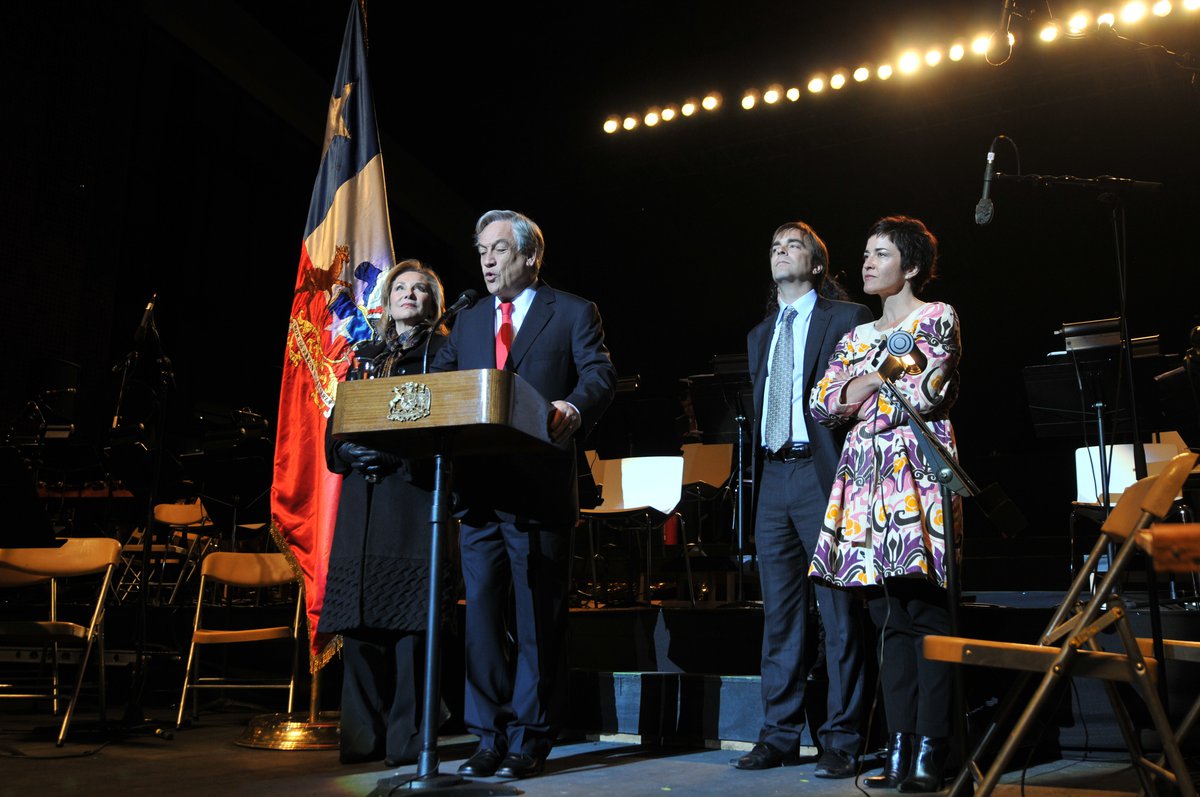
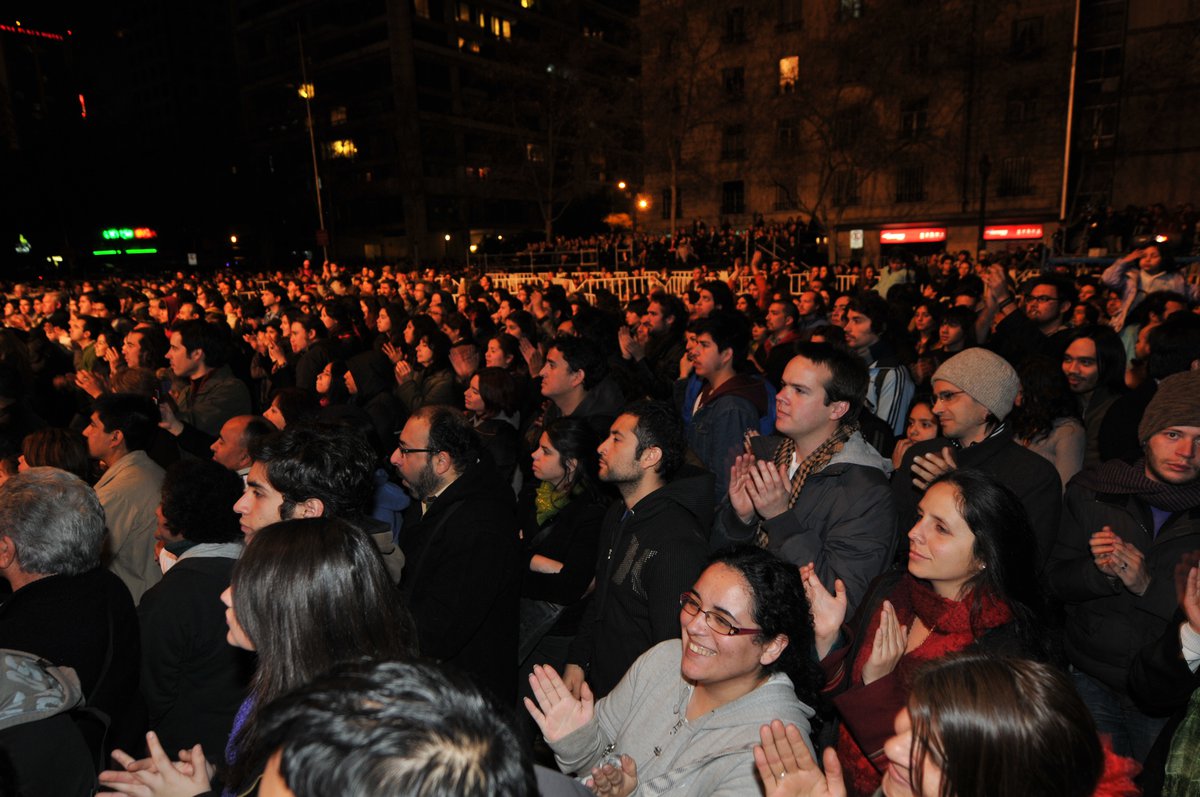
Seven thousand people celebrated the opening alongside government authorities and protagonists of the cultural world.
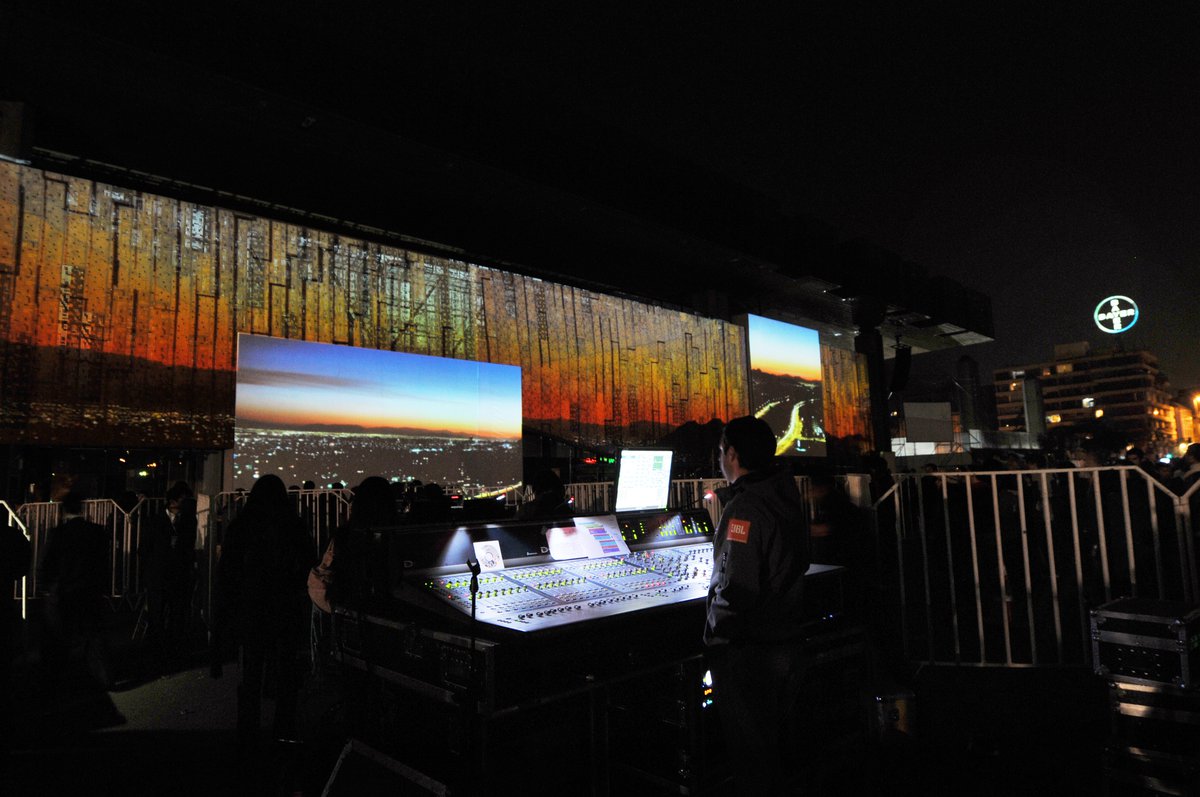
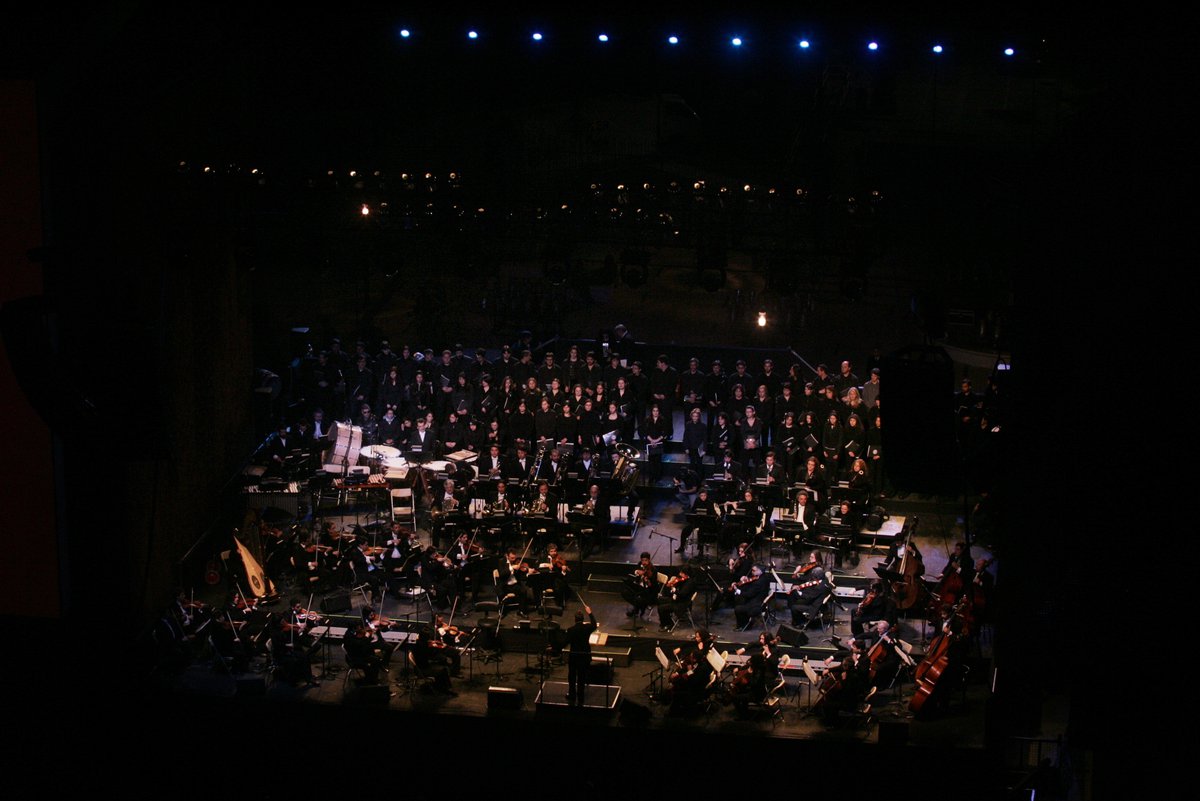
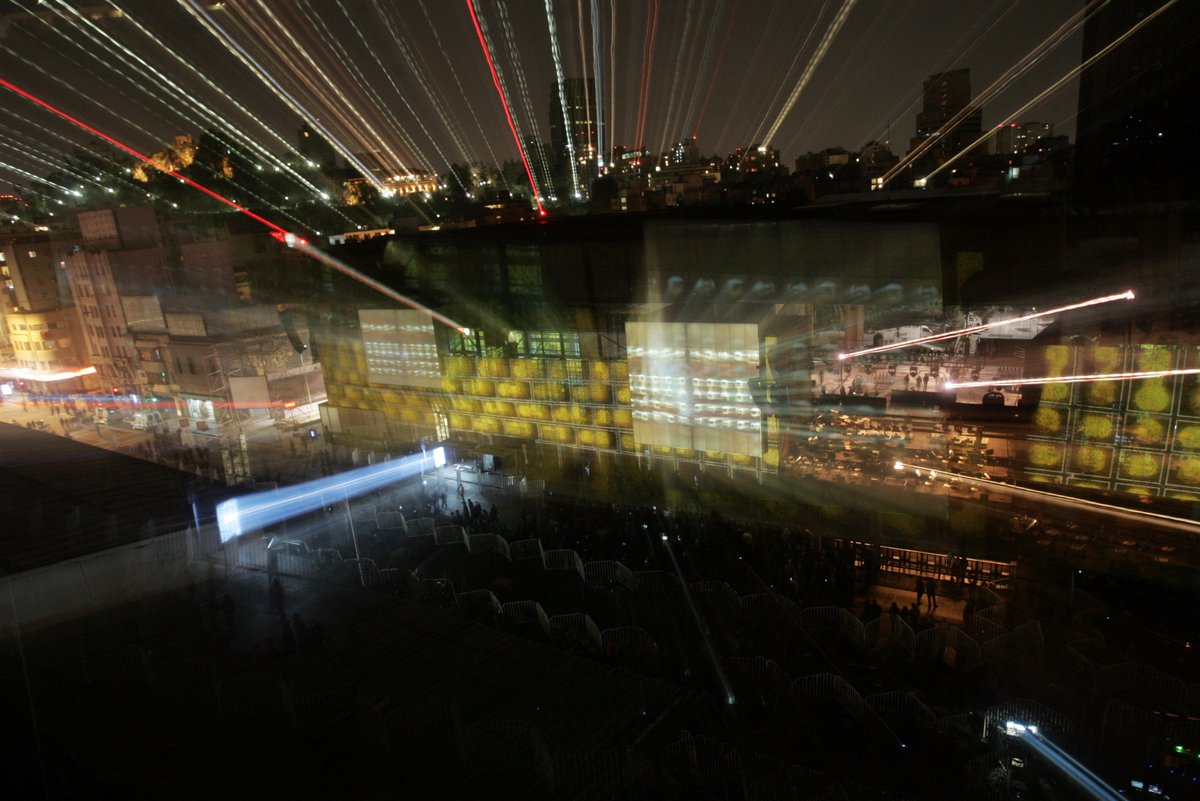
The cultural center building served as a curtain and stage for visual projections and a concert that recreated symphonic versions of the catalogs of Violeta Parra and Víctor Jara by the Orchestra of the University of Concepción (under the direction of maestro Rodolfo Fischer), the singers Claudia Acuña and Manuel García, and the choirs of the USACH and UNAB.
“Tonight we are just inaugurating the first stage, but we know very well that we have a commitment to the stages that will come,” explained President Sebastián Piñera, when inaugurating the architectural milestone of the bicentennial.
In its first stage of remodeling, the Center stands out for the transparency and organization that projects the interior life of the building to the outside, merging with the routine of its surroundings. It is a building connected to the city but, at the same time, capable of hosting autonomous realities for creation and silence. Cristián Fernández, architect in charge of the remodeling, points out: "The building simply adapted to an urban design that, in our opinion, refounds the relationship of the place with its context."
2010 Inauguration