

Our Gabriela
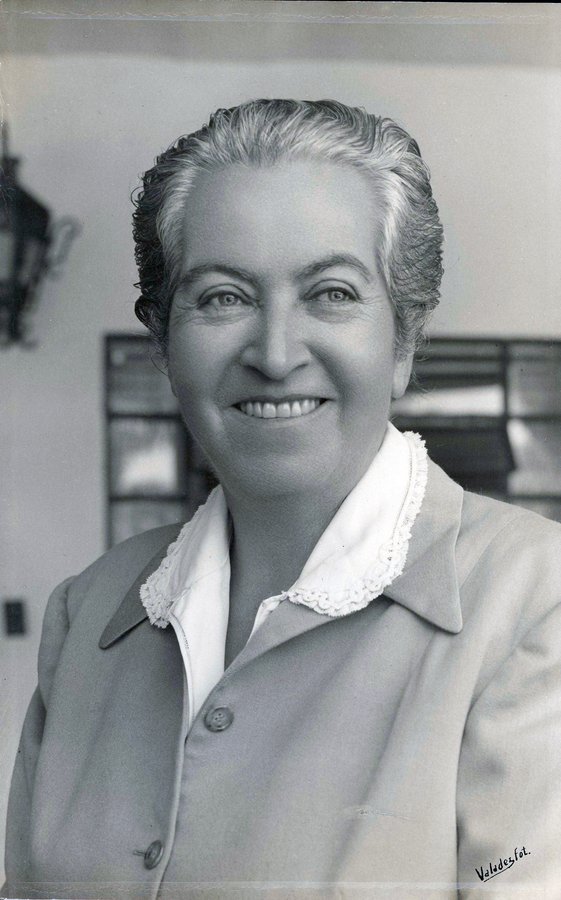
“Play, I don't want to be a quiet niche,” wrote the Nobel Prize winner in Literature. And in the cultural center that bears his name, his legacy lives on in endless ways.
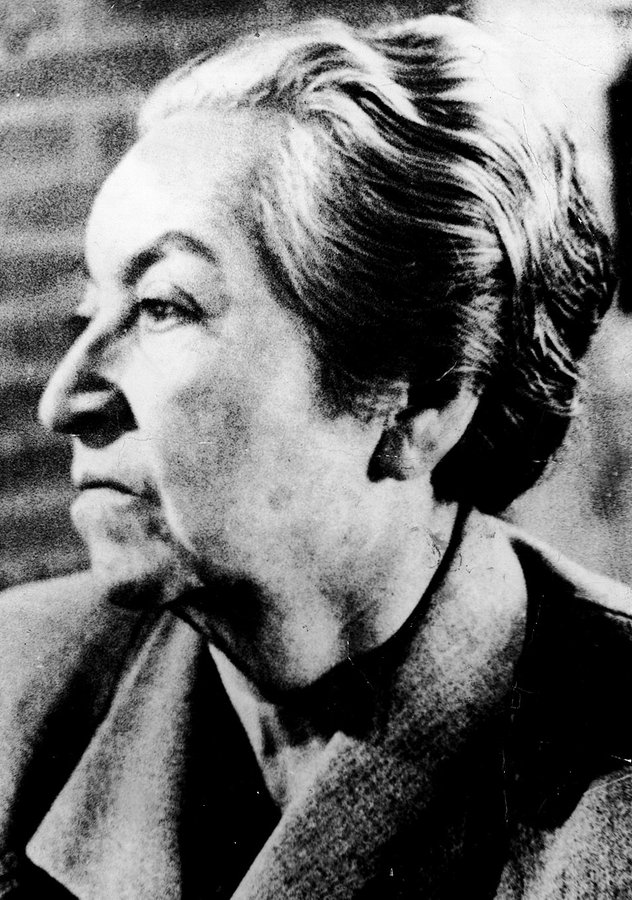
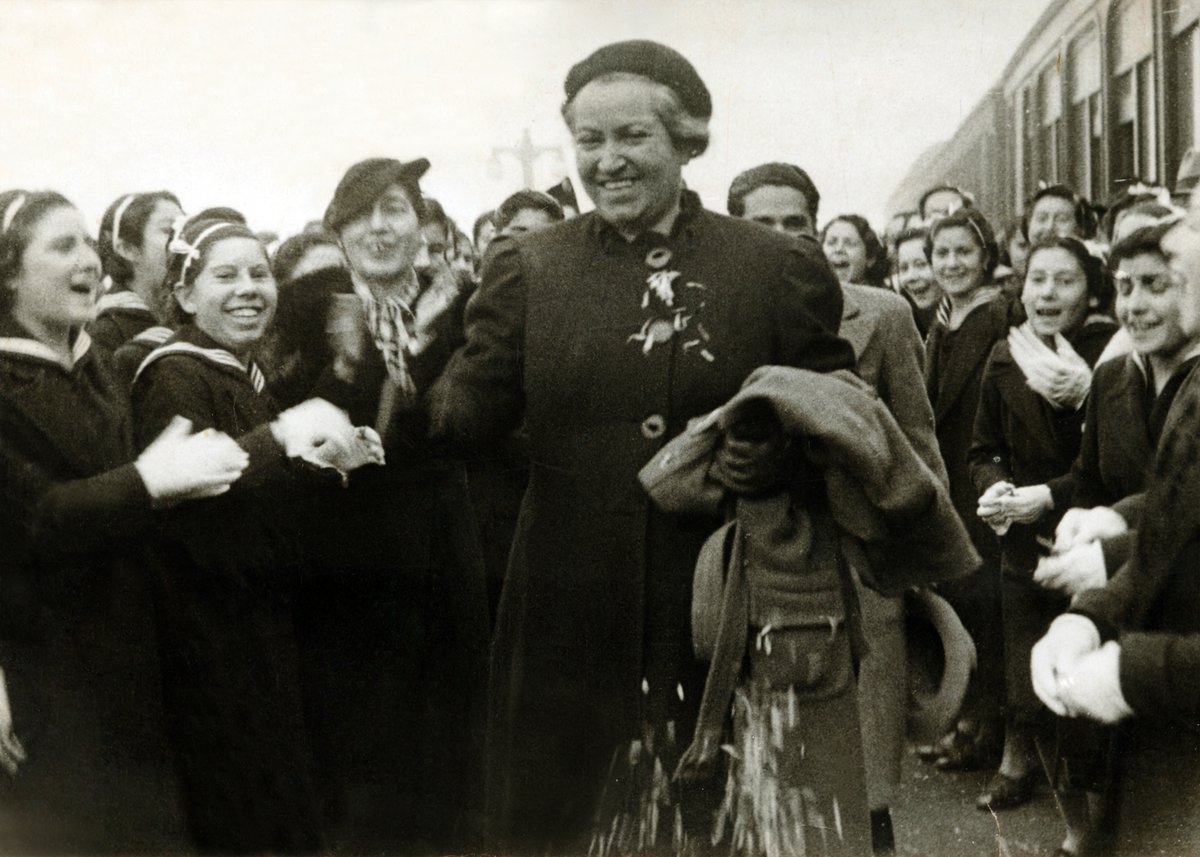
A round and an 11 year old girl. A round where Gabriela Mistral is in the center and where her teammates laugh and throw stones at her. The girl's crime is having stolen some blank sheets of paper. Gabriela is expelled from the school where her half-sister Emelina took her and is so poor that she doesn't even have shoes to go to another one. 45 years later she becomes the first Ibero-American woman to win the Nobel Prize for Literature. His work rises to unsuspected heights, above the mountain range.
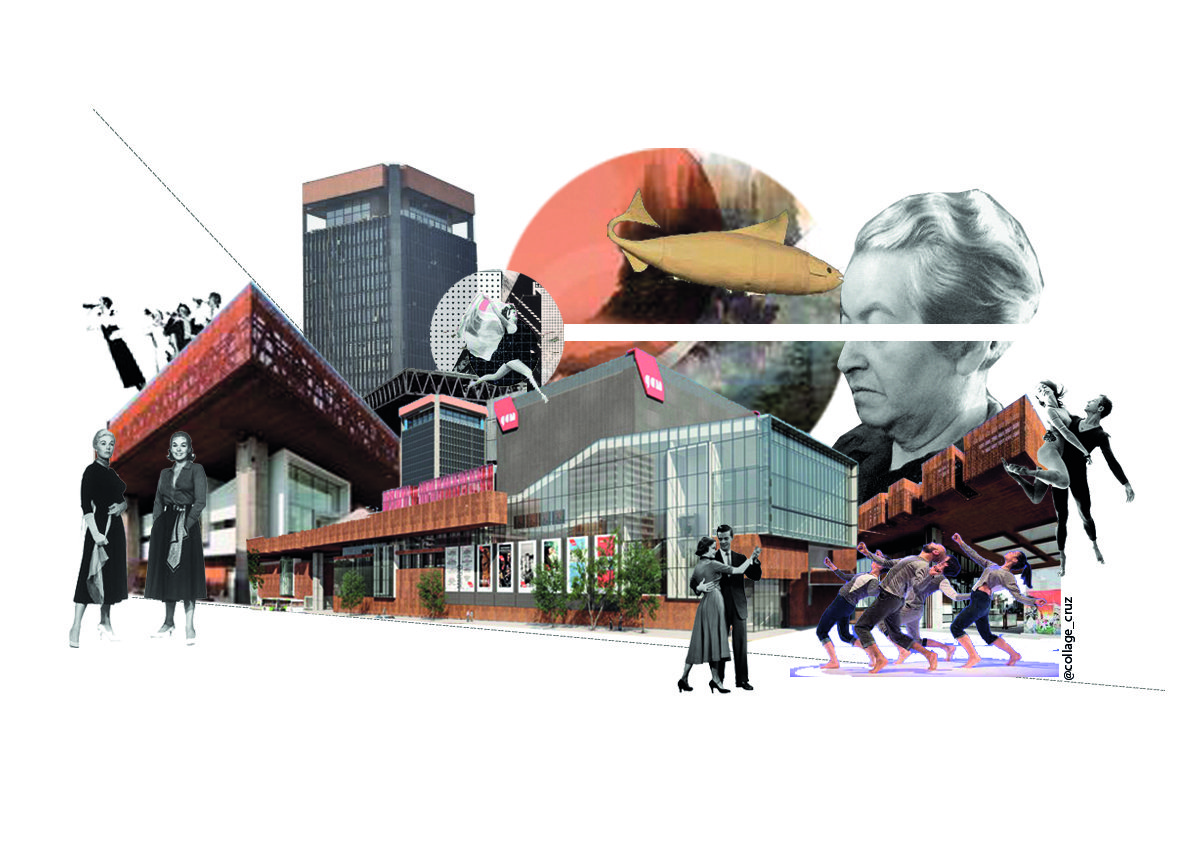
Image: Javiera Cruz Salgado
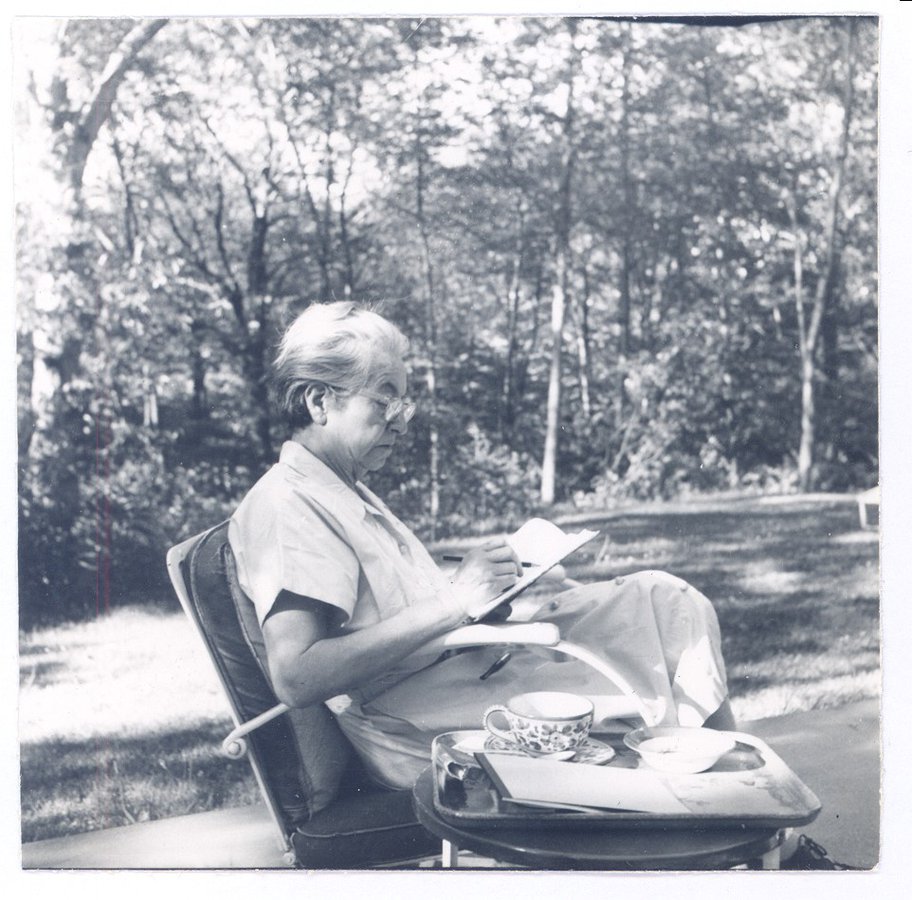
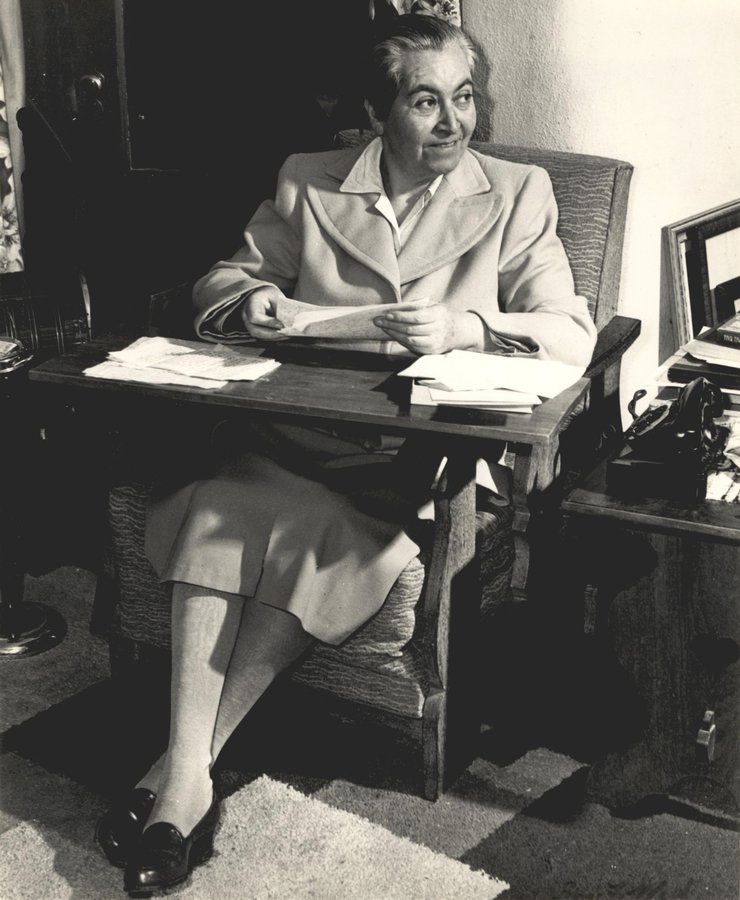
If Mistral's life were a film it could begin like this, with the childhood scene of a girl who was born in Vicuña on April 7, 1889, and who after growing up in Montegrande, goes out to travel the world with graphite pencils and several notebooks in her pocket. Gabriela has everything against her but she becomes a self-taught teacher, directs schools and teaches children to read and write throughout Latin America, inspires Mexican educational reform and even becomes consul of several nations.
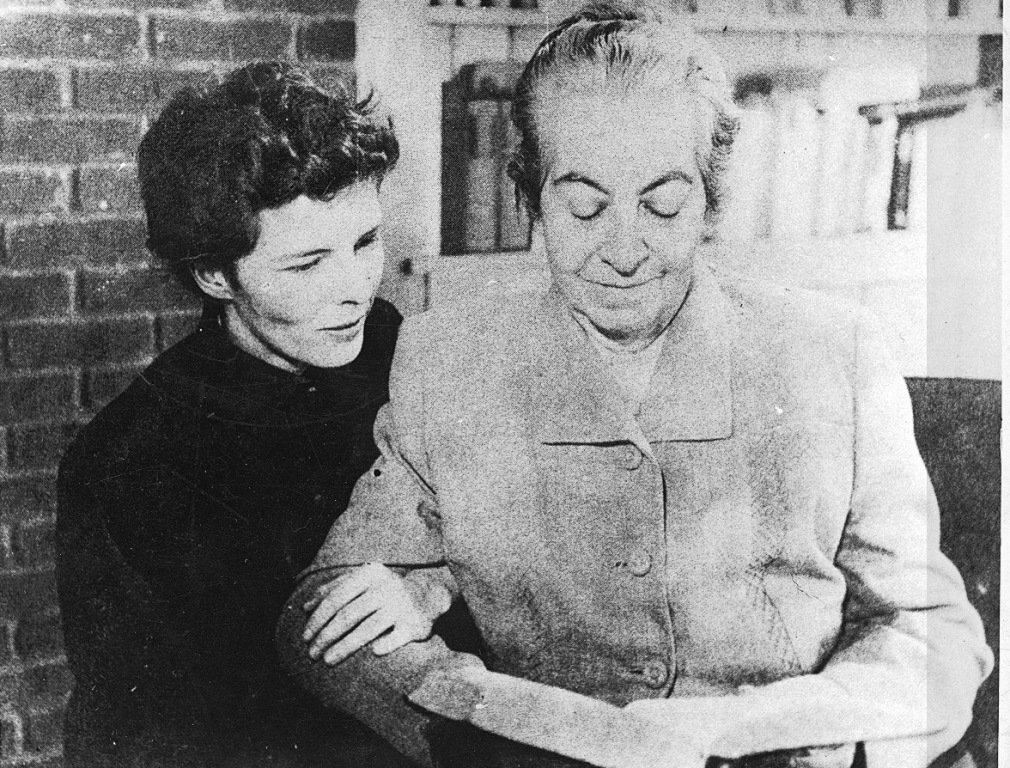
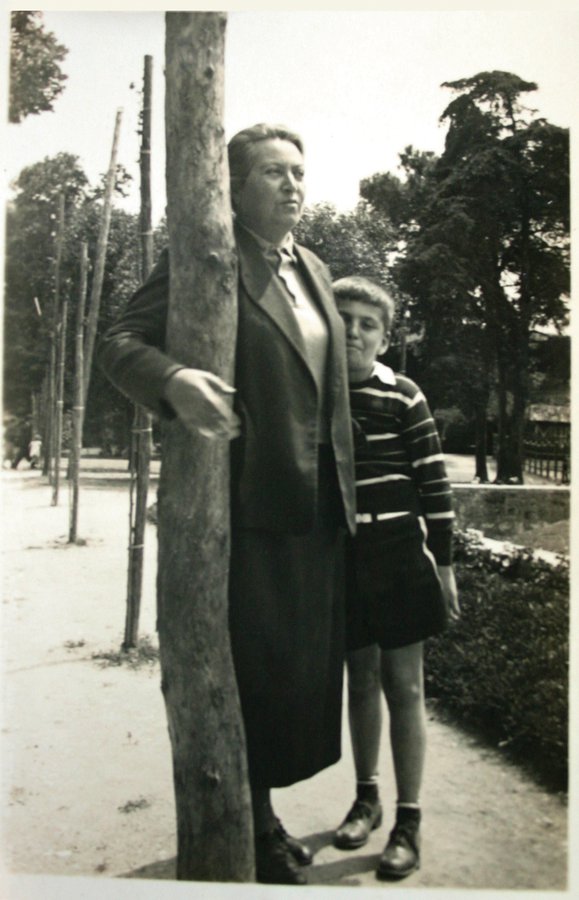
On January 10, 1957, he died in New York with a crucifix in his hand and in front of the eyes of his beloved executor Doris Dana. "Triumph". That is the last word that someone who also overcame the loss of Yin-Yin, a nephew who loved as if his womb had given birth to him, manages to pronounce.
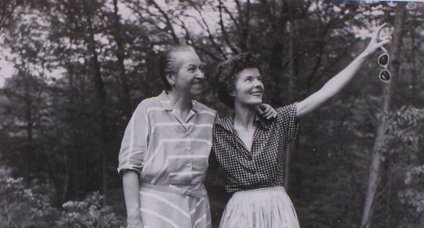
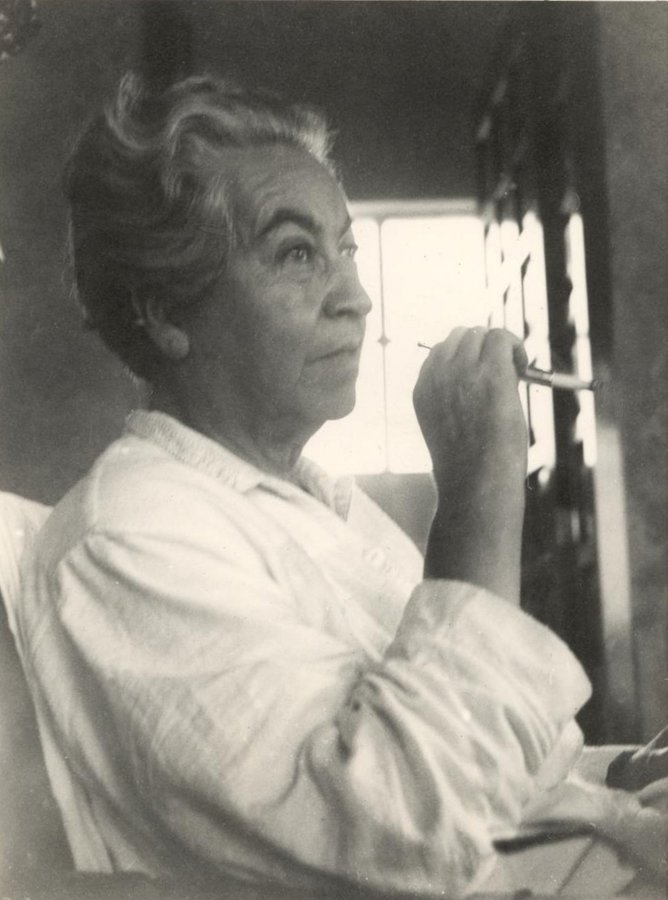
But Gabriela didn't want to die either then or now. There's a reason she wrote until her wrists hurt and she became one of the most important Spanish-speaking intellectuals. In a world-class thinker who breathed poetry until the last breath. In one of the messages she addresses to children, Lucila Godoy – her real name – gave notice of her desire for transcendence: “After many years, when I am a quiet little pile of dust, play with me, with the dirt of my bones,” she wrote.
“After many years, when I am a quiet little pile of dust, play with me, with the dirt of my bones.”
— Gabriela Mistral.
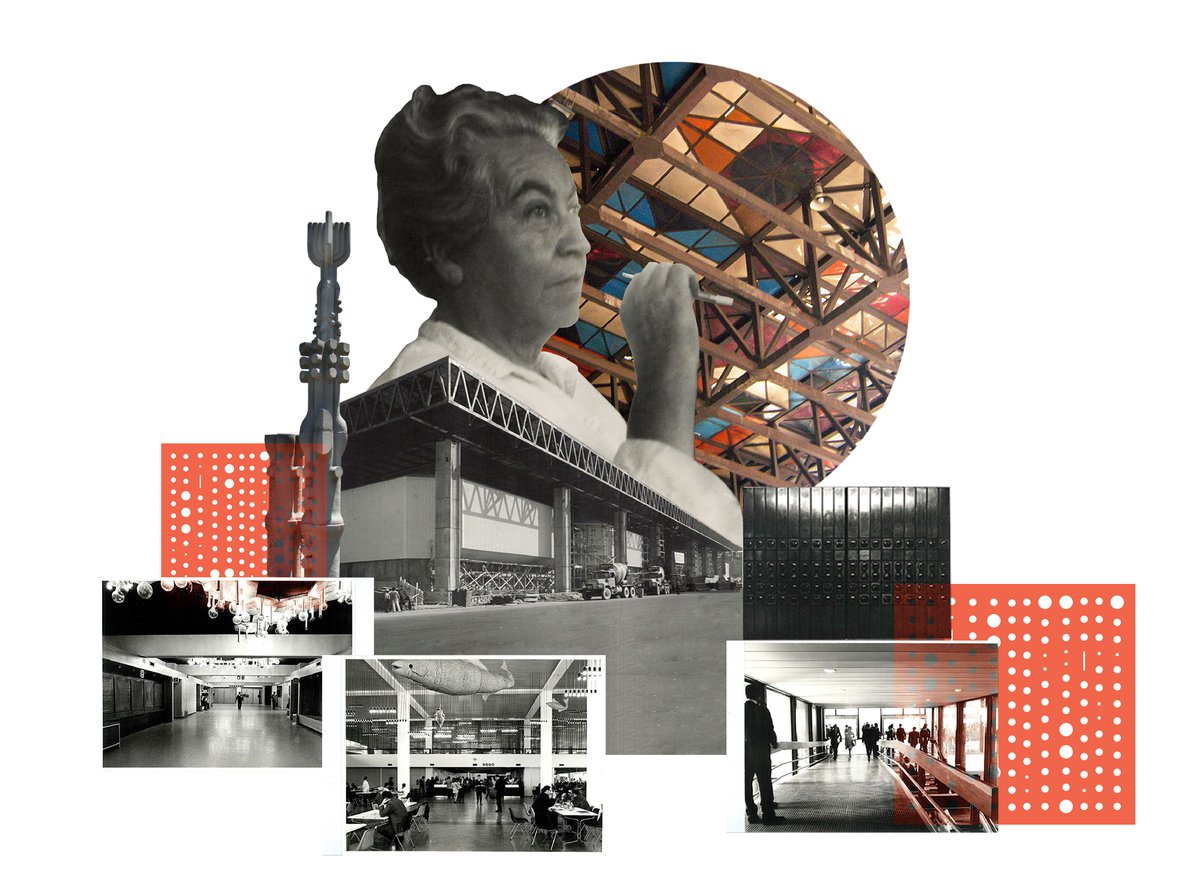
Image: María José Bunster
Mistral warned us all in prose like that that he hates quiet niches. In that same message he says that he does not want to be a painting nailed to the wall or a school brick, but rather to be able to sing at dawn or be the dust that children play with in the fields. “Opress me, undo me,” he adds. “And when you make any image of me, break it every moment,” he continues.
“Oppress me, undo me. And when you make any image with me, break it at every moment.”
— Gabriela Mistral.
Revealing this multifaceted Mistral, always alive and in constant construction and deconstruction, is what GAM has taken care of.
*Texts: extract from the book GAM 10 years