


Mistral Imaginary
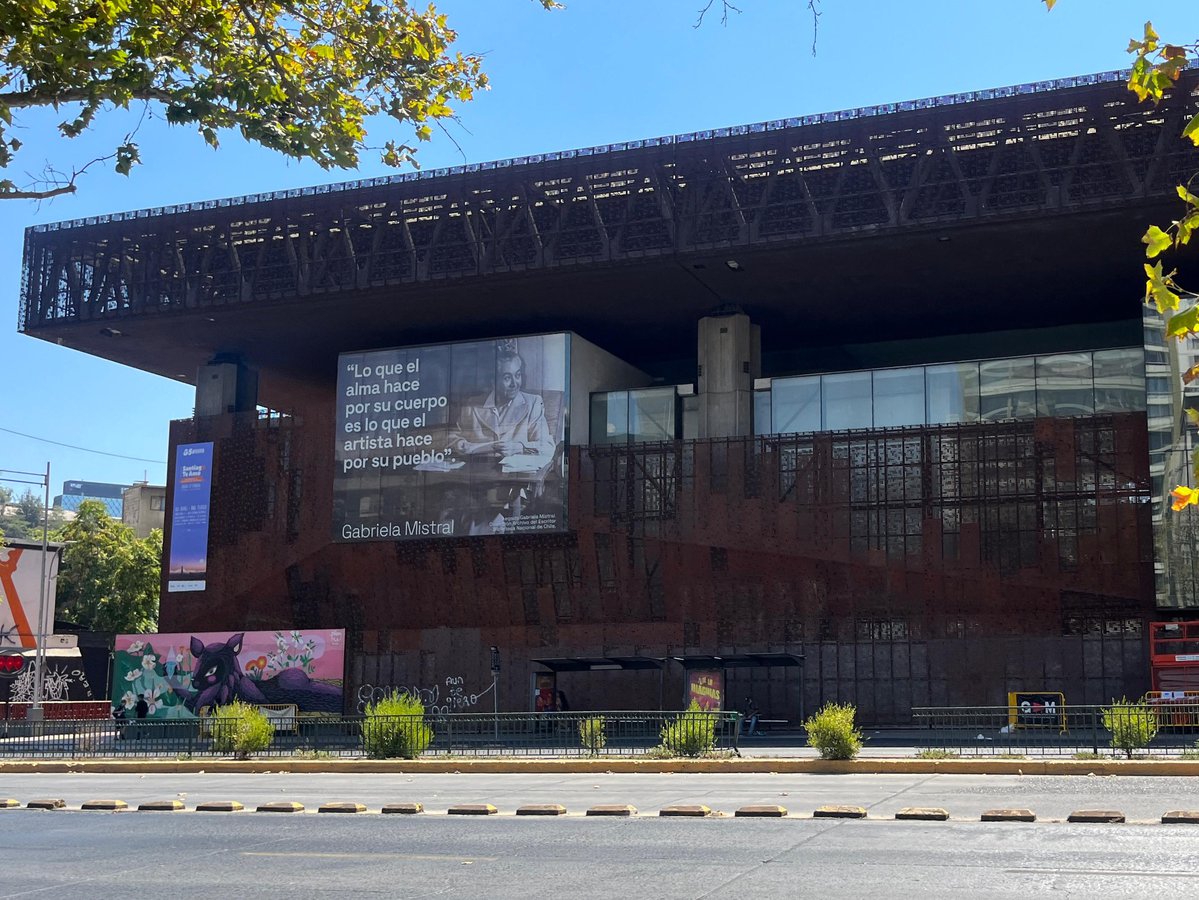
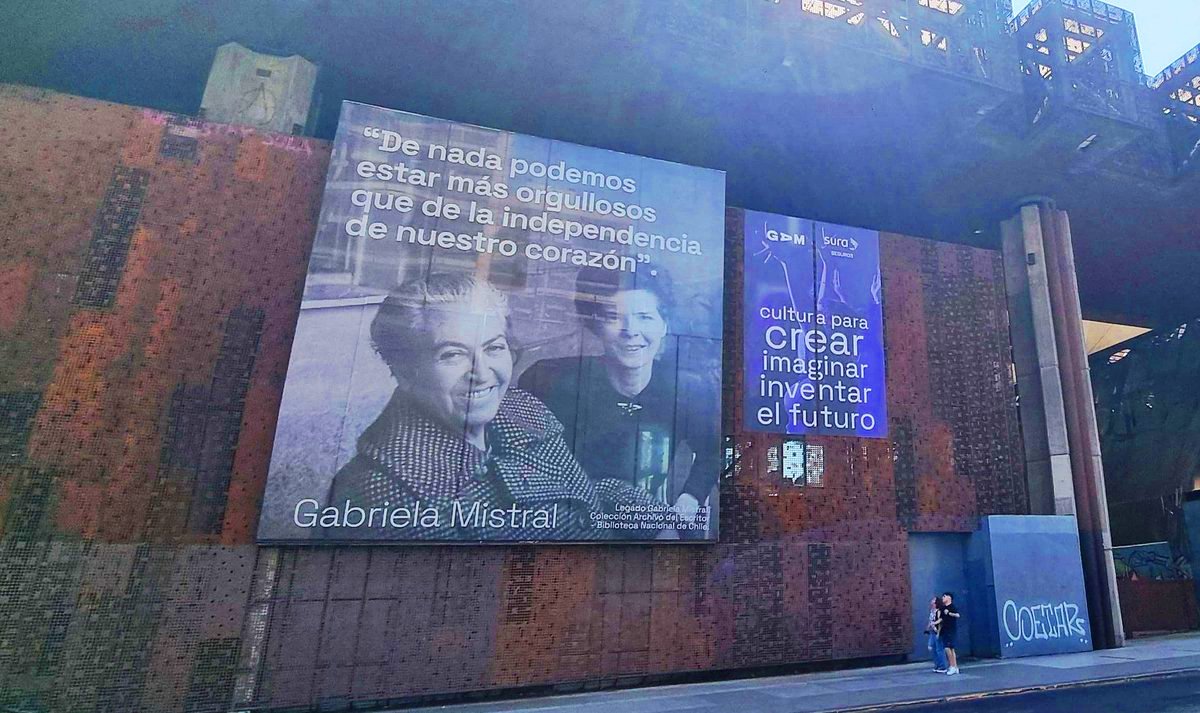
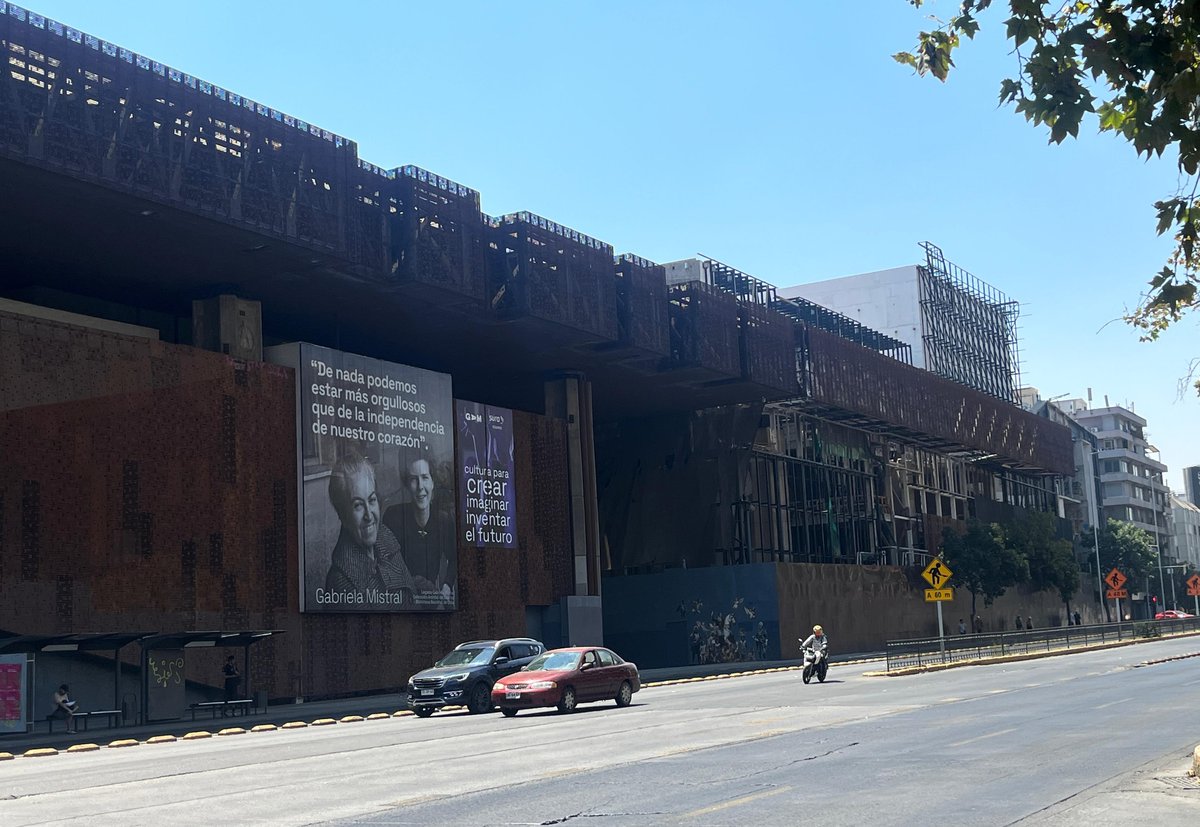
The figure and thoughts of Gabriela Mistral reemerge imposingly on the façade of GAM with two new gigantographs of one of Chile's main creators and thinkers.
With ideas about culture and diversity, the images of six meters each arrive to replace the one that existed since 2015 in one of the windows that overlooks the Alameda, precisely in the year 2025 in which the 80 years of his Nobel Prize in Literature and his first National Day, to be celebrated on April 7, are commemorated.
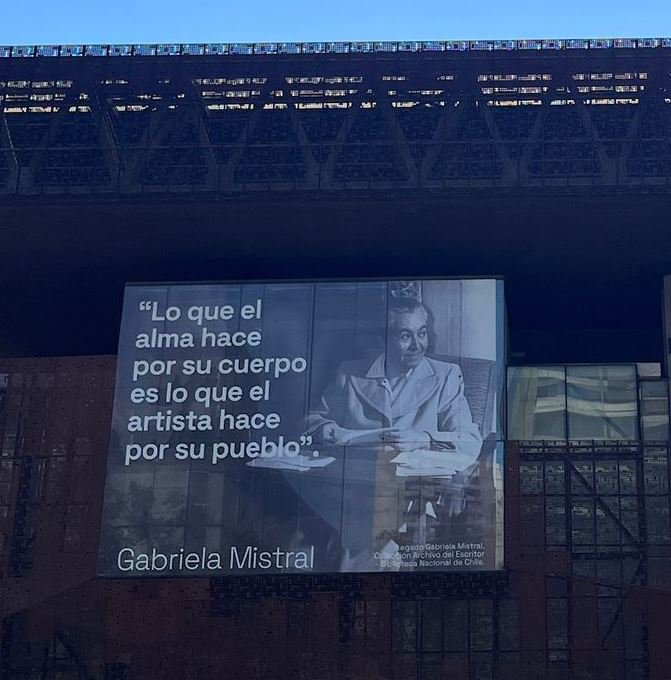
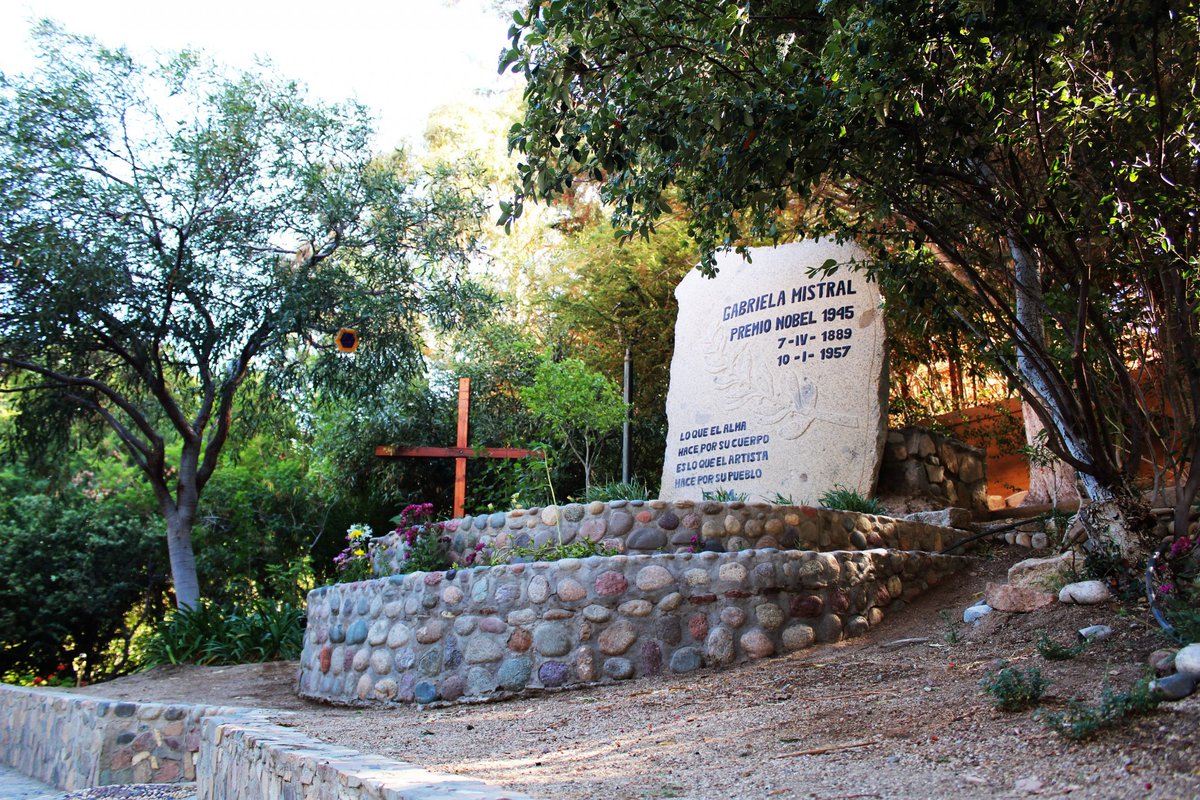
The first image belongs to the collection of the National Library, taken in Santa Barbara, California in 1948. Below the photograph, located in the west window of the building, it reads “What the soul does for its body is what the artist does for its people”, a phrase transmitted orally by Mistral herself to the artist Laura Rodig. The prayer transcended time, thanks to the fact that the sculptor remembered it and wrote in a telegram sent to Mistral to congratulate her on the Nobel Prize in Literature, in November 1945. Furthermore, at the initiative of Rodig herself, the sentence was carved on the tombstone of Montegrande de Gabriela, located in the Coquimbo region.
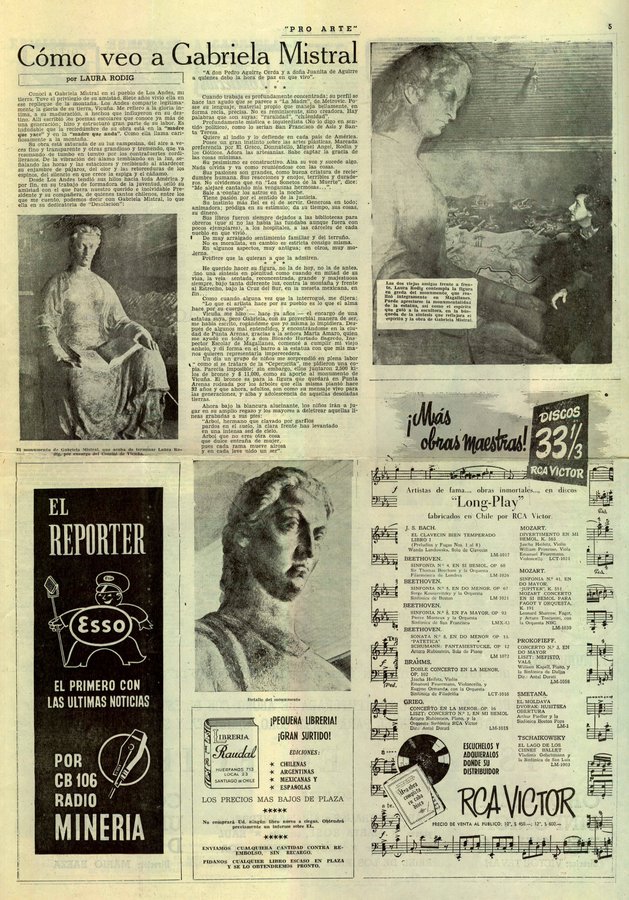
Years later, the sculptor revived this Mistralian thought in the article written and signed by her in the magazine "Pro Arte" of La Nación, in August 1951, on the occasion of a monumental sculpture in clay that she made of Gabriela on behalf of the Vicuña Committee: “I wanted to make her figure, not today's, not before, but a synthesis in fullness as when in the middle of her life, I saw her sitting, refocused, large and always majestic... Like when I once questioned her, she told me: "what the artist does for his people is what the soul does for his body," the artist published.
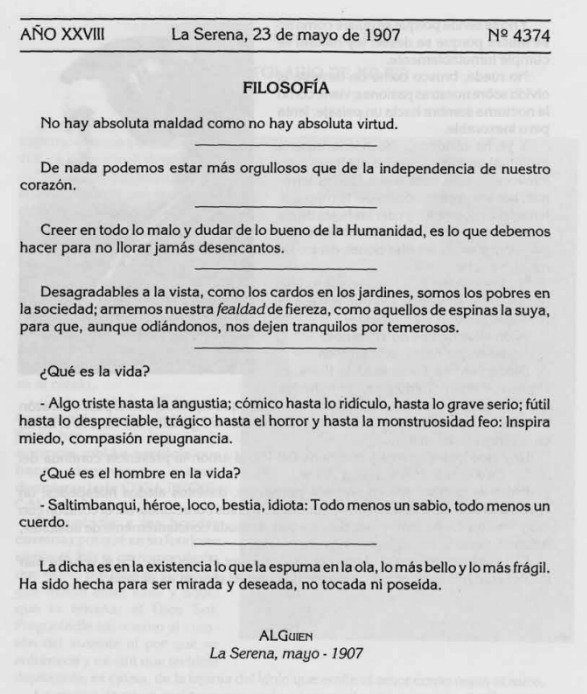
The second image that pays homage to Mistral on the façade of GAM (building B, east window) shows her next to Doris Dana and also belongs to the collection of the National Library. It was taken in Rapallo, Italy in 1951 or 1952. The phrase on the crown says: “We can be prouder of nothing than the independence of our hearts.”
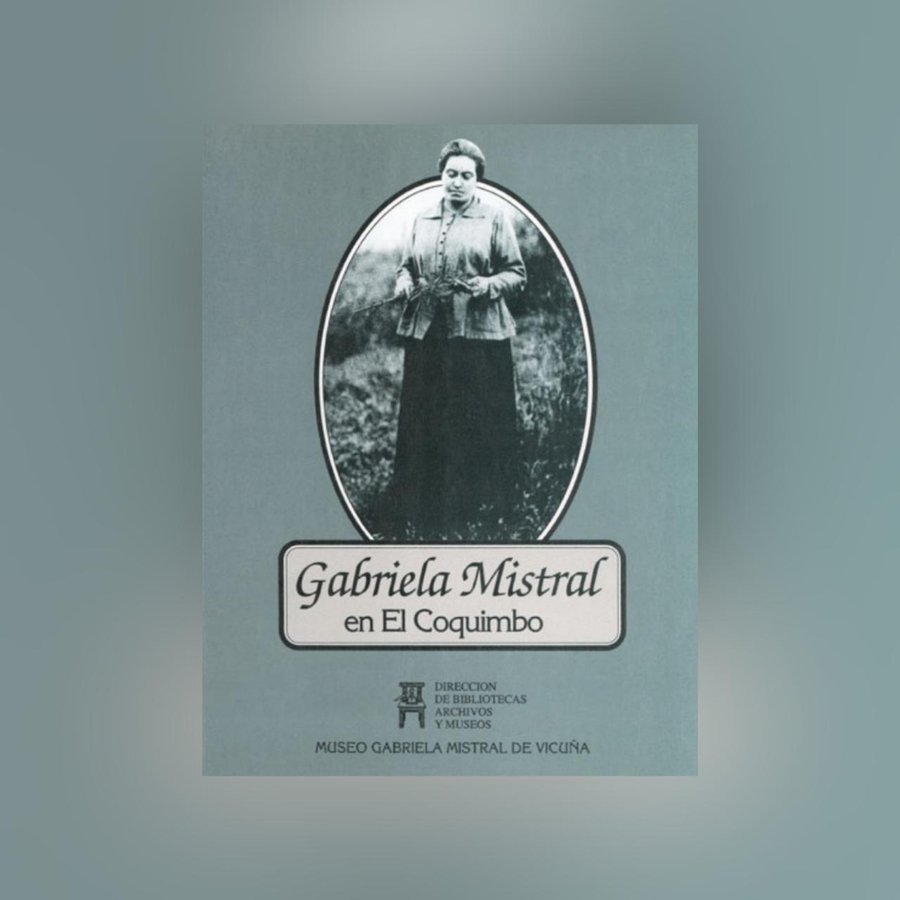
Mistral herself wrote it in the newspaper El Coquimbo in 1907, under the pseudonym "Somebody."
Before the social movement that broke out in October 2019, #ManifiestoGAM was installed on the façade of the building, a photographic montage led by Gabriela Mistral that fantasized about cultural figures demonstrating in support of the feminist struggle. The mural sought to portray how the discourse of the marching citizens dialogues with the cultural center's programming. In this way, real phrases from demonstrations such as “sorry for the inconvenience, but they are murdering us” appeared alongside statements by cultural figures such as Mistral who said “my indigenism made me hateful,” and were joined with quotes from GAM works, for example one by Mistral, Gabriela (1945): “In Chile the highest art is playing dumb.”
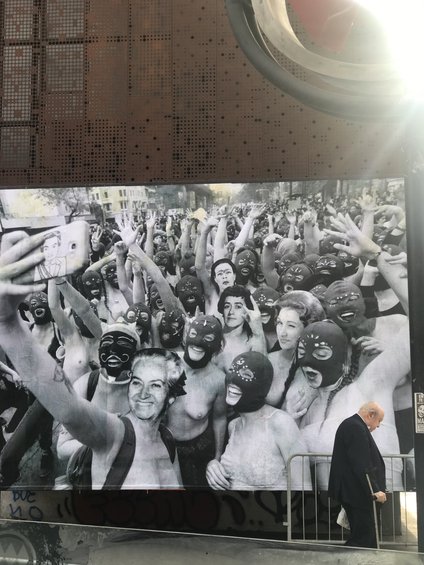
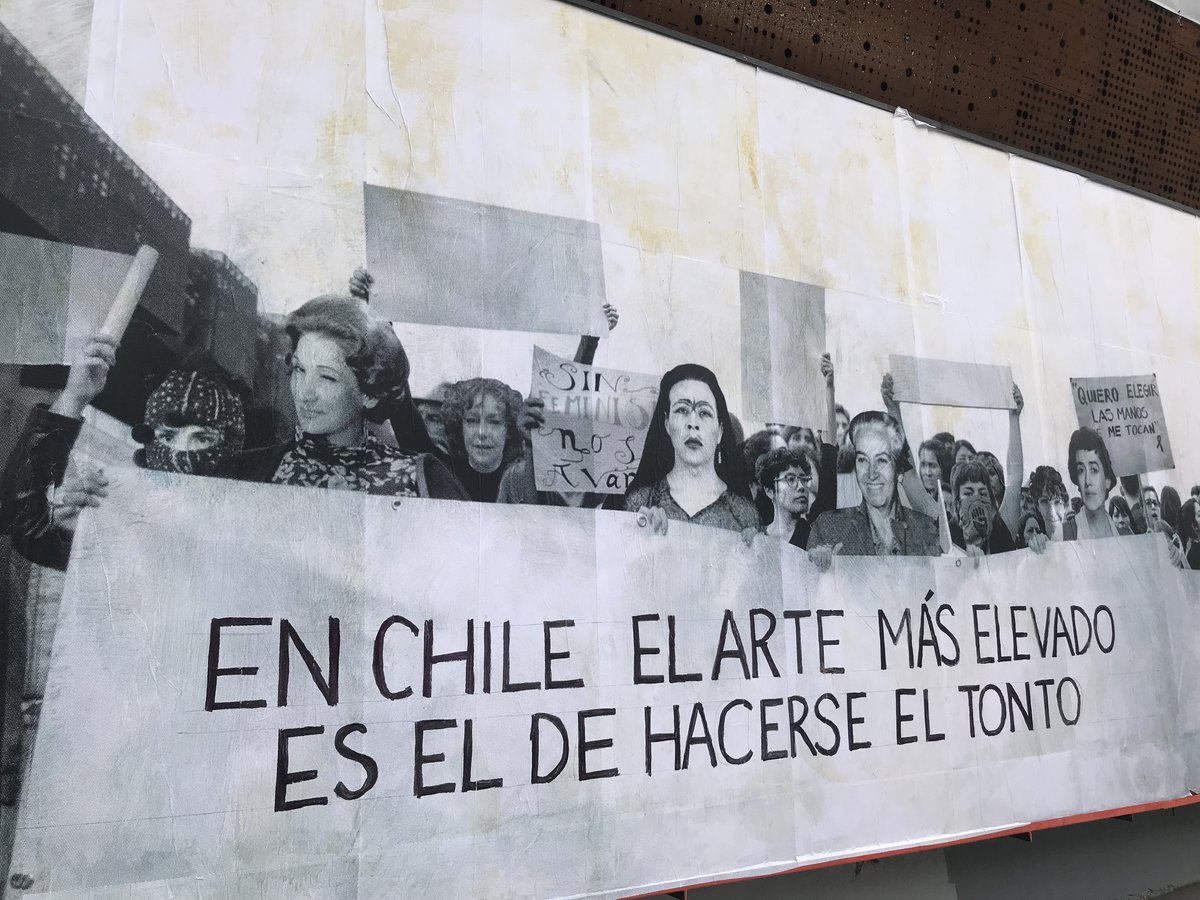
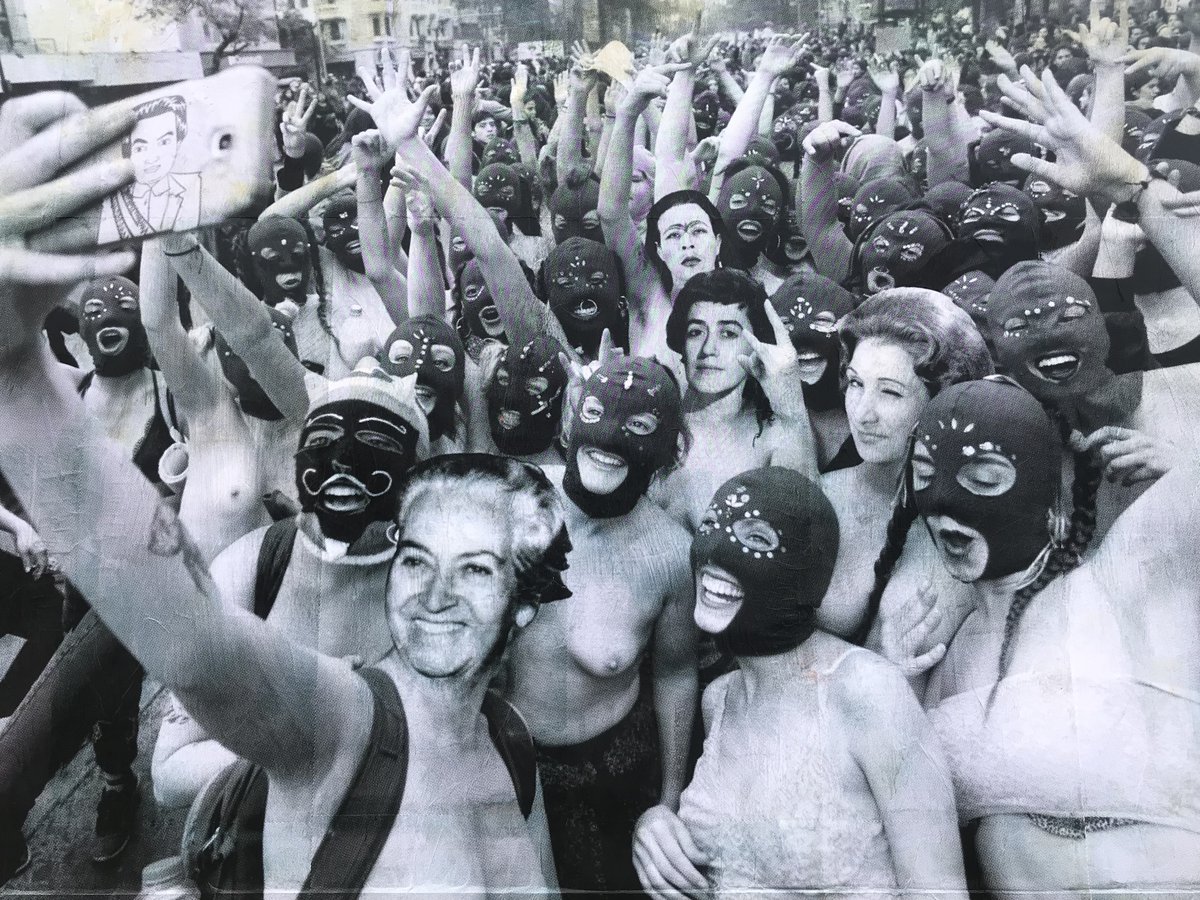
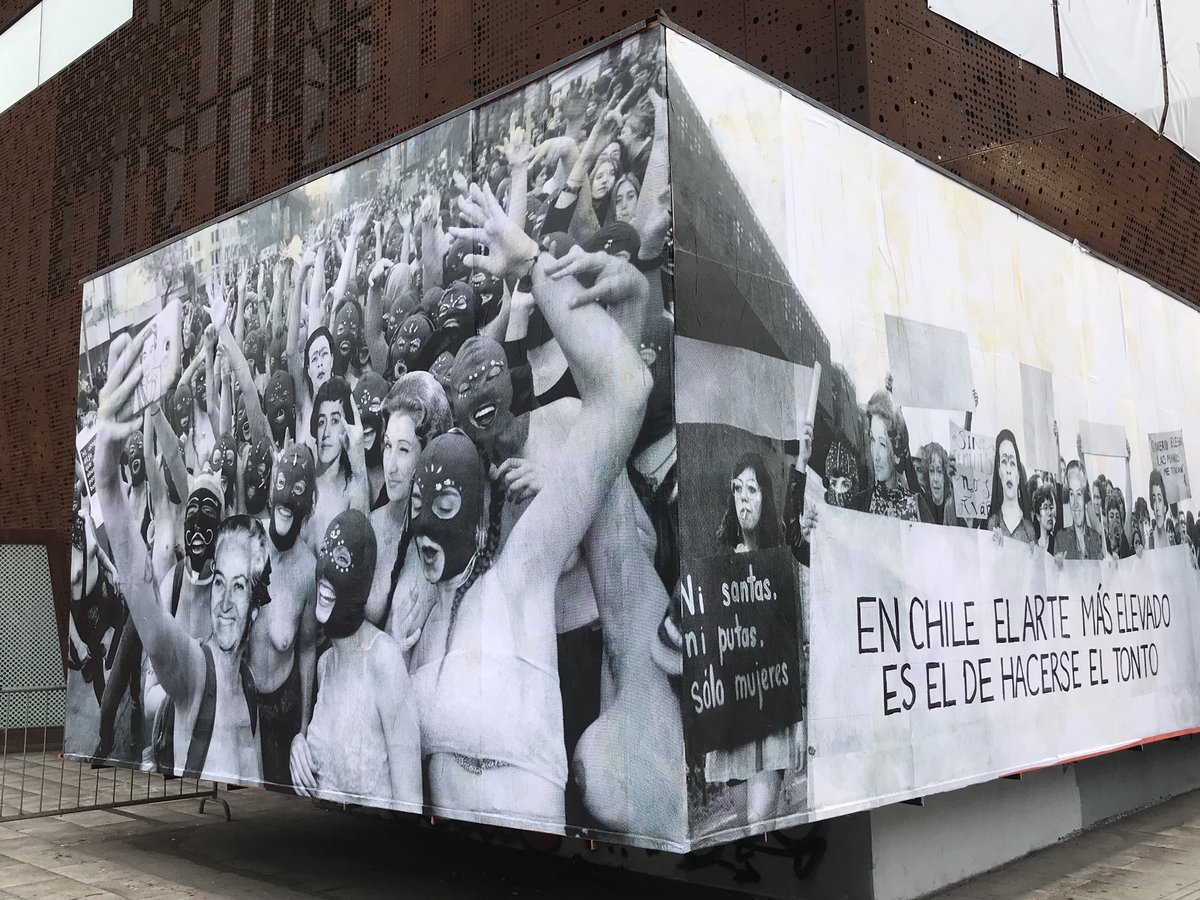
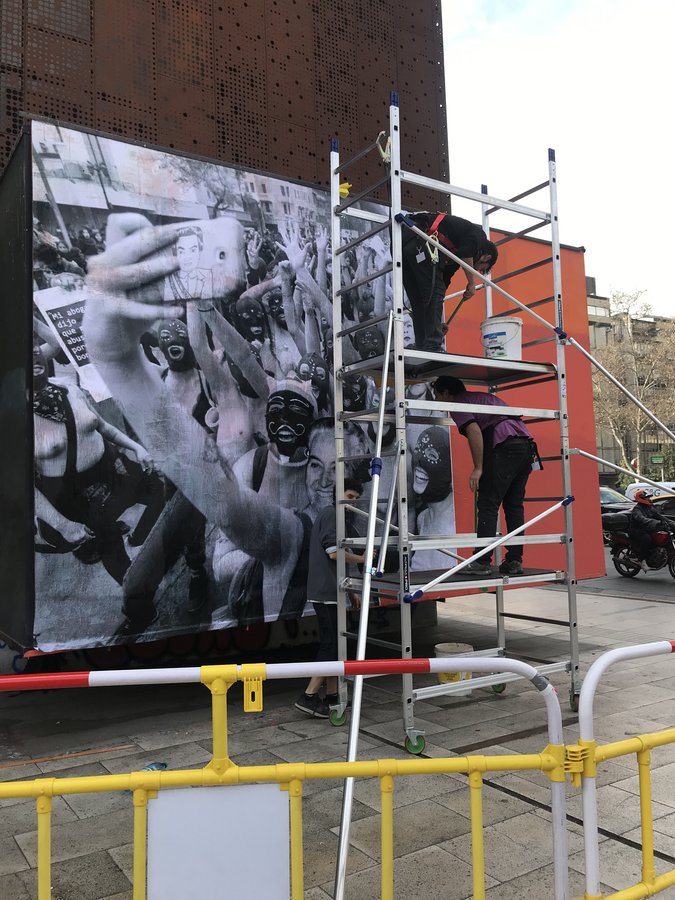
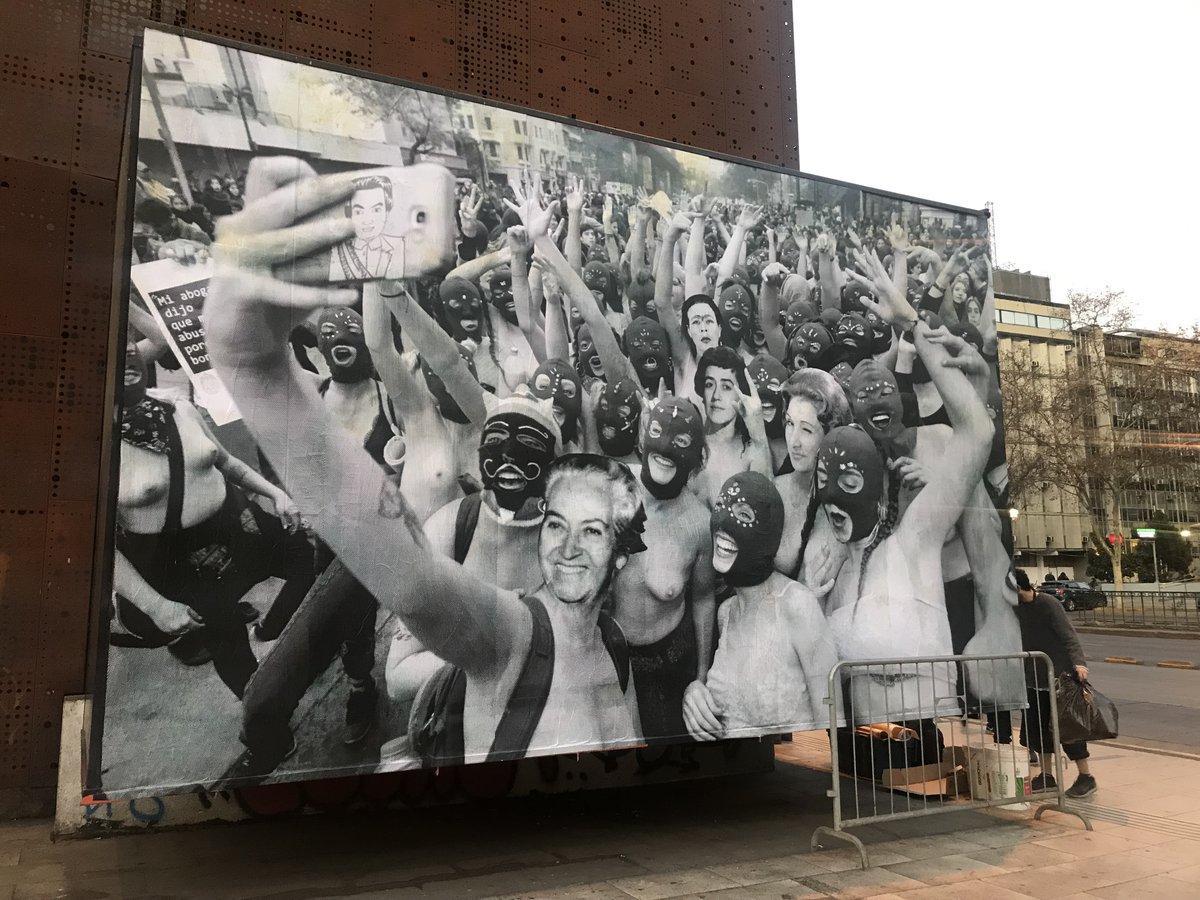
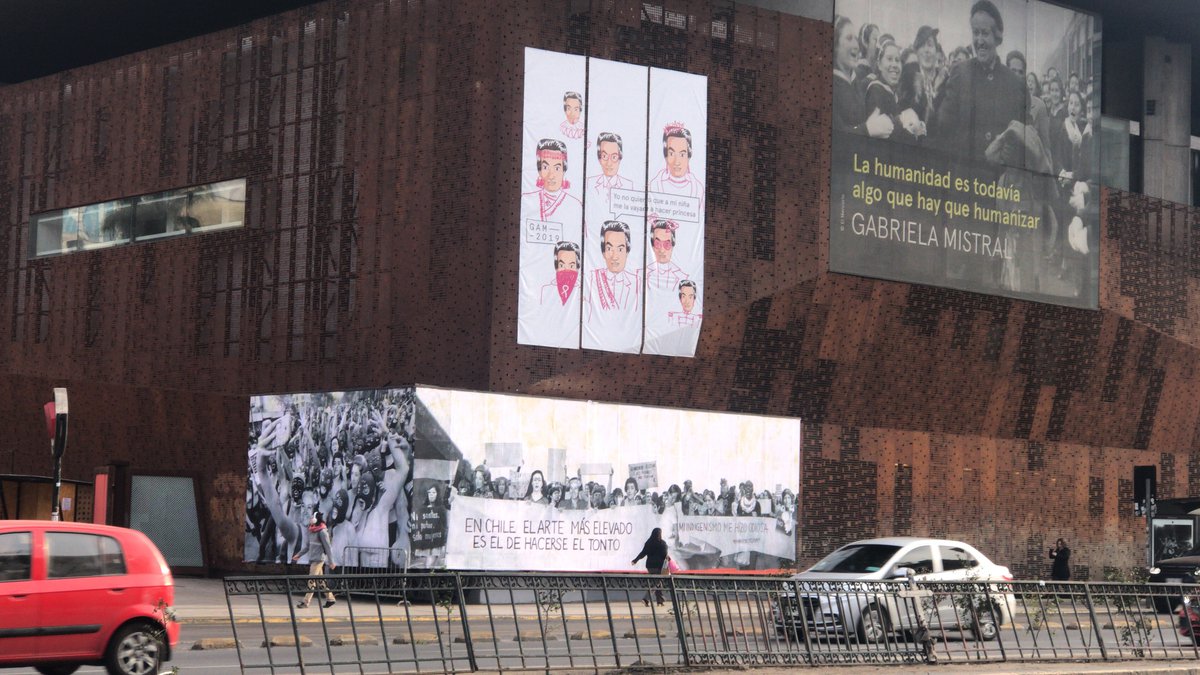
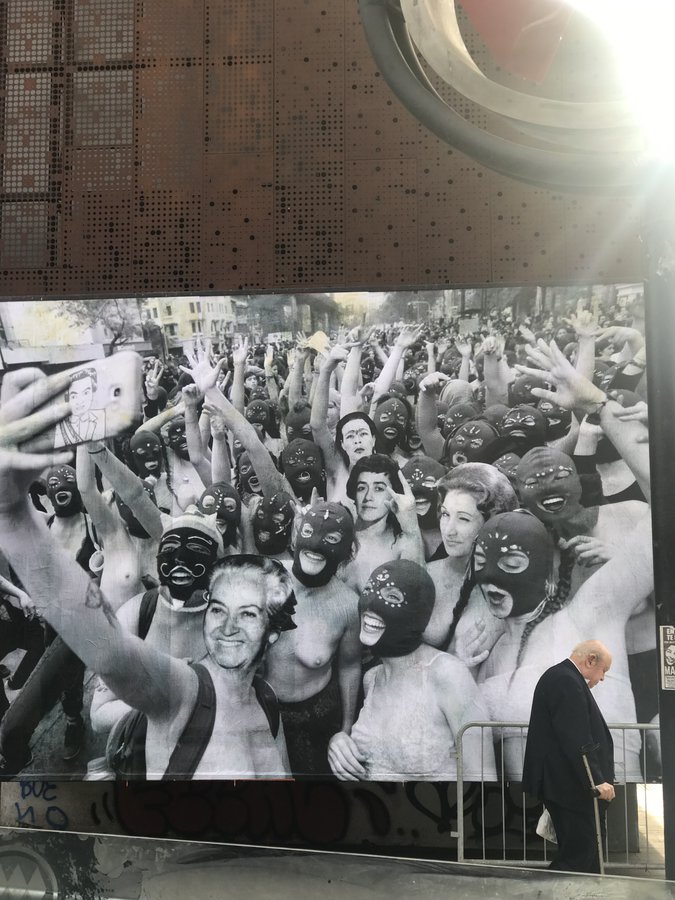
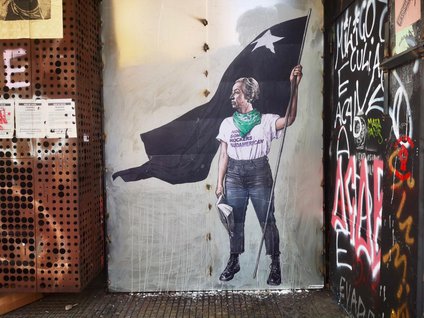
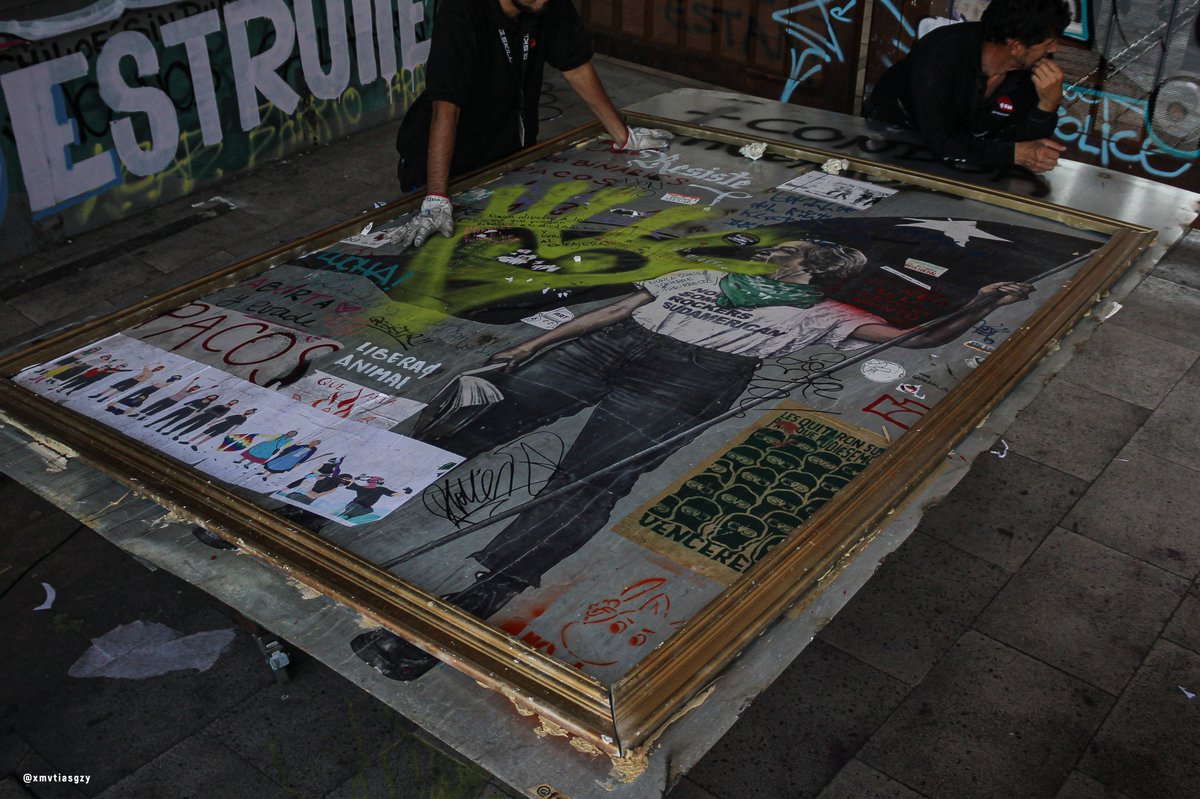
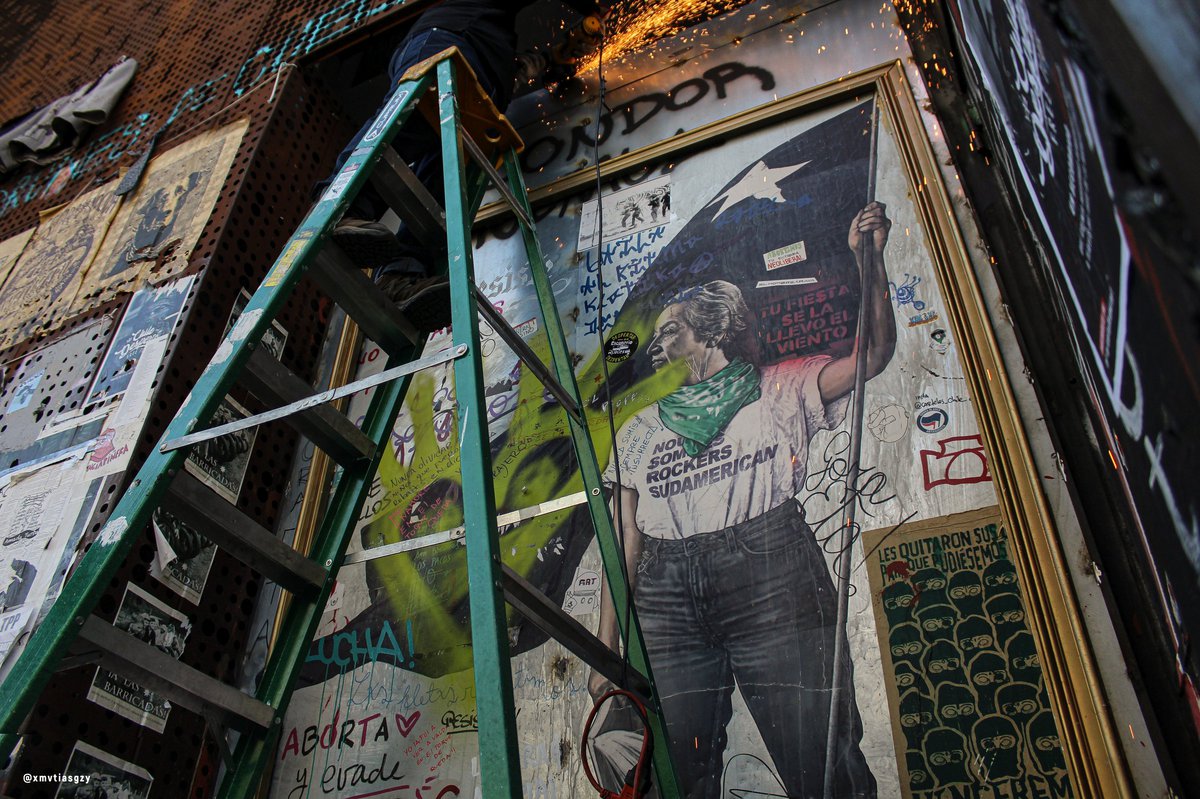
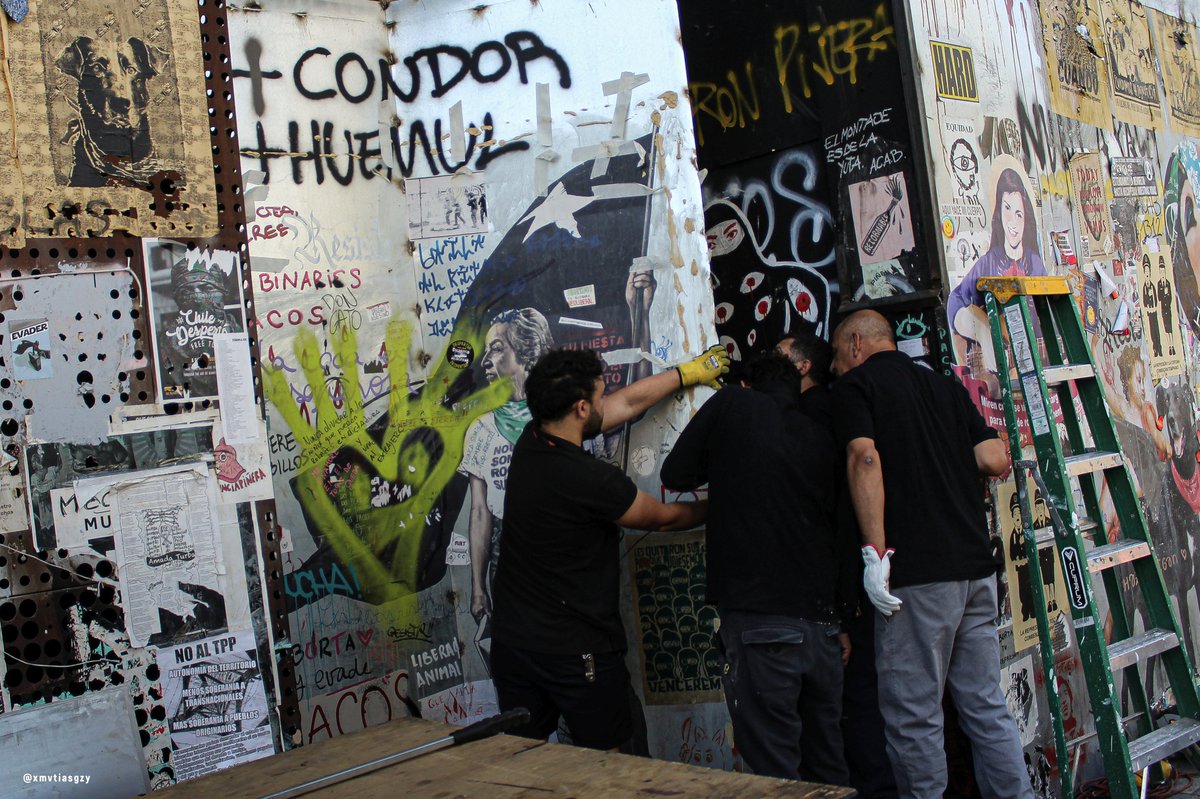
Shortly after the outbreak, #ManifiestoGAM disappeared from the facade and was spontaneously replaced by countless artistic expressions of citizens. One of them was a Gabriela Mistral created by the artist Fab Ciraolo, which showed her wearing boots, jeans, a T-shirt, a green scarf and holding the black flag that was repeated in the marches. But on the morning of February 19, 2020, GAM's façade appeared covered in paint, so the mural was removed to restore and preserve it.
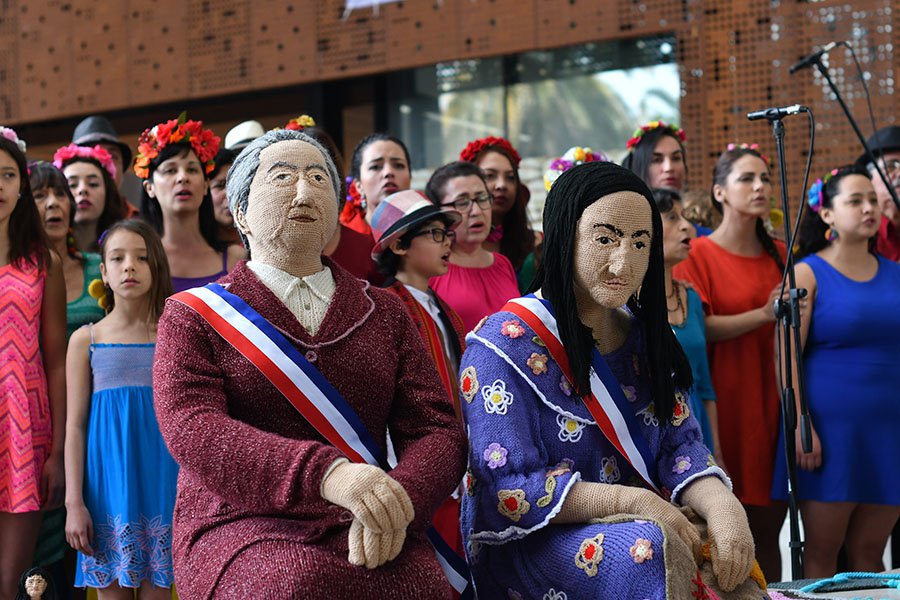
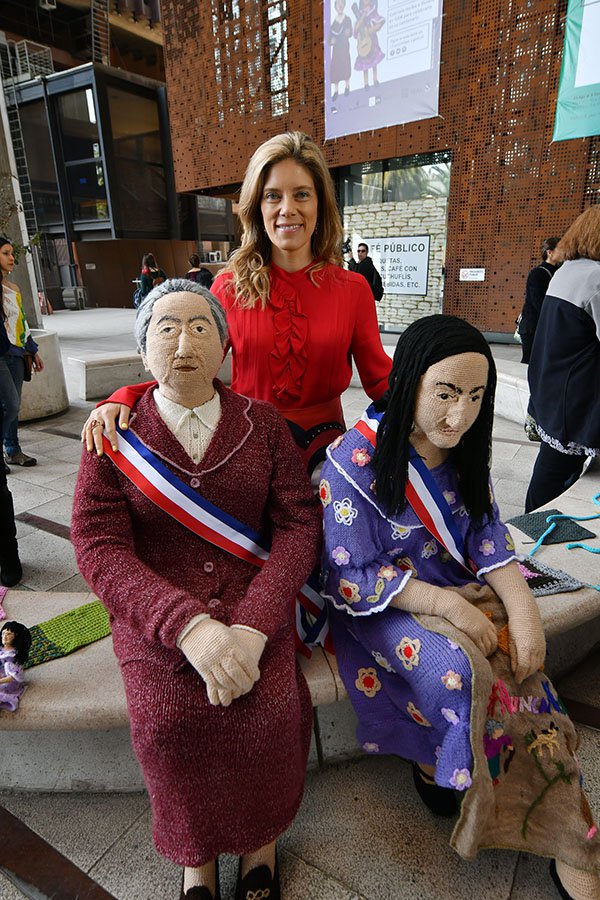
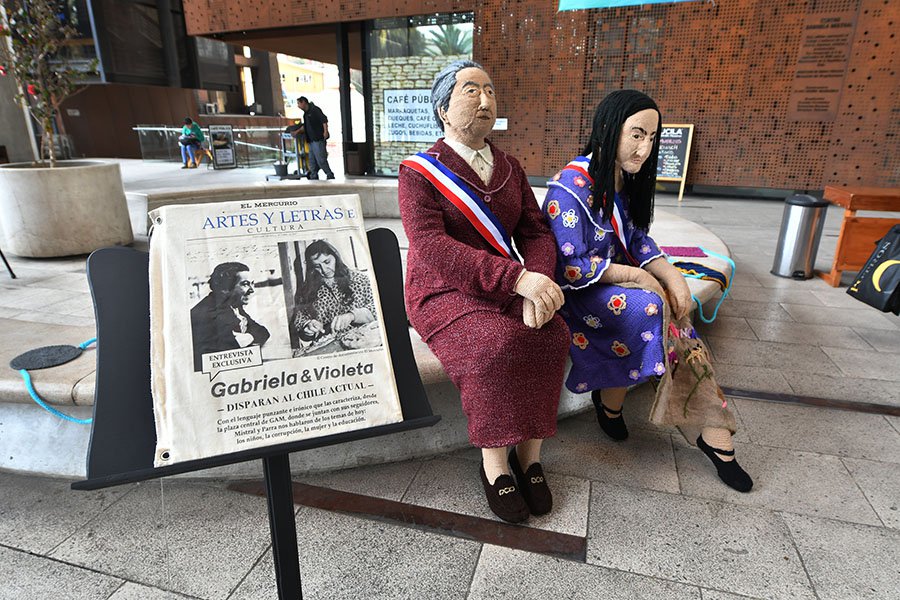
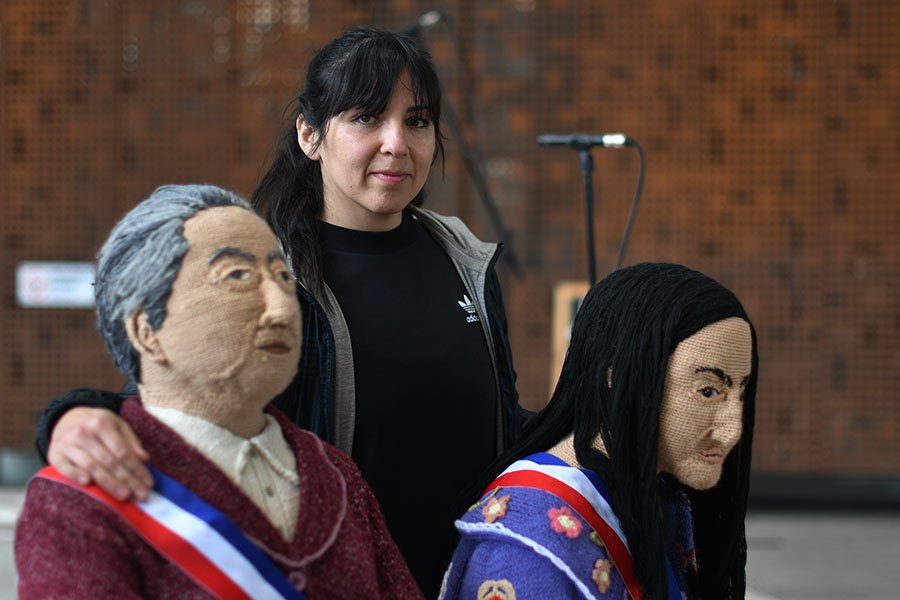
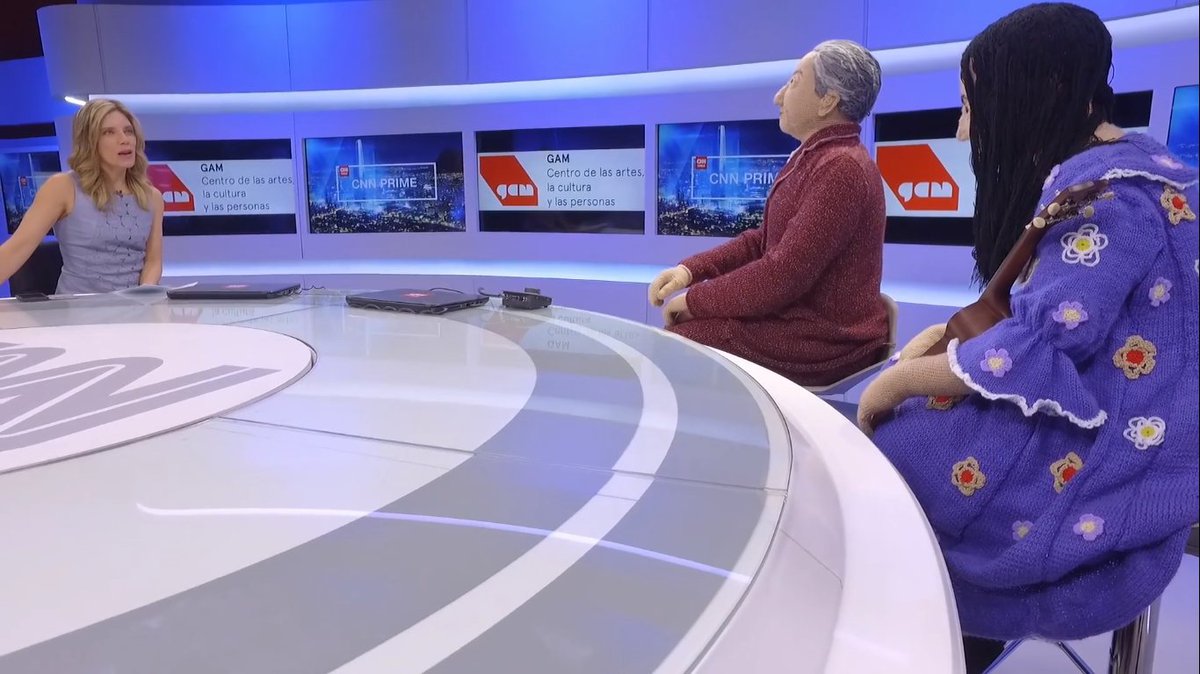
In 2017, Gabriela Mistral hosted Violeta Parra on Gabriela & Violeta,the GAM campaign that celebrated the singer-songwriter's centenary. For months, wool dolls recreating the artists in life size, woven by Macarena Ahumada, were installed in the building. The dolls welcomed the building and displayed a selection of their quotes on a burlap Arts and Letters. The campaign included a web series that allowed Mistral and Parra's social thinking to enter into dialogue with the present, through the selection of their phrases or their works. Childhood, gender violence, inequality, discrimination were some of the topics they addressed. The series even made it to CNN Chile, where the dolls were interviewed by Mónica Rincón, and was broadcast on Metro TV.
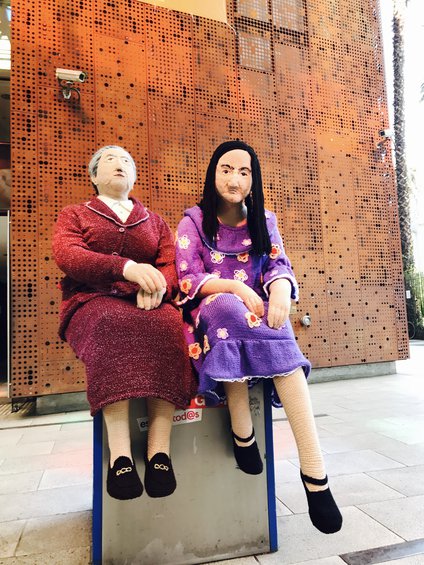
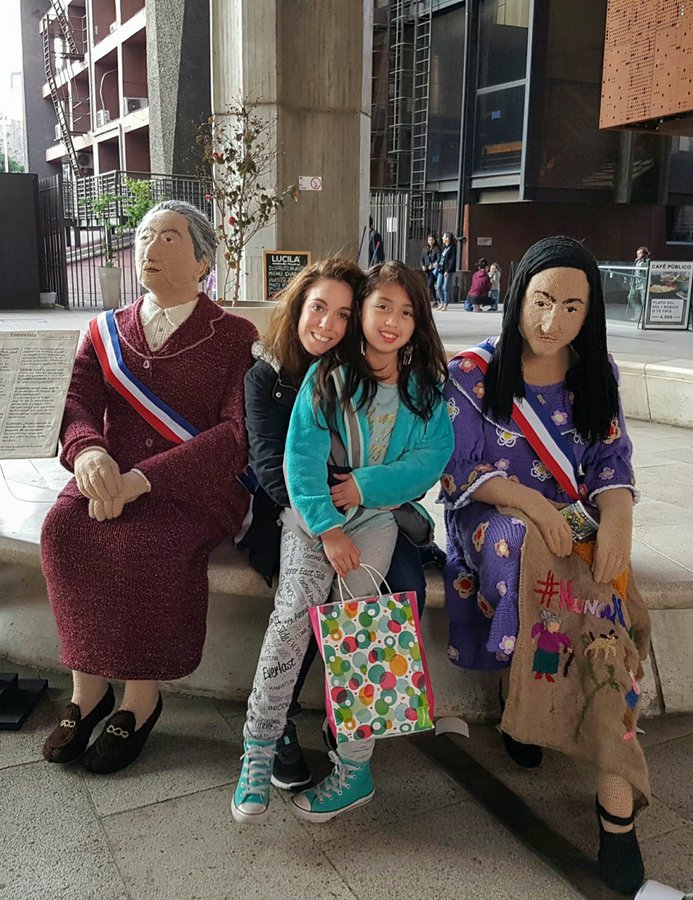
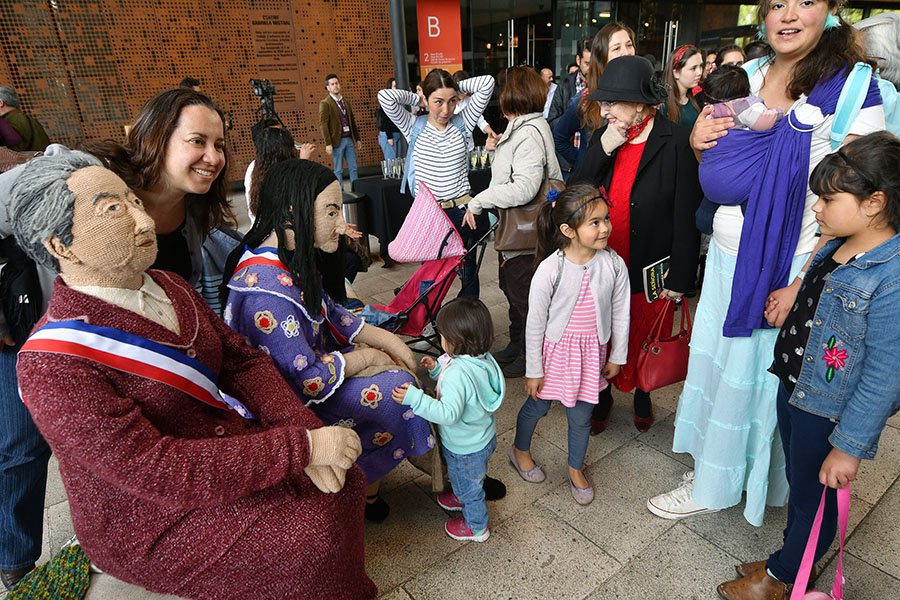
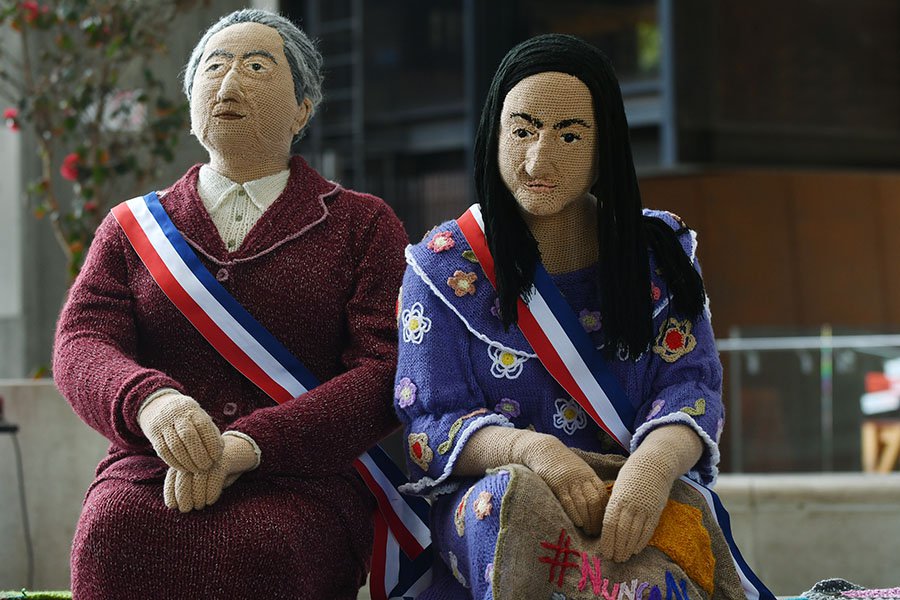
Mistral has also been the face of different campaigns at the cultural center. It was the image of the 2019 programming, with a renewed, multifaceted and current aesthetic. Her face was drawn multiple times along with elements that transformed her into a president, a Mapuche woman or a hero of the country, and that brought her to the present by showing her, for example, with a smartphone. All this accompanied by his verse: “I don't want them to make my girl a princess,” translated into Mapuzugun and Creole. Mistral was also the face of the GAM campaign at home, in the context of the covid-19 quarantine.
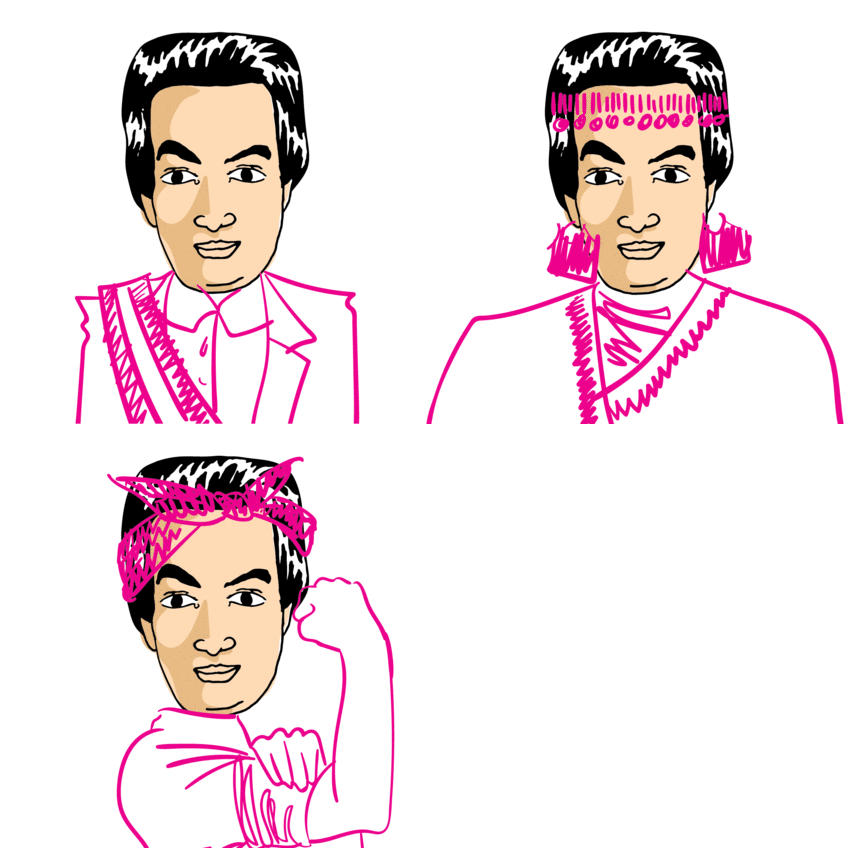
Photo credits Gabriela Mistral: San Francisco Museum, Franciscan Fund, Sister Gabriela Mistral/ El Mercurio/ stills from the film Locas mujeres by María Elena Wood.