


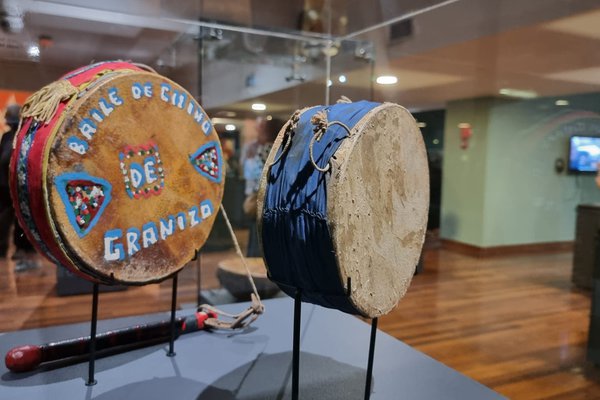
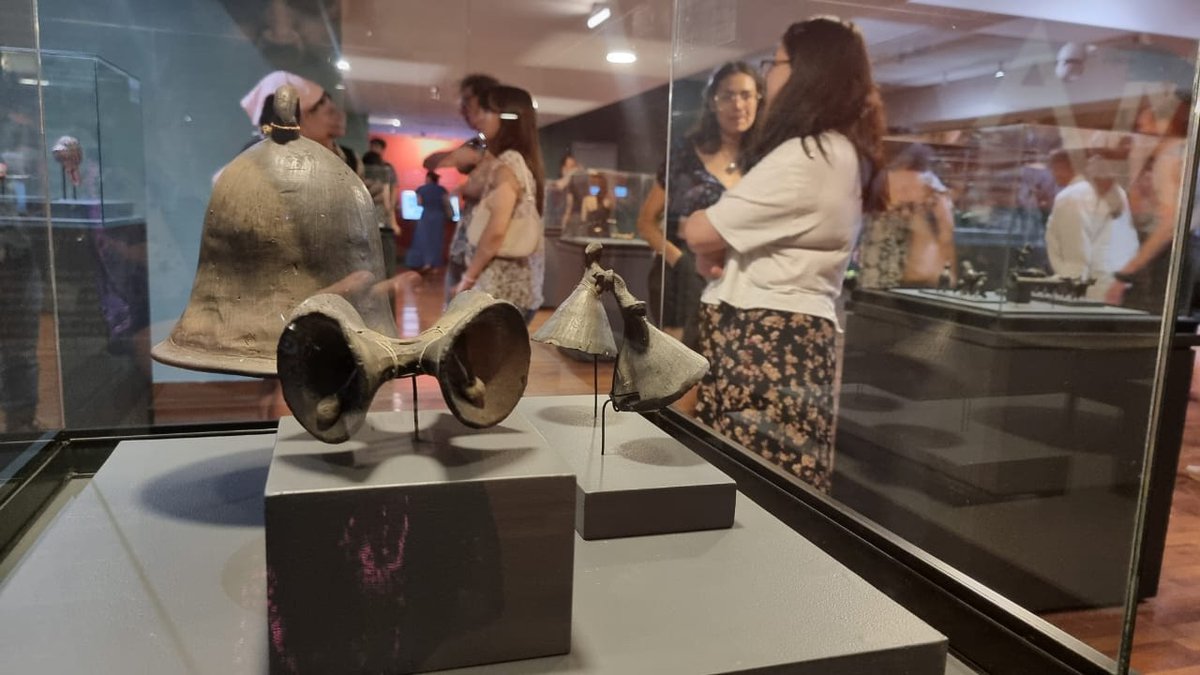
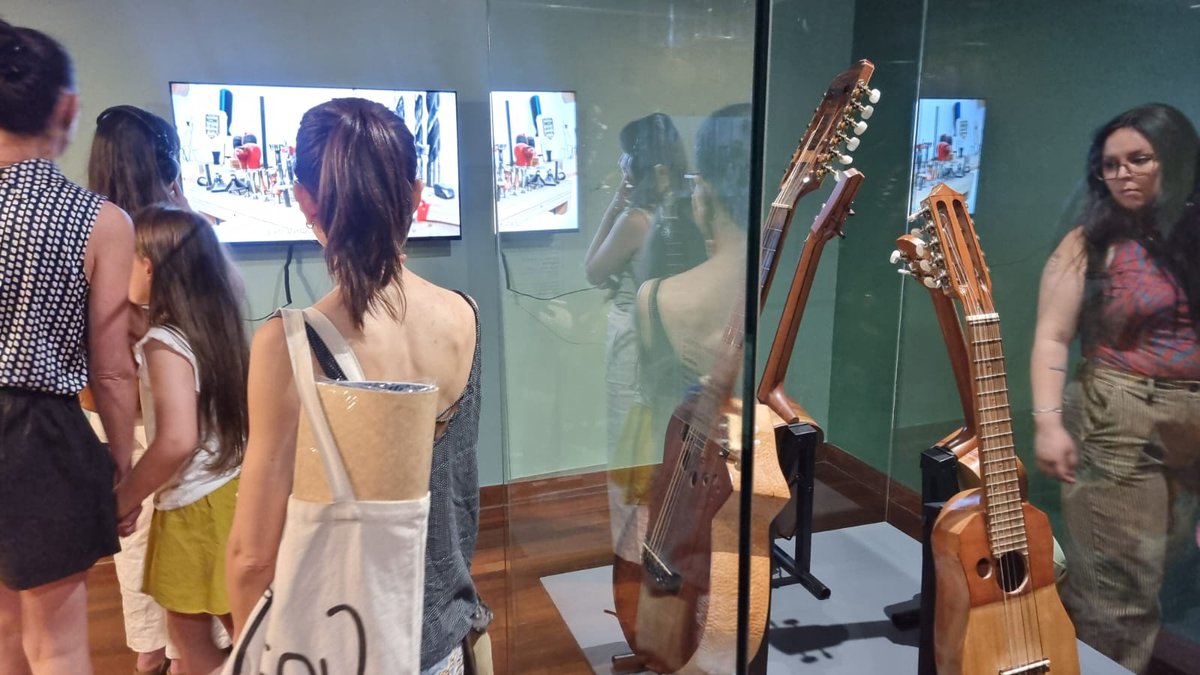
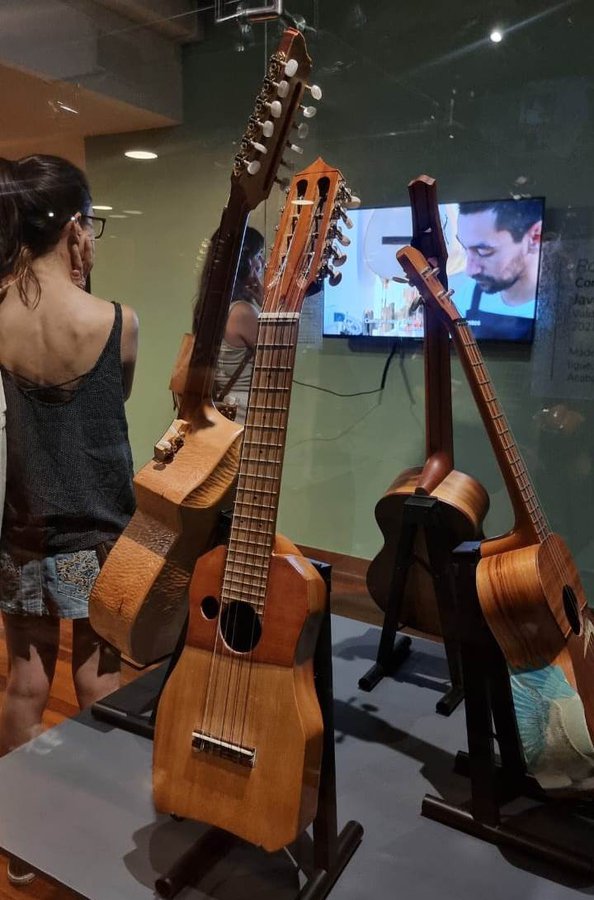
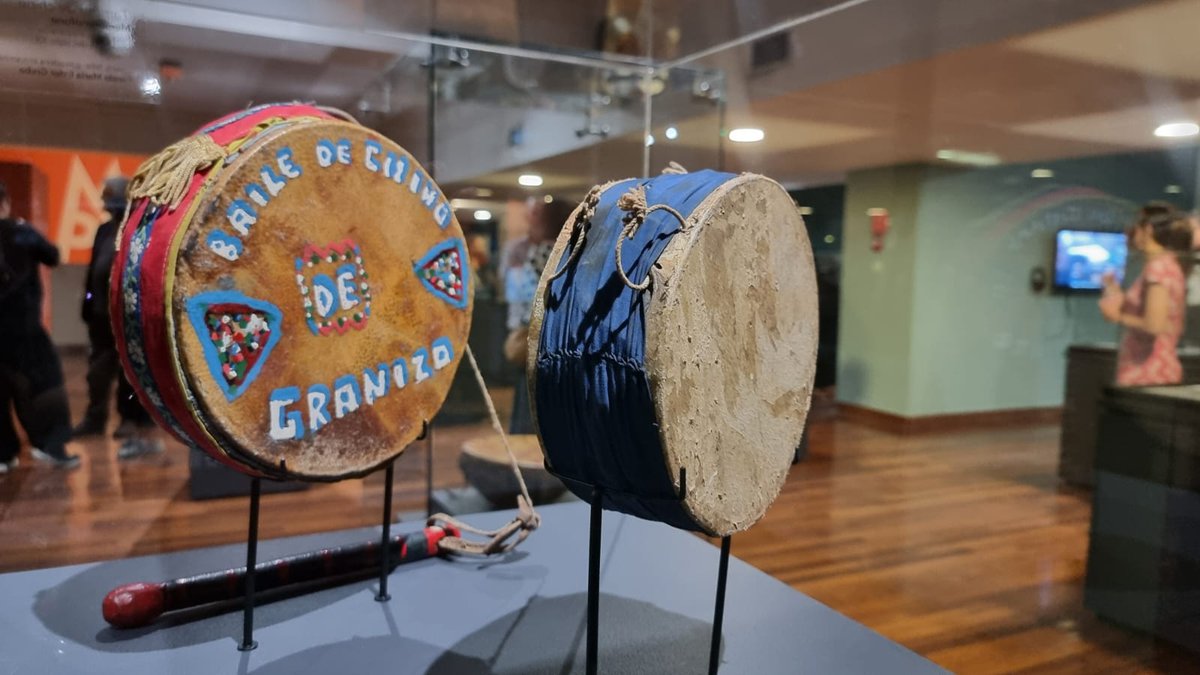
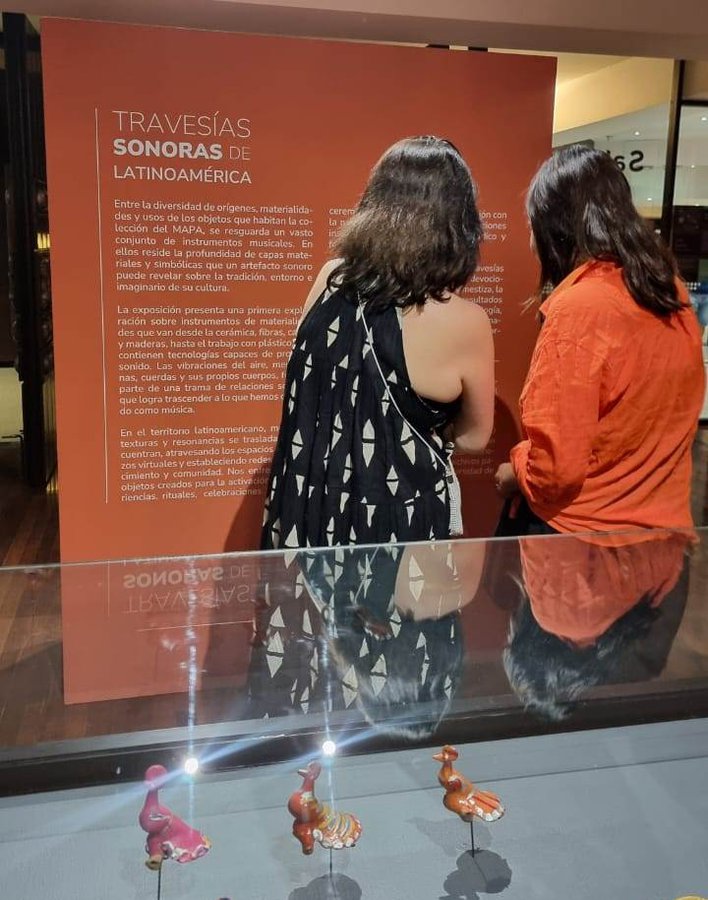
For the first time, the MAPA Room exhibits Latin American instruments, addressing the musical materiality of the continent, such as Andean winds, ceramic whistles from Central America, as well as works by national master luthiers.
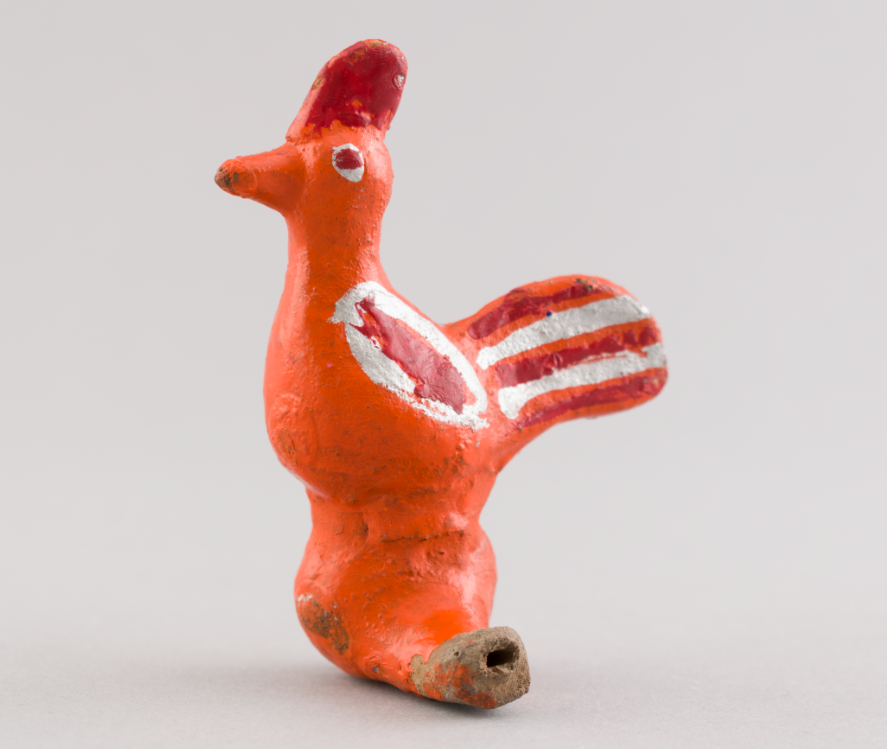
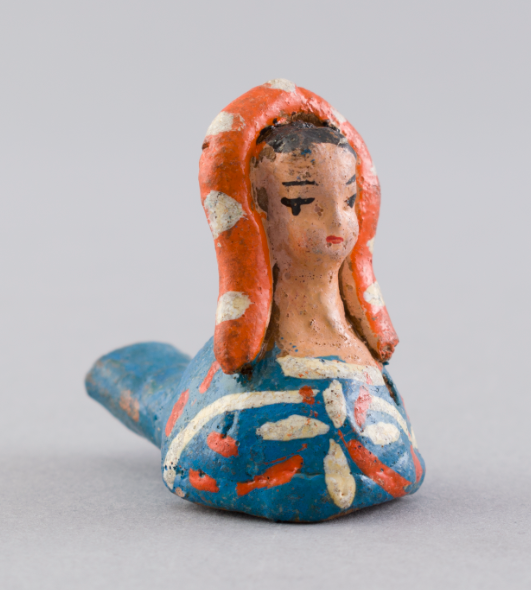
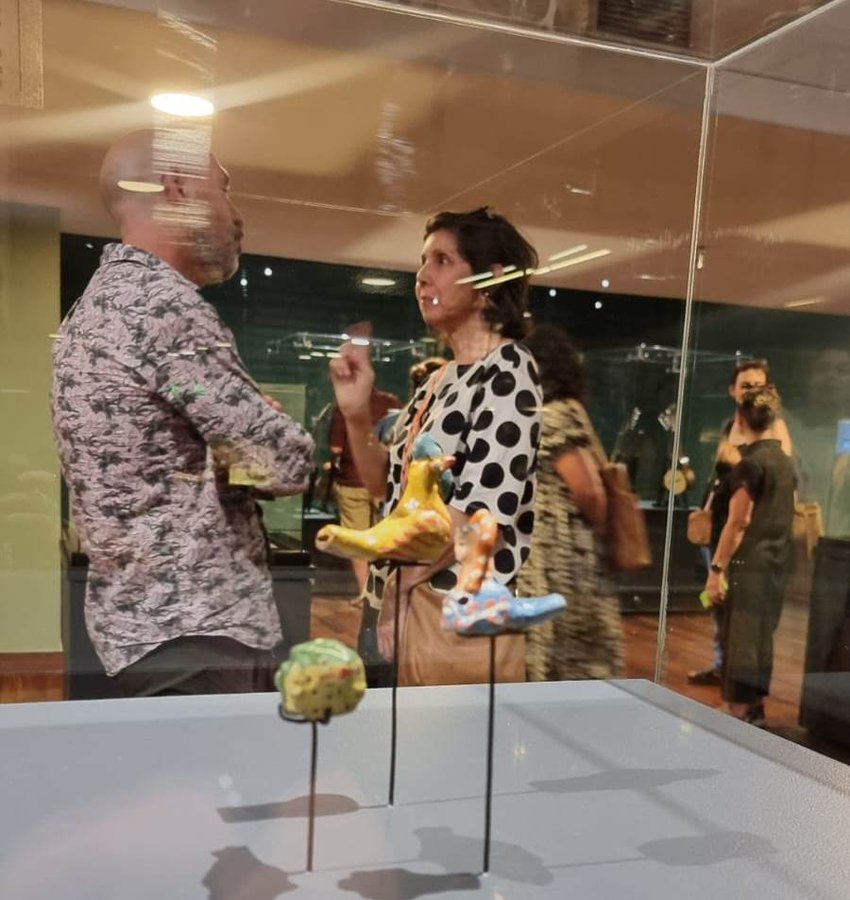
The exhibition presents a rich diversity that includes Andean winds such as Chinese flutes, Mapuche pifüllka, sikus, lakas, tarkas and pinkuyllos, small ceramic whistles from Central America, rattles, bells, maracas, and works by national master luthiers, making up a tour of the Latin American territory and an exploration of a vast set of instruments. Collections that belong to the museum and the María Ester Grebe Fund of the Department of Anthropology of the Faculty of Social Sciences of the same institution.
"It is also the first time that we approach part of our collection from other disciplines, such as anthropology, physical sciences, sound engineering, media arts, as well as with the collaboration of cultists, musicians and researchers who come from other fields of knowledge and different cultures. We were working collaboratively and constantly for more than eight months looking for new ways of working that result in a sample that can be appreciated not only with the sense of sight, but through an experience immersive,” explains the museum director, Constanza Urrutia.
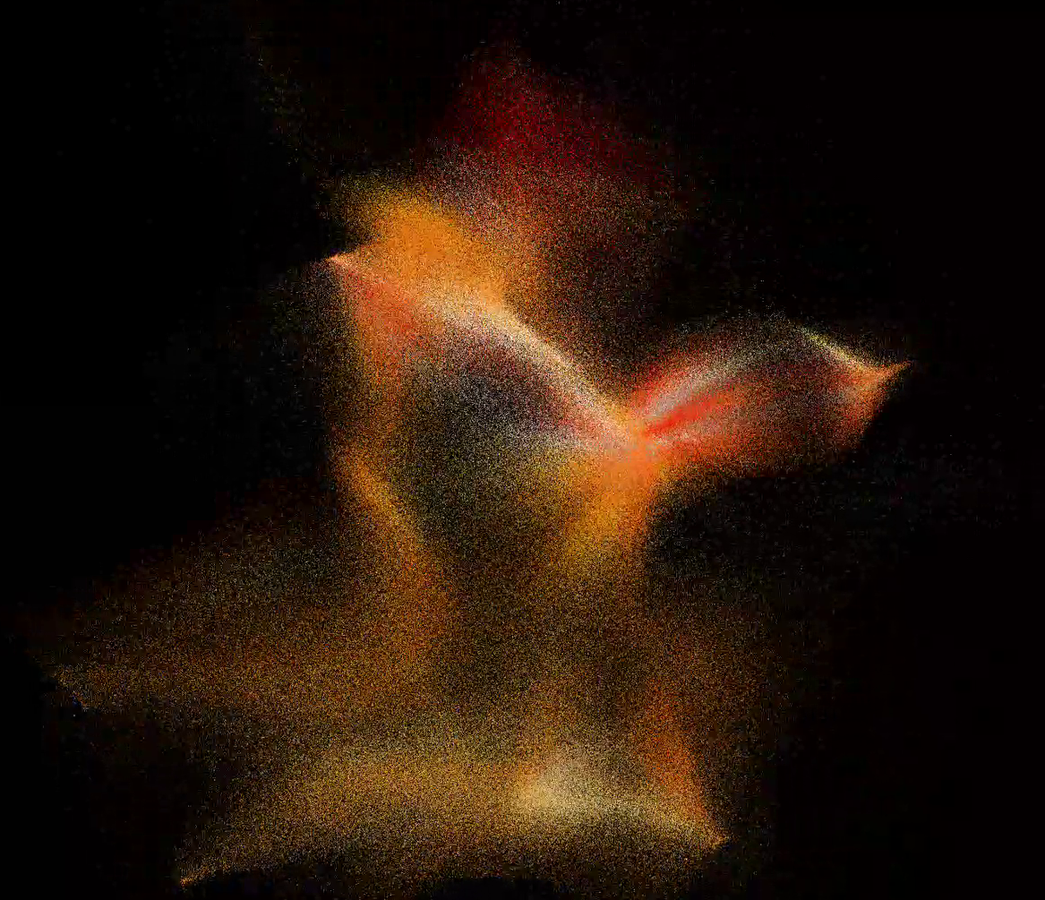
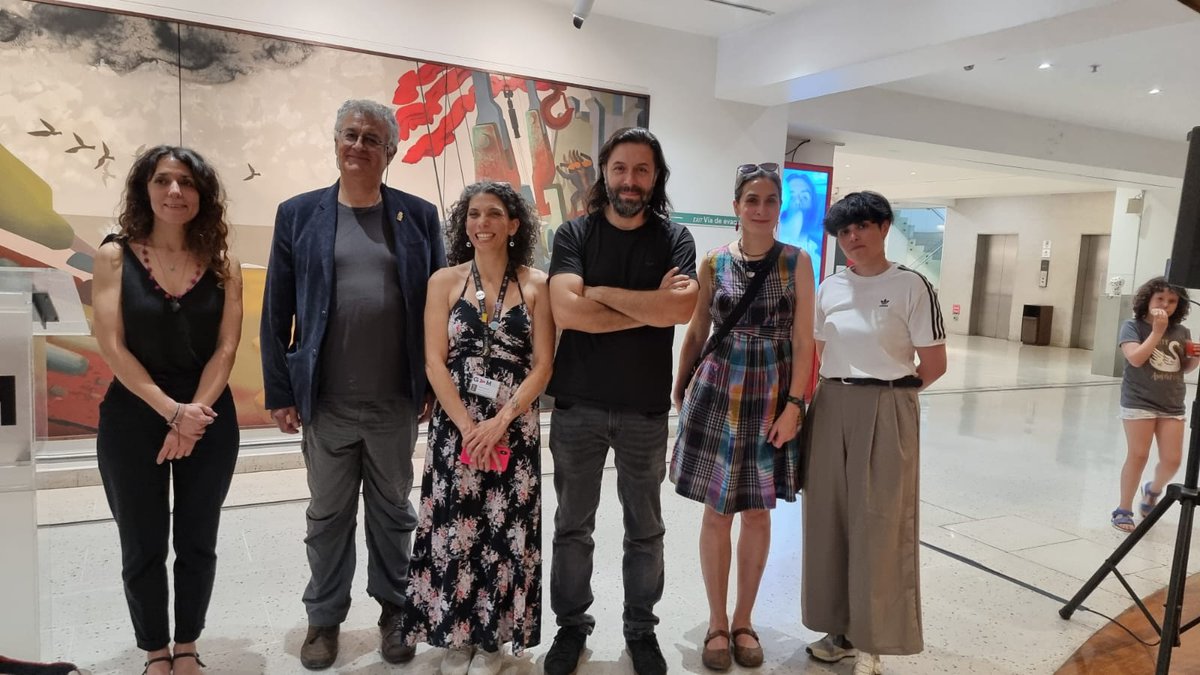
Furthermore, in the Experimental Space inside the room, Technologies to touch the invisible is exhibited, a dialogue from applied and social sciences, the arts and humanities, which focused on the exploration of 20 whistles from Nicaragua, Mexico and Guatemala, guided by the question how to investigate, preserve and give access to heritage objects whose specific function is the creation of sound? Carolina Espinoza, Kornelius Kupczik, Javier Jaimovich and Constanza Urrutia are the academics from different disciplines who led this project, where a total of seven researchers and professionals also participated.
The work consisted of an investigation of the context of the pieces, use of tools such as structured light scanning, microcomputed tomography to understand the structure and materials, sound recording and 3D printing, to propose new dimensions for observation and analysis. This is a National Fondart project, Line of Artistic Creation, Call 2024, developed by an interdisciplinary team of researchers from the University of Chile.
Finally, in the MAPA research showcase, located on the 1st floor of building B, an audiovisual record is exhibited in which part of the interdisciplinary team in charge of the project explains the process of researching heritage objects from interdisciplinary perspectives and the potential that these approaches have to provide access to the collections.
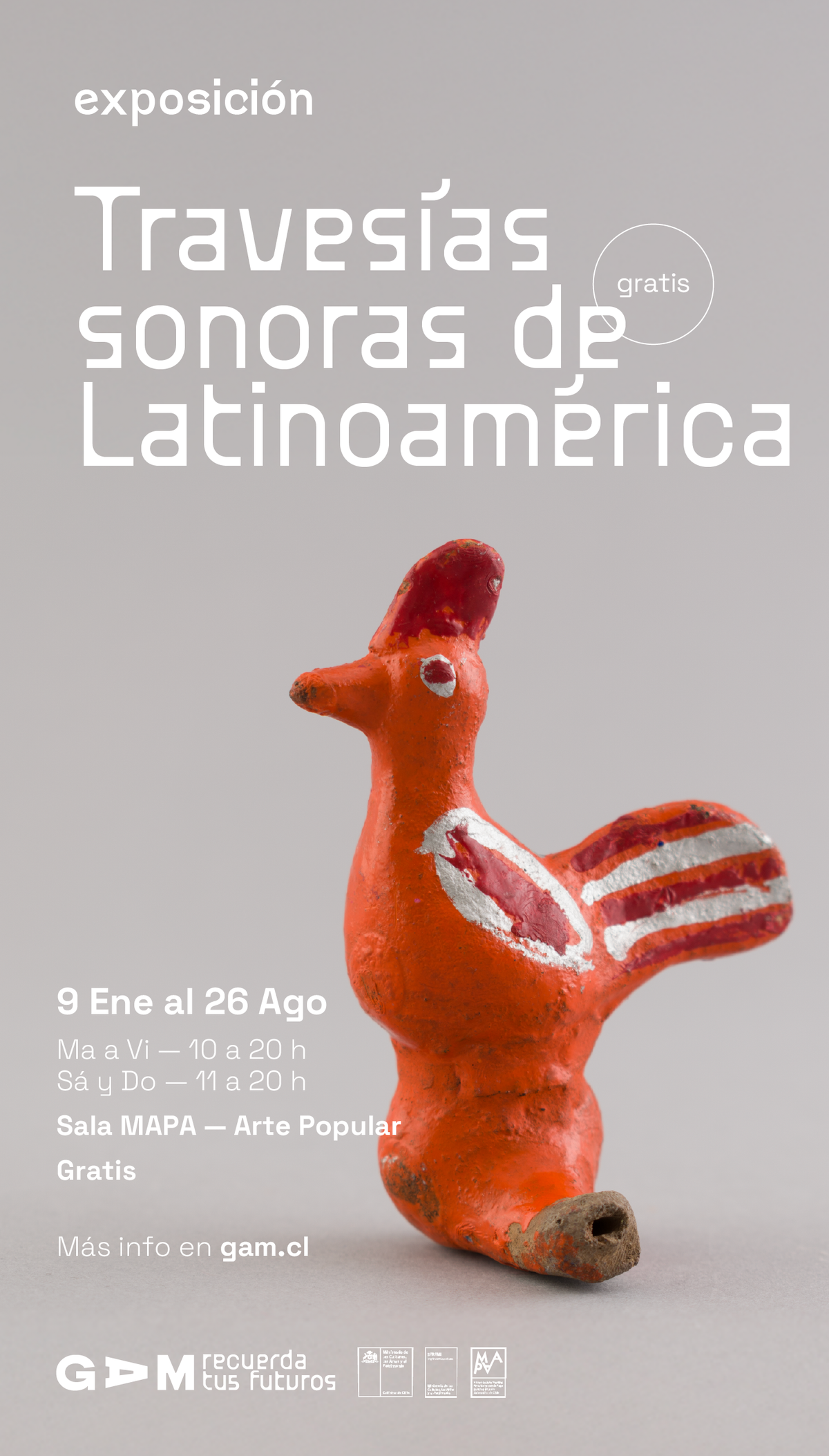
Until Aug 24, 2025
Tues to Fri — 10 a.m. to 8 p.m.
Saturday and Sun — 11 a.m. to 8 p.m.
Sala MAPA—Arte Popular (Edificio B, piso —1)