


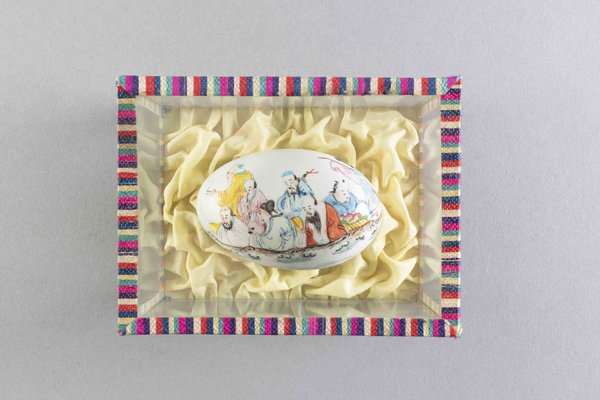
More than fifty years have passed since Chinese objects from the collection of the Museum of American Folk Art (MAPA) were last exhibited together. Today they return in the exhibition Made in China, which invites us to reflect on the multiple layers of meaning that these objects mobilize.
Fifty years have passed since the last time the Chinese objects from the Museum of American Popular Art (MAPA) of the University of Chile were exhibited as a collection. It was the exhibition Arts and Crafts of the People's Republic of China, held at the Castillo Hidalgo in 1970, then the headquarters of MAPA.
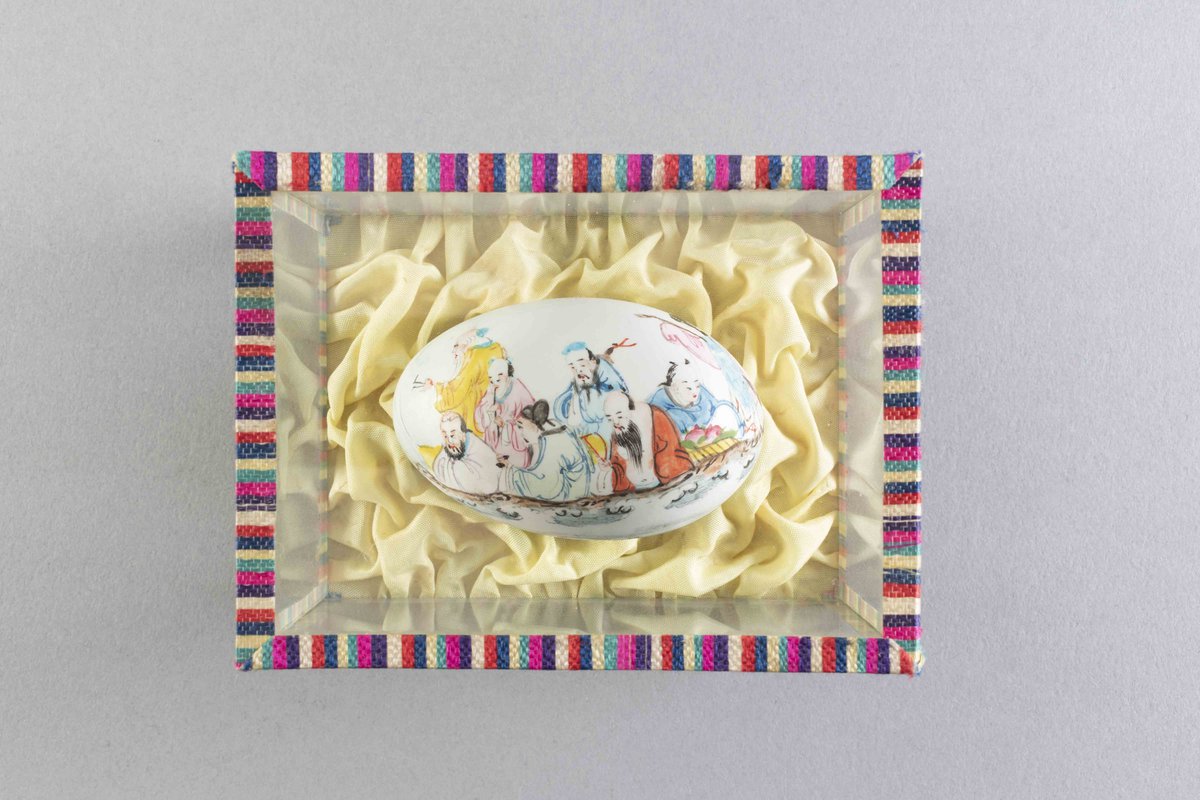
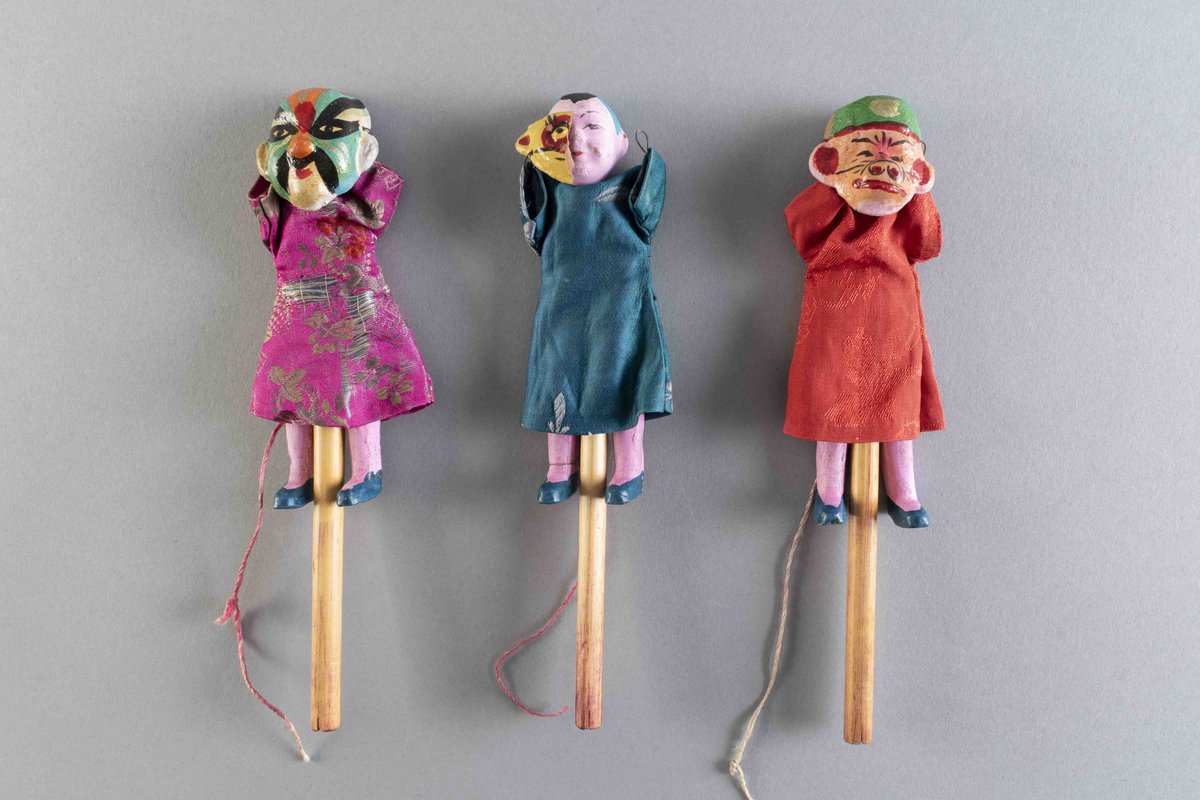
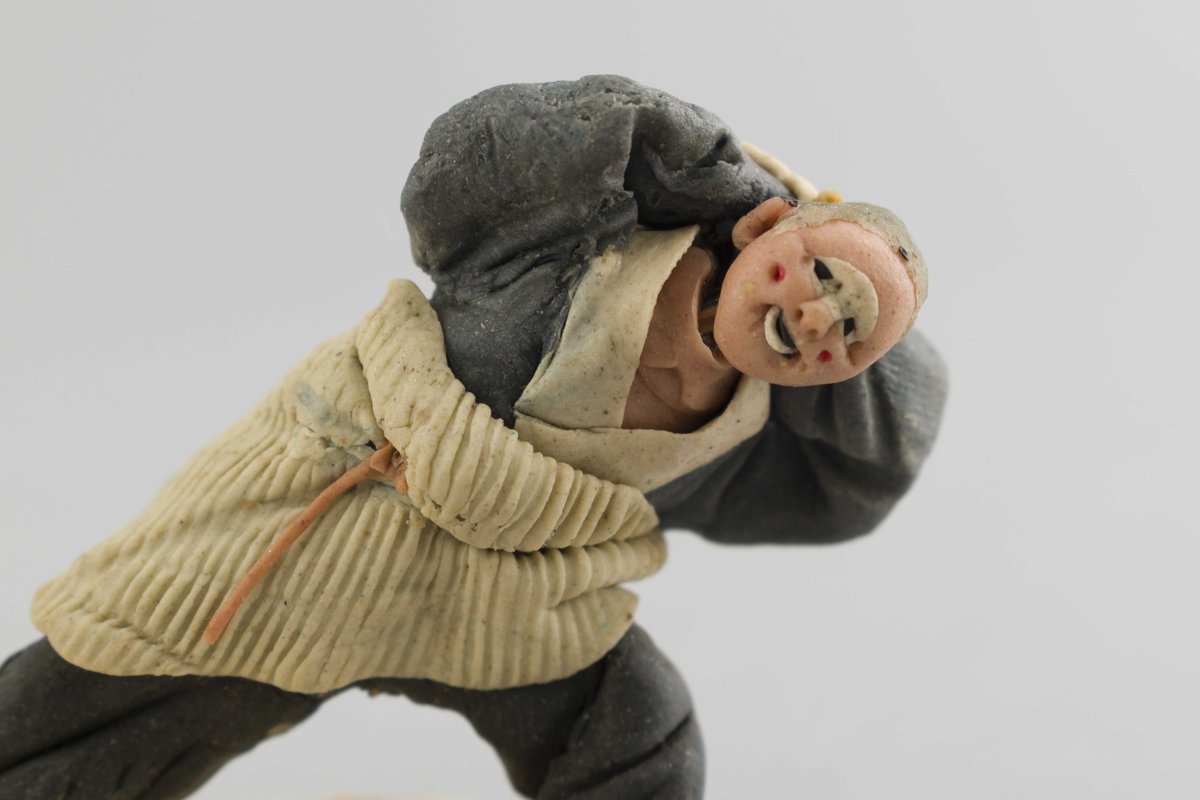
In October, a hundred of these objects will appear publicly again within the framework of the exhibition Made in China, a proposal that invites us to reflect on the dimensions of everyday life, memory and the imaginaries of China in Chile that are embodied in the objects. The exhibition also opens when 55 years of bilateral relations between China and Chile are celebrated.
Made in China is articulated through three axes. The first addresses the role of Chinese objects as diplomatic gifts from the People's Republic of China to MAPA between 1953 and 1959. These are pieces that were created and/or modified to internationalize an image of the republic, which are difficult to access today. Therefore, Made in China is a unique opportunity to learn about part of that cultural production.
The second axis refers to the collection of Chinese objects by figures such as the painter José Venturelli and the third analyzes the objects protected and brought by Chinese immigrants to Chile along with pieces that express the representations that Chile has built about Chineseness. This last axis is developed by the Chilean artist of Chinese descent Ignacio Kenfa Wong, who was invited to the exhibition with the purpose of bringing the museum's historical collections into dialogue with contemporary views and experiences around Chinese objects.
“This is a referential project for situated creation, which proposes new readings of everyday objects, now displaced from their original function or meaning, to become vehicles of personal memory, identity and cultural criticism,” says Janis Saldías, curator of the museum about Kenfa Wong's intervention called Private Collection.
For the director of MAPA, Paulina Faba, "this exhibition seeks to open the museum's Chinese objects to new layers of reading. These are not just heritage pieces, but objects with agency, as Alfred Gell would say, capable of activating memories, affections and imaginaries in different historical moments. By putting them in dialogue with the contemporary intervention of Ignacio Kenfa Wong, the exhibition operates a decentering of the gaze: it allows us to move from the collection as an archive of the past to the collection as a living act, in movement. Just as Arjun Appadurai and Igor Kopytoff point out, the objects have biographies and trajectories that constantly redefine them. This exhibition invites us to explore these multiple lives, to recognize in each piece both its origin and the critical reinterpretations it generates today, revealing the folds of history, power and culture that cross them.
How did the Chinese objects get to the MAP?
The more than 500 Chinese objects arrived at different times in the 20th century, marking milestones in the cultural relationship between both countries. In 1953, during the Continental Congress of Culture organized by Pablo Neruda, a Chinese delegation presented an exhibition at the Castillo Hidalgo. Once the exhibition concluded, the pieces were donated to MAPA. This first delivery was complemented by the shipment of more objects from China that same year.
Shortly after, in 1957, the director of MAPA, Tomás Lago, traveled to some Chinese cities as part of a Latin American delegation invited to this country and brought with him pieces that he recorded in his book Classic Chinese Crafts (1960). To this initial nucleus was added in 1959 the donation of the artist José Venturelli, reinforcing the cultural ties between Chile and China.
"The MAPA's Chinese collection emerges rooted in a specific political and cultural context and what is most notable, it always intended to be publicly accessible from its conception. Each piece in this collection was selected with the explicit intention of being shared with the public, both for their enjoyment and for their study," says Paula Cabrera, head of the museum's collections and researcher of the exhibition.
Oct 3, 2025 to May 31, 2026
Tues to Fri — 10 a.m. to 8 p.m.
Saturday and Sun — 11 a.m. to 8 p.m.
Sala MAPA—Arte Popular (Edificio B, piso —1)

Closed during February.