


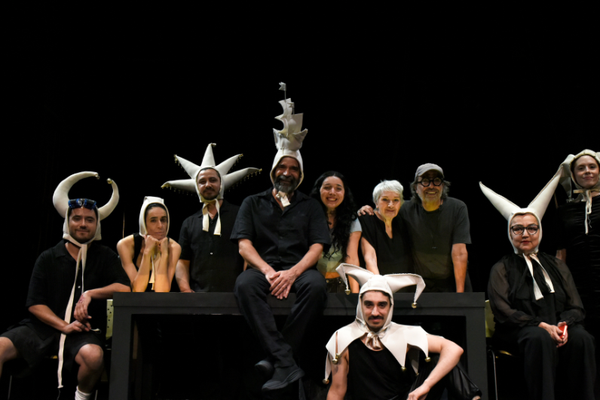
A classic comedy about love, identity and deception, where the boundaries between reality and appearance are blurred in a theatrical game full of humor and emotion.
William Shakespeare's classic Twelfth Night arrives at GAM, chosen by the Art Critics Circle as the best work of 2024. A comedy of entanglements, crossed identities and impossible loves where nothing is what it seems.
After a shipwreck, twin brothers Viola and Sebastián lose track of each other. Convinced that her brother is dead, Viola disguises herself as a man—under the name Cesario—to survive in an unknown land. From that moment on, a chain of misunderstandings is unleashed: Viola falls in love with Duke Orsino, who loves Olivia, who in turn falls in love with Cesario.
With this comedy of errors written by William Shakespeare and translated into Spanish by León Felipe, the Chilean National Theater celebrated the 70th anniversary of the Antonio Varas theater, since it was this play that inaugurated the permanent headquarters of the TNCh in November 1954.
Director: Rodrigo Pérez Muffler | Cast: Nicole Giselle Vial Aguilar, Marco Antonio Rebolledo Cortes, Marcelo Ignacio Lucero Leiva, Jaime Felipe Leiva Zambrano, Francisco Javier Ossa Busta, Diana Sanz Fernández, Francisca Javiera Márquez Thomas, Roxana Sibila Naranjo Robles | Designer: Cesar Erazo Toro | Producer: Christian Godoy Hernández | Musical composer: Guillermo Ugalde.
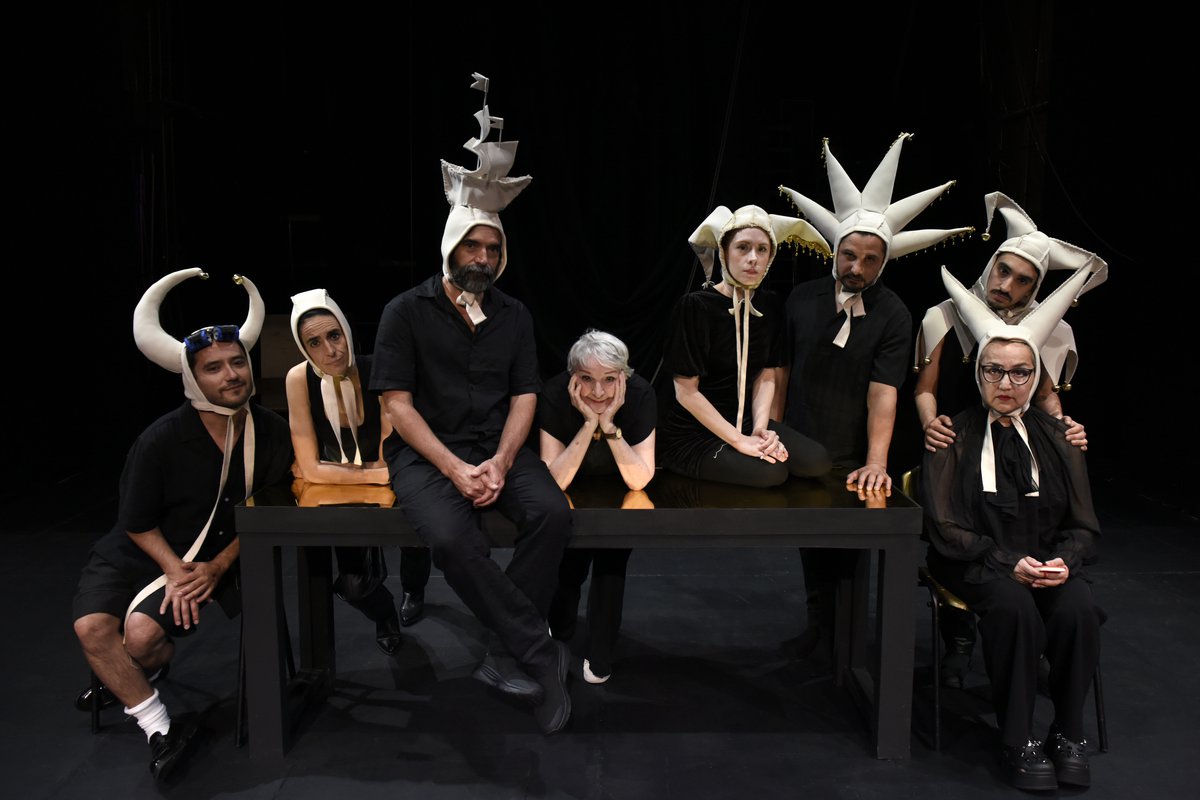
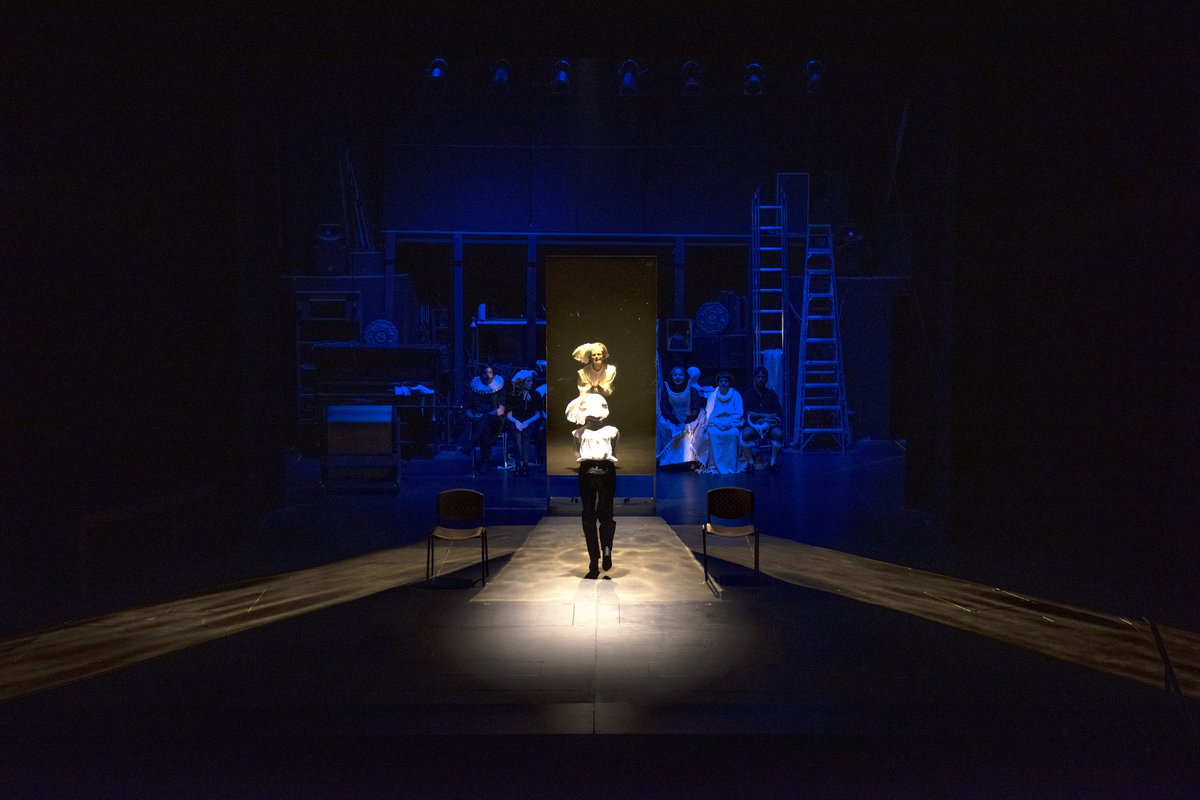
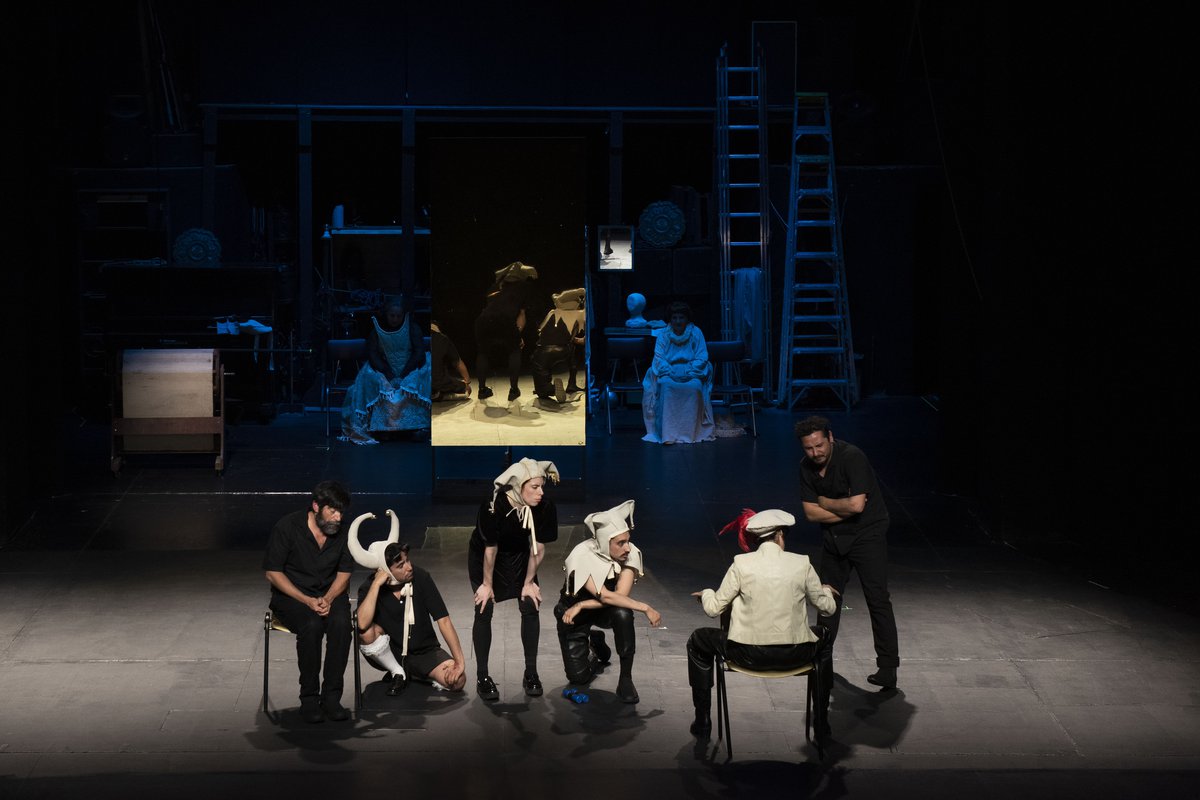
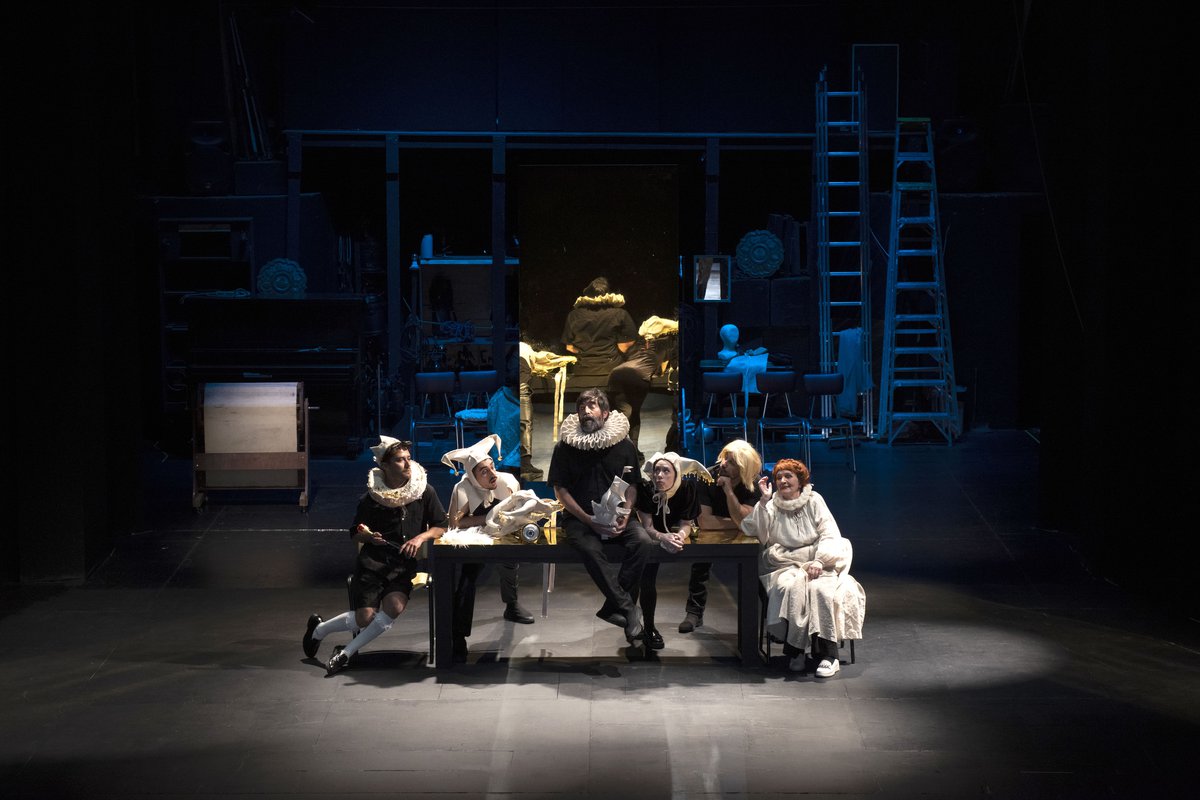
“The funny thing appears in all the characters and is in the play on words, the meaning of these, the error and the choice of a song that is repeated and that crosses more than one generation faithfully represented in the public, adding that element of relevance to the joke that increases its pleasant effect. The mixture in the manners and gestures used when speaking that oscillate between a Spanish of the golden age and the “errors” of contemporary national speech with its double meanings, allow the rescue of that picaresque of the Spanish and the Shakespearian original in a true adaptation so that we have the experience of the funny without the excess of vulgarity, but neither with the distance of a translation that remains distant and leaves us out of the scene.”
— Macarena Bertoni, Oropel Magazine.

Dec 12 to 21, 2025
Fri and Sat — 8 p.m.
Sun — 7 p.m.
Sala A2 (Edificio A, piso 1)
$12,000 General.
$8,000 Seniors, students, caregivers and people with disabilities.
-2x1 General BiblioGAM Membership and GAM Teachers Membership only on Fridays.
-50% discount only on Fridays for students of performing and musical arts, artistic schools and partners of SIDARTE, SINATTAD, SCD, ADTRESS, CHILE ACTORS.
*Exclusive discounts for the general value. Not combinable with other promotions.
50% and 2x1 discounts only available at GAM Ticket Office upon presentation of credentials.
+ 14 years old | Duration: 70 min