


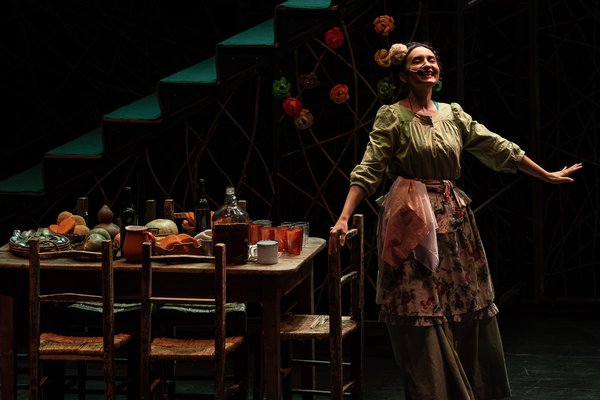
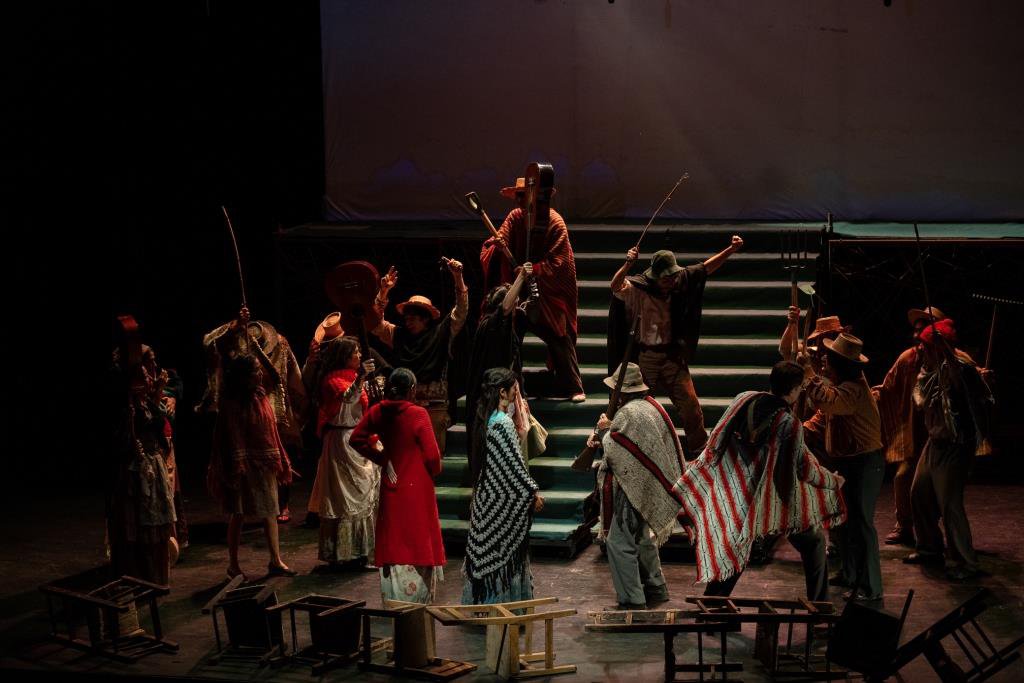
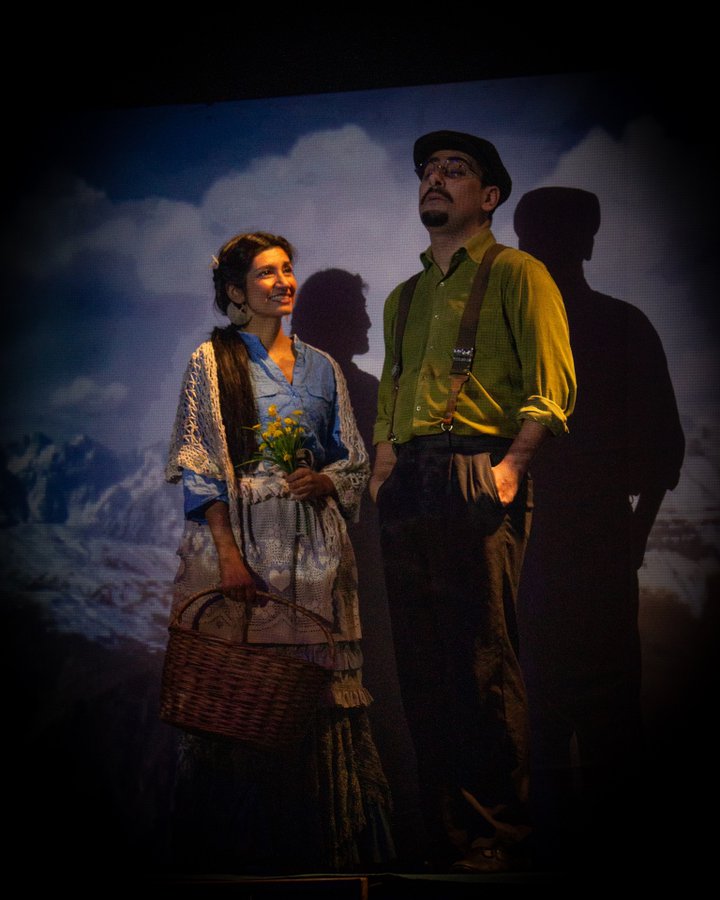
The Chilean countryside and the Andes Mountains as a backdrop surround this portrait of the hard life of the peasants of the central zone. A fundamental text by the playwright Antonio Acevedo Hernández, published in 1936 and a key piece of Latin American Social Theater.
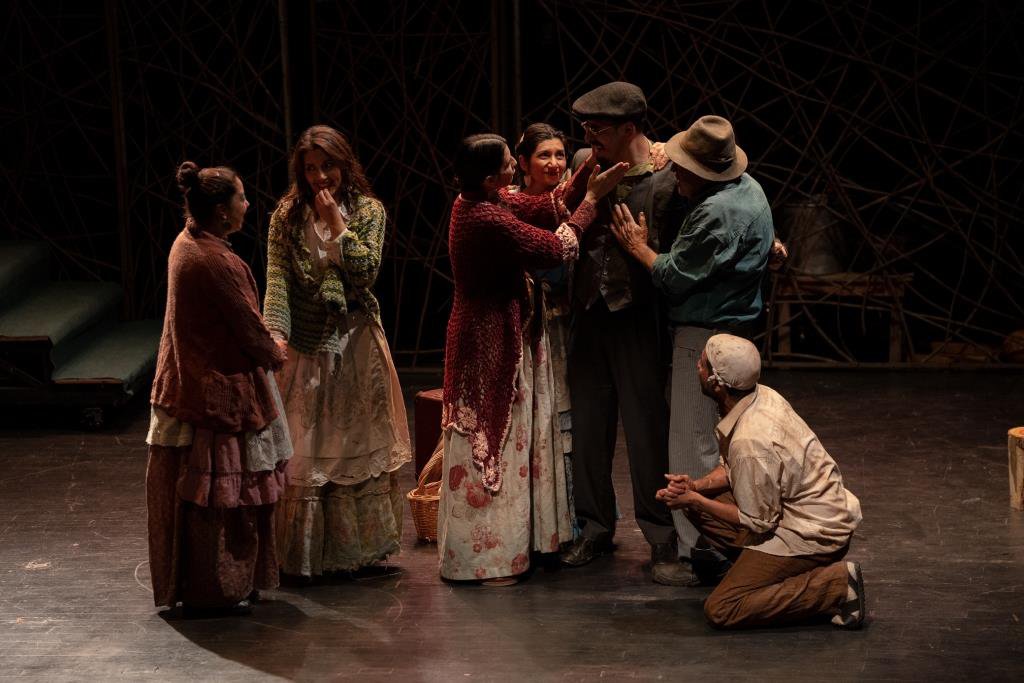
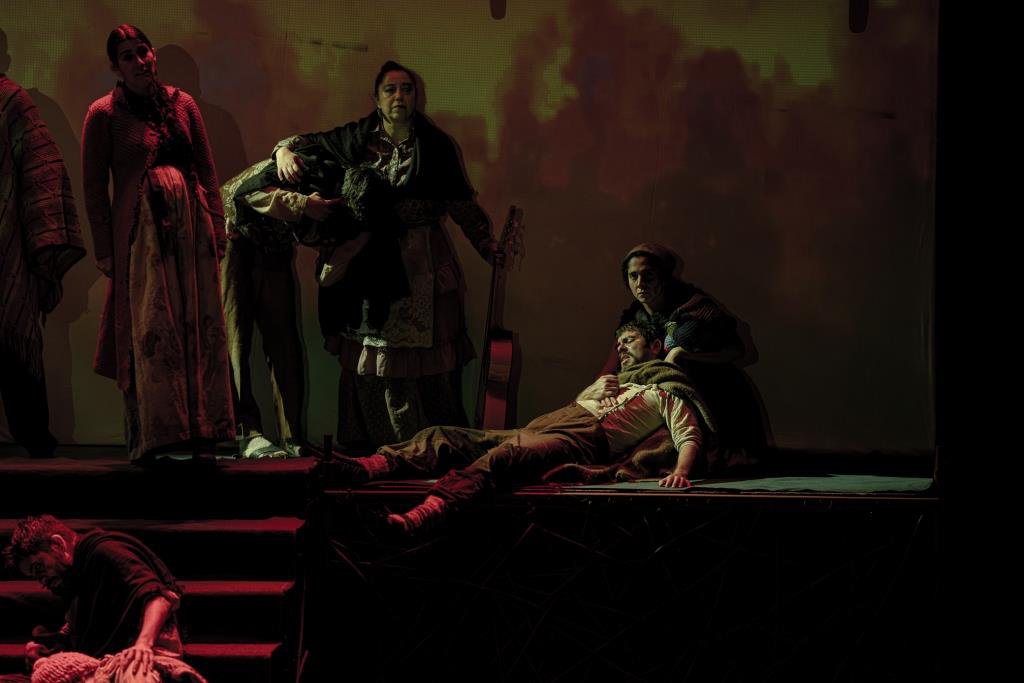
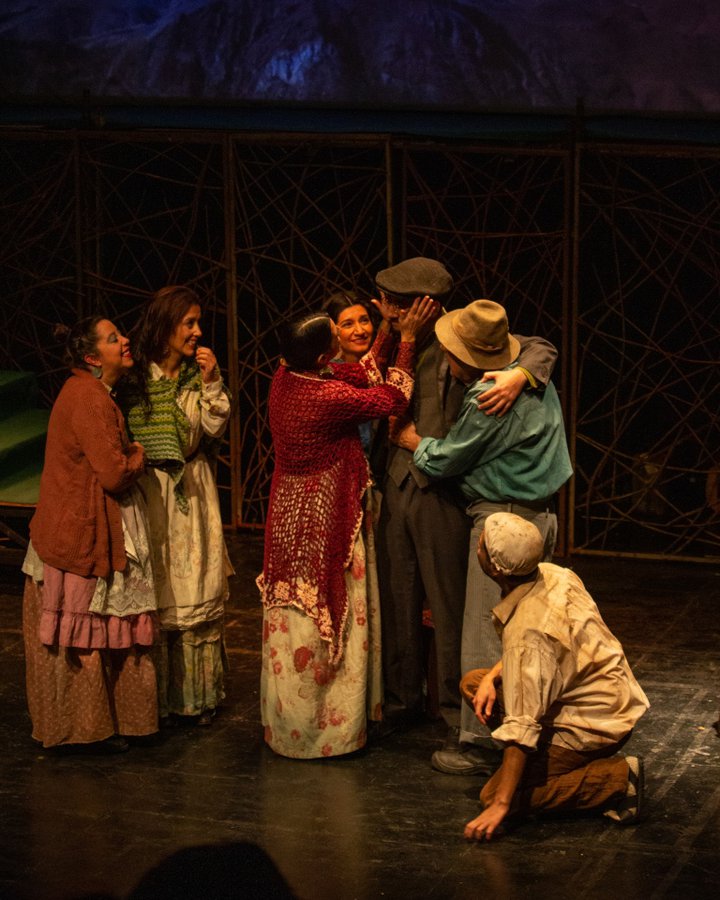
In the countryside, Esteban, his family and friends share the work, the joys and injustices that they experience every day. But his existence and that of the entire community is modified with the arrival of his grandson Salvador, who returns to the land where he was born. This character will be the catalyst for change, showing the peasants that education is the only way out of the system of oppression under which they find themselves.
Antonio Acevedo Hernández created The Broken Song in the 1930s, portraying the hard life of peasants at the beginning of the 20th century. The thematic emphasis is the lack of education and opportunities among the peasantry, which creates a considerable difference in the quality of life between the tenants and the landowners.
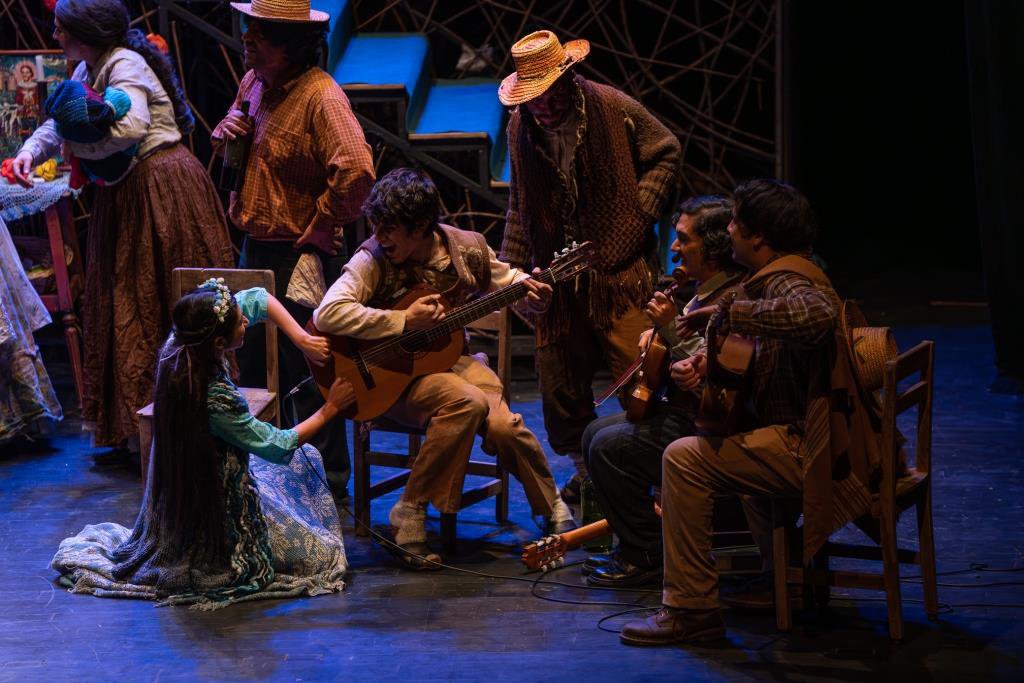
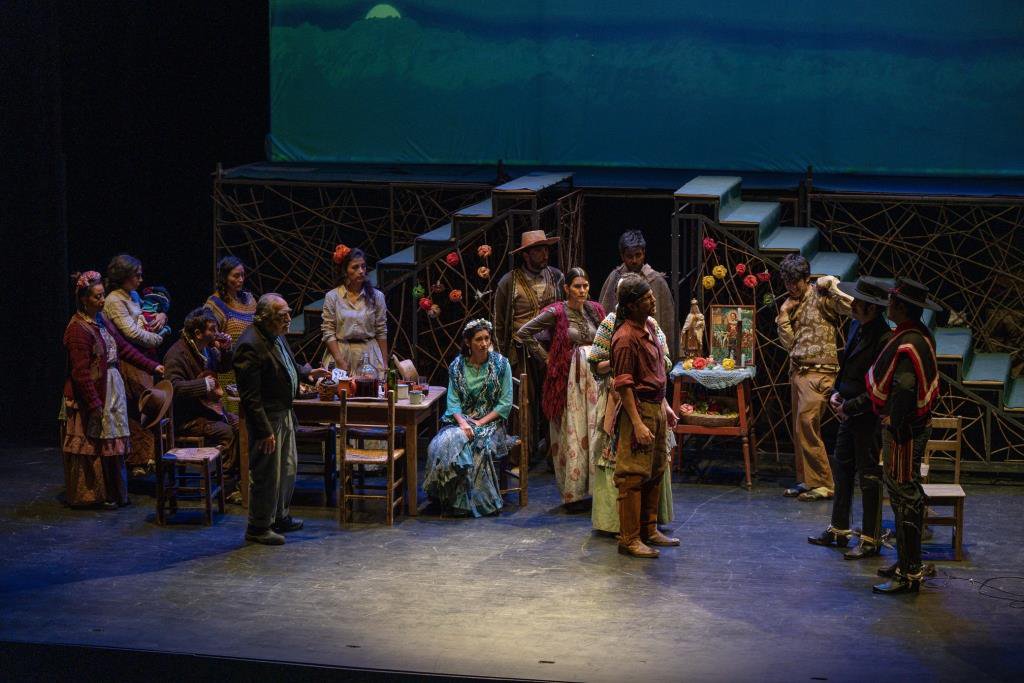
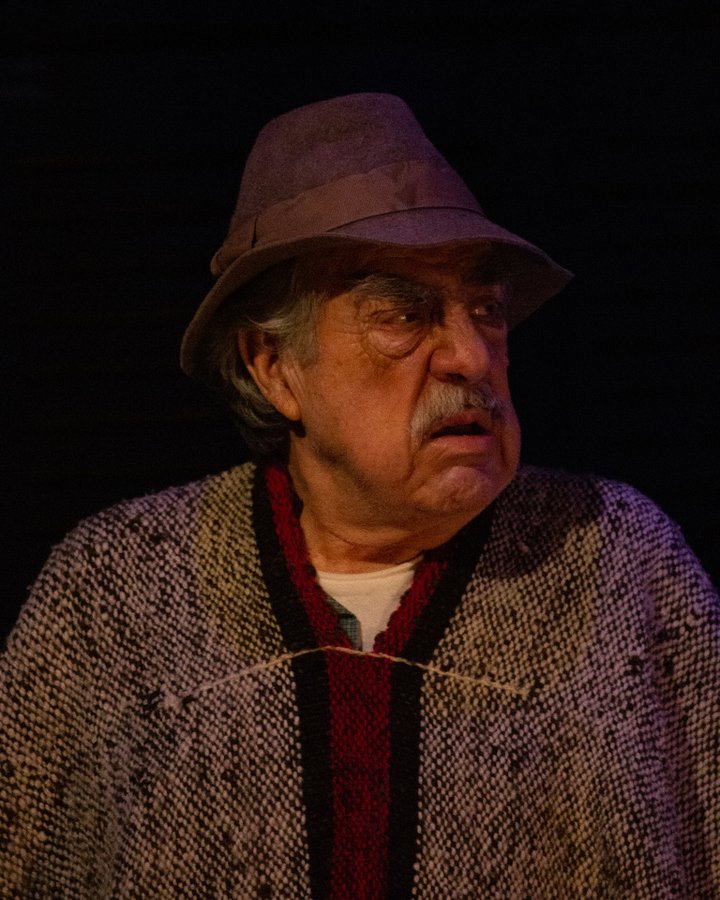
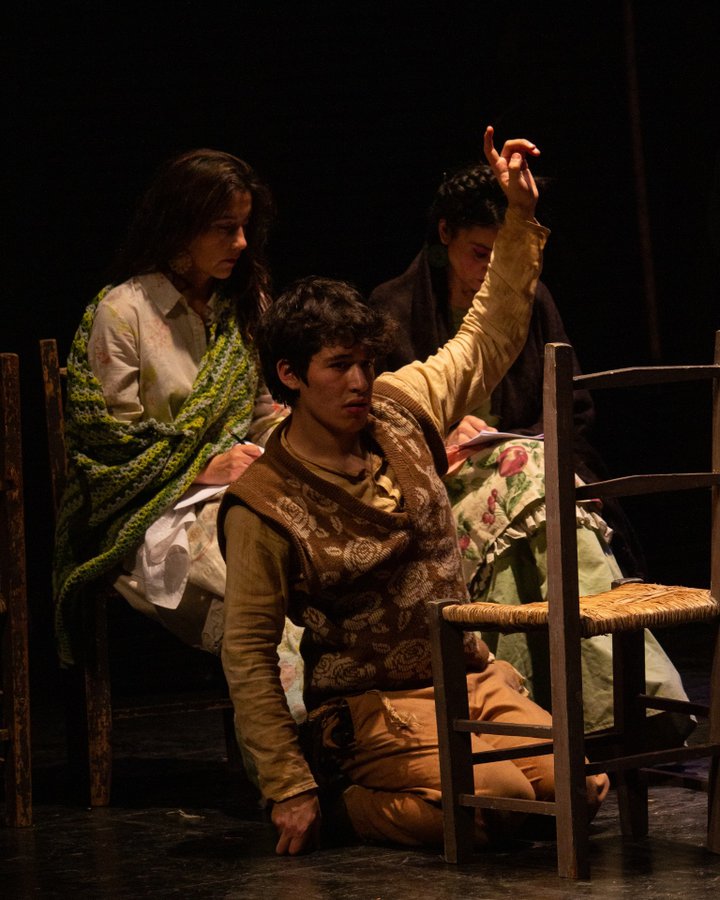
The staging is multidisciplinary, integrating twenty actors, traditional dances, live music, choirs and film projections that move between humor, pain and improvement. You will see the tranquility of the countryside, its festivities and the deliberation of the people. The remount includes advances in music, showing the work of Margot Loyola and Osvaldo Cádiz and also the compilation of new cinematographic images to transport the viewer to rural life from a close-up.
"We did work on the ground, in the countryside of the Central Valley, visiting the same landscapes that the work presents and getting to know the inhabitants of this space. On the other hand, the musical work was challenging both in the musical interpretation and in the traditional dances; all contextualized in the time and space described: Central Valley of Chile, at the beginning of the 20th century," says one of the directors, Nelda Muray.
The National Drama is committed to showing a “comprehensive show” where the public attends a set of joint artistic manifestations that identifies them, entertains them, educates them and allows them to actively reflect on our history and therefore the construction of the identity of our country.
- "It is necessary to reflect and disseminate this theatrical piece since it narrates the same problems that we have today. On the one hand there is the problem of water and how the rich, landowners or powerful, manipulate that resource to the detriment of the popular classes, in this case the tenants. And on the other, the inequality of educational opportunities," concludes Muray.
Direction: Nelda Muray Prado, Carola Rebolledo and Carolina Araya | Cast: Hugo Medina, Carolina Araya, Carolina Rebolledo, Jorge Rodríguez, Nicolás Camus, Nelda Muray Prado, Roberto Vallejos, Leonardo De Luca, Laura Hernández, Carmen Demarta, César Ramírez, Pablo San Martín, Alejandra Pérez Vera, Bruno Chelsi, Pablo Suárez, Francisco Cuevas, Jaime Ahumada, Karen Wilson, Camilo Leiva, Javier Carrasco, Alexandra Cavieres and Bastián Ovando | Musical Direction and Composition: Nicolás Rodríguez, Camilo Leiva and Compilations by Margot Loyola and Osvaldo Cádiz. | Lyrics: Nelda Muray Prado | Decimas Canto a la Divino: Cecilia Astorga | Final tenths: Nelda Muray Prado | Scenography: Loreto Martínez | Costumes: Camilo Saavedra | Lighting: Koke Velis | Audiovisual Direction: Erwin Scheel | General Production: Nelda Muray Prado | Folklore teacher: Osvaldo Cádiz | History teacher and voice-over: Gabriel Salazar | Graphic: Sumiko Muray Prado
“Broad and multitudinous is the deployment of resources that the company uses to tell the rich epic anecdote of this production that, supported by around twenty actors, actresses and musicians on stage, becomes a very well-constructed, dynamic and attractive show.”
— Leopoldo Pulgar, theater critic.

Sep 12 to 27, 2024
Wed to Sat — 7:30 p.m.
Sun — 5 p.m.
Sala A2 (Edificio A, piso 1)
Pay what you can
Choose your price option and contribute with it to the work
$4,900, $5,950, $7,000 or $8,050.
There are no performances on September 11 and during the week of National Holidays.
14 + years | Duration: 100 min.