



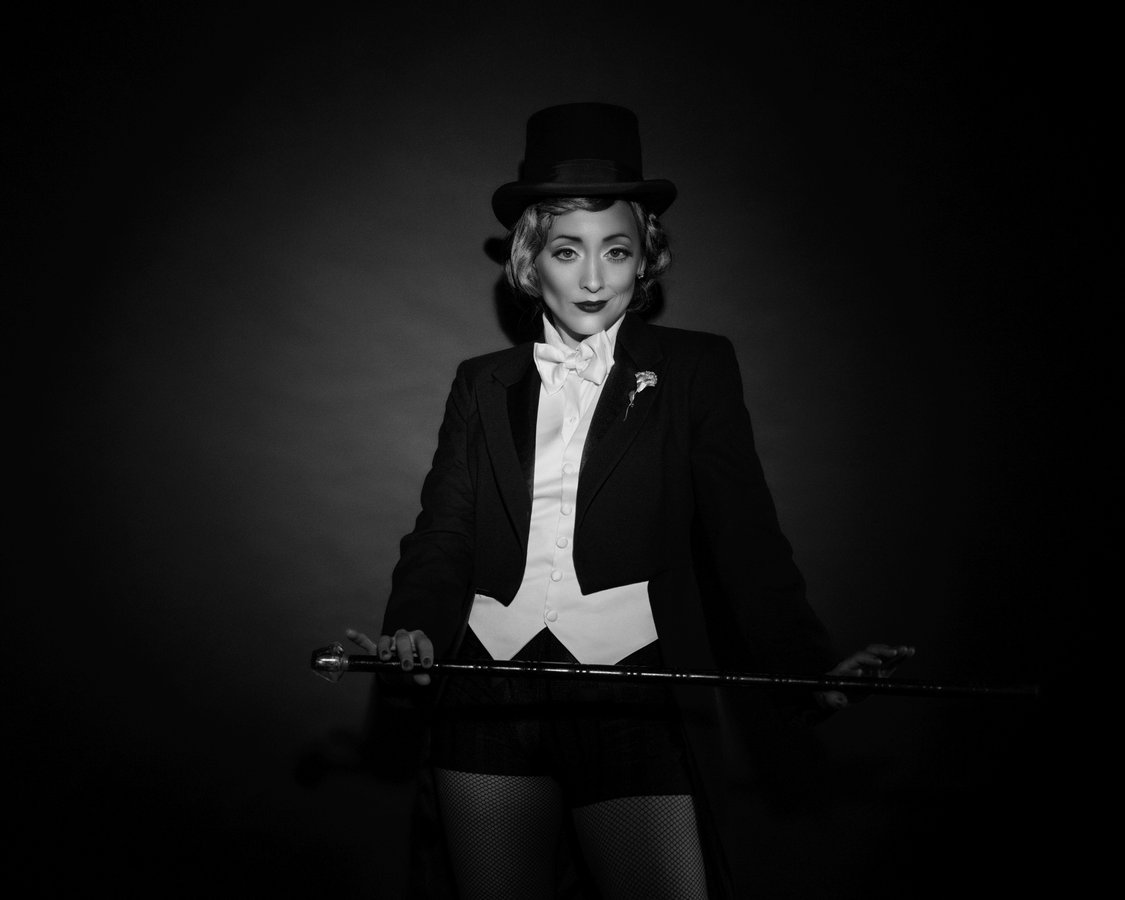
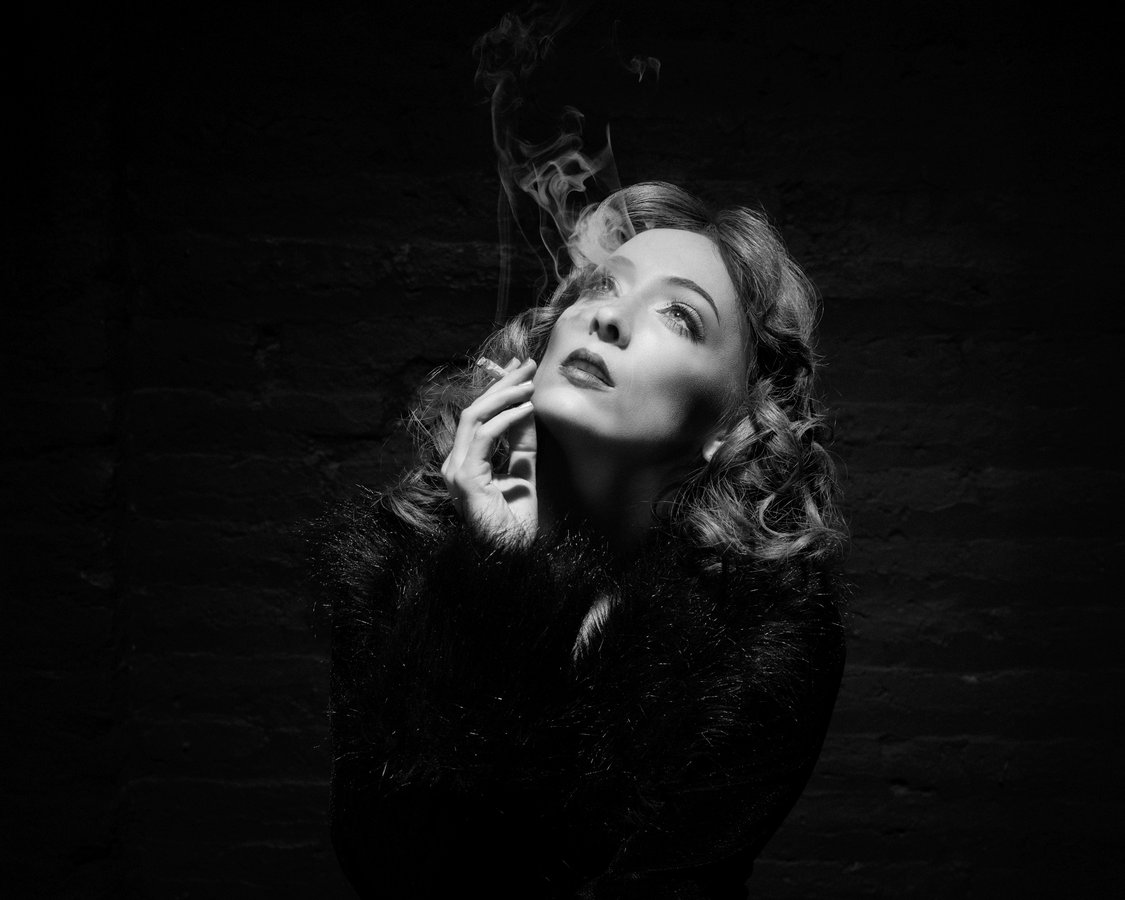
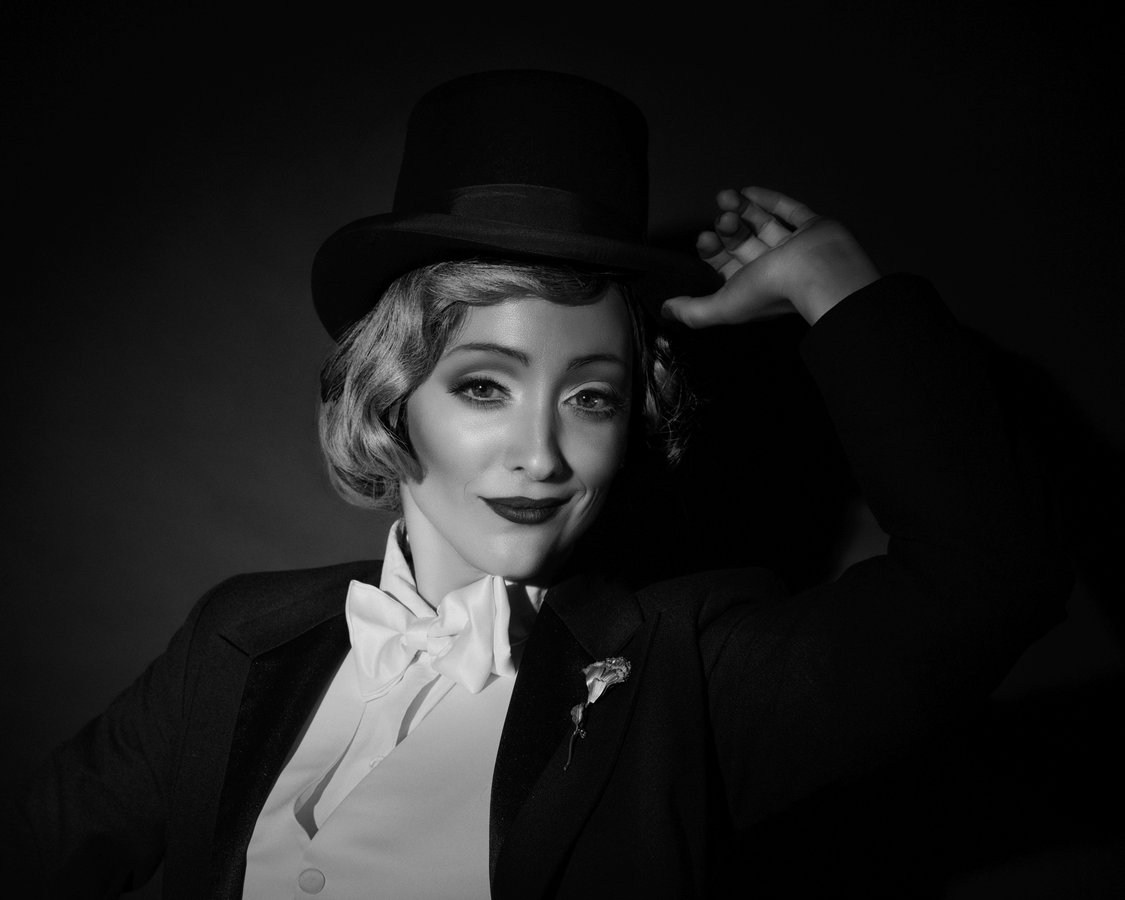
The life of the legendary German singer and actress Marlene Dietrich comes to GAM in a spectacle of acting, singing, dance, design and lighting. A story directed by Juan Cristóbal Meza, which will take the public to know the contradictions of an era. Starring Francisca Walker.
"I never faint because I'm not sure if I'm going to fall in style.". This was said by her character in the film Witness for the Prosecution, directed by Billy Wilder in 1957, but by then, Dietrich was already a myth and the phrase a good portrait of her career.
The German diva was a symbol of irreverence, mystery and emancipation in her career as an actress and singer in the 1950s. Today, her figure returns in a musical show that covers her life through the songs that made her famous, such as La vi en Rose, Falling Love Again, Lola, Lili Marlene, which are performed and related to different stages of her career.
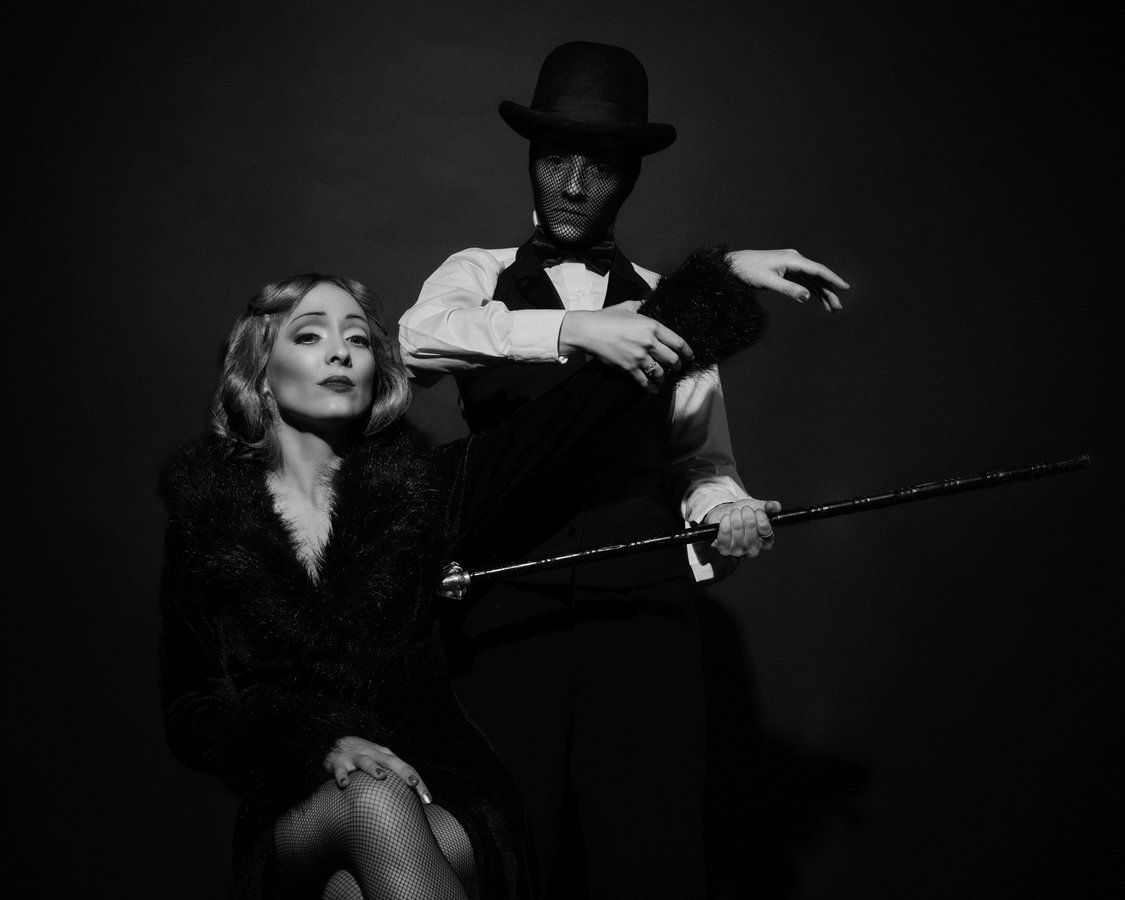
It is a show that through music, acting, dance, design and lighting, presents us with an entertaining and profound story that takes us through the 20th century with its contradictions, dramas and meanings.
The play stars actress Francisca Walker as Marlene, with a cast of musicians and actors who create a dynamic production that revives all the magic of literary cabaret and vaudeville.
"We look at Marlene Dietrich because she is iconic, because she goes beyond the feminine to become a cult figure in fashion, politics, religion and art. She had a participatory fight against Nazism, maintaining permanent contact with the highest leaders of the time, as well as writers and intellectuals. We were surprised by how she had been able to maintain all this legacy, all this attention from society, throughout her entire life," says Juan Cristóbal Meza.
“The choice of Francisca Walker to play Marlene Dietrich has to do with her incredible attributes: her great talent as a singer, as a dancer and of course as an actress; and also interested in creating a different musical work”
— Juan Cristobal Meza.
Marlene Dietrich (1901-1992) is considered one of the myths of the seventh art. He began his career in effervescent pre-Hitler Berlin, full of nightclubs and famous in Europe for its sexual freedom and the rise of cross-dressing, which helps explain his future sartorial androgyny and an uninhibited intimate life with both men and women.
Although he debuted in silent films in 1923, he achieved stardom by starring in the first European feature-length sound film, The Blue Angel (1930). Her daring role as a cabaret artist caused an international sensation; especially for her suggestive songs and the display of her thighs. The film would even be banned in Germany by the Nazi regime.
She made more than 60 films in Germany and Hollywood (Thirst for Evil, Morocco, Shanghai Express, The Devil Was a Woman, Seven Sinners), in which she was known for playing femme fatale roles.
Address and text: Juan Cristóbal Meza | Cast: Francisca Walker and Martina Cordova | Direction of actresses: Elsa Poblete | Choreographies: Mónica Valenzuela | Costume Designer: José Vergara | Lighting: Alejandro Gutiérrez | Production: Thais Ferrada | Images and photographs: Rodrigo Hoffman and Daniela Murden | Music: Berlin Orchestra.
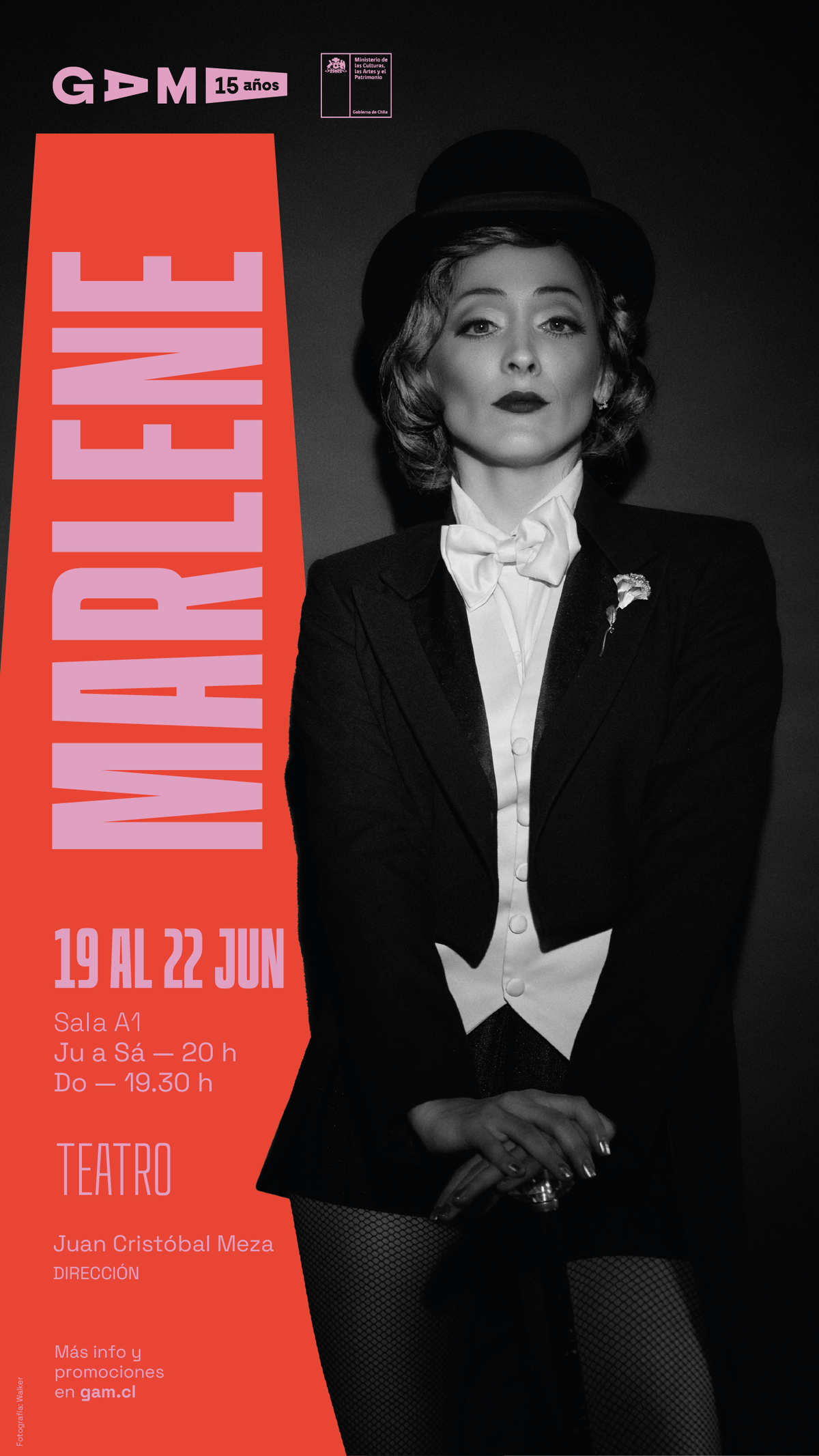

19 to 22 June 2025
Thu to Sat— 8 p.m.
Sun— 7:30 p.m.
Sala A1 (Edificio A, piso 1)
$15,000 General
$12,500 Seniors, students, caregivers and people with disabilities.
-20% discount for Club La Tercera members (Thursday to Saturday).
*Exclusive discounts for the general value. Not combinable with other promotions.
Discount for caregivers only available at the GAM Ticket Office upon presentation of credentials.
14+ years | Duration: 70 min.