



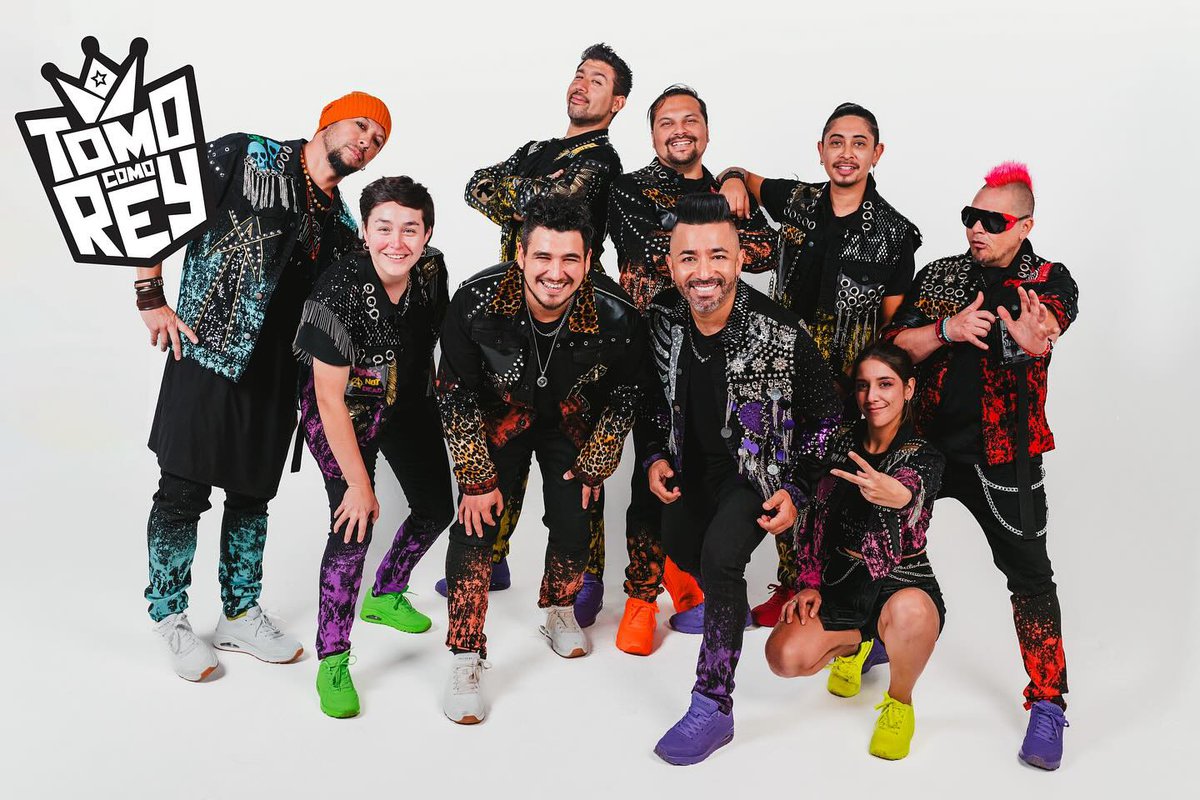
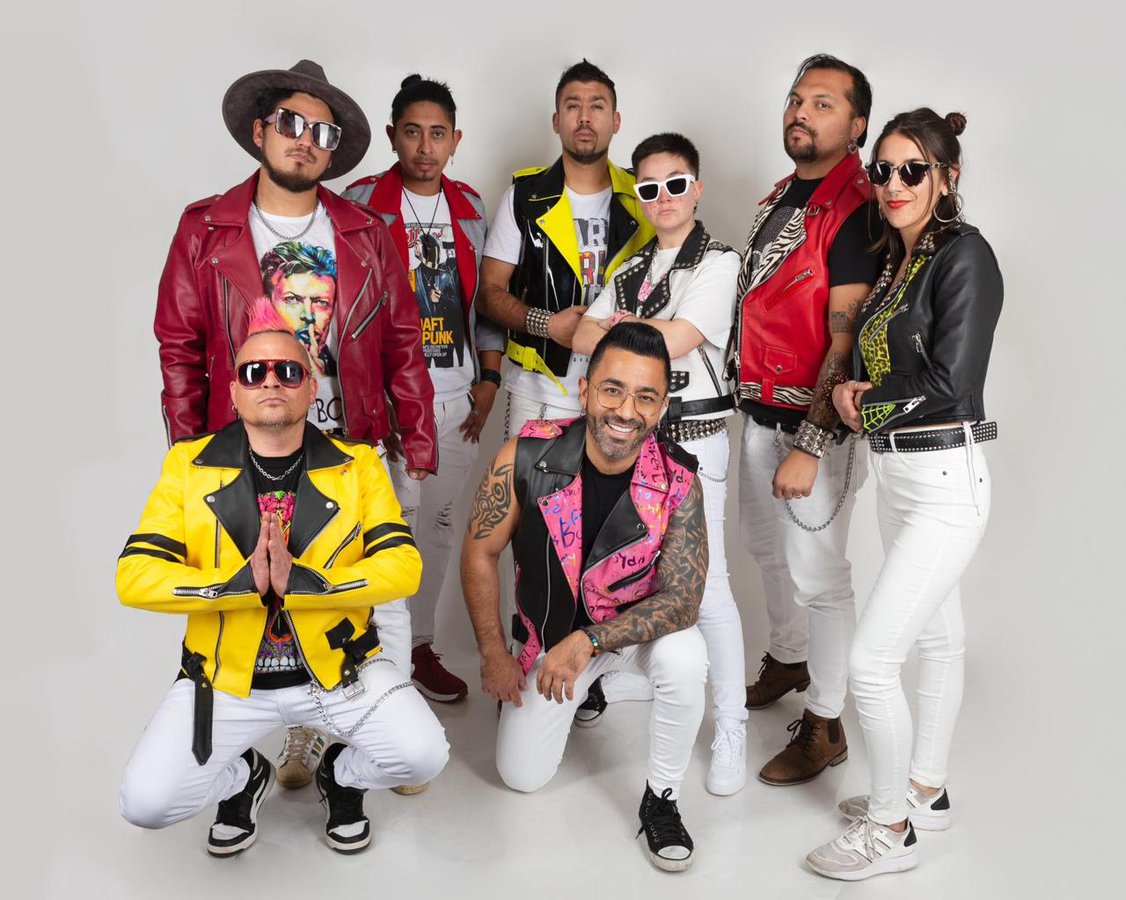
For the first time at GAM, the cumbia, pachanga and ska band arrives to close the 18 Chico party. Its success has been affirmed in several massive hits, referring to football, the "reel" and also social criticism. Among the most famous in his repertoire are "The Wonder Boy", "Arriba de la pelota", "Los que take como rey" and "No tomo más".
Originally called Sonora Tomo Como Rey, the band that became famous under the name Tomo Como Rey is part of the first groups of the so-called "new Chilean cumbia." Born in the halls of the National Institute, almost all of the members have changed since those origins and have developed their own repertoire that is nourished by cumbia, ska, rock and even moments of punk.
After the Guachaca Summit in 2006, they were invited by the EMI company to record their first album, as part of a series titled "Guachacas" that that label launched in June of that year. Original songs, then, were the new face of the group, on an upward path that in 2010 had its first massive response: The album Rey Mamboincluded several songs referring to the National Team, which that year would participate in the World Cup in South Africa, which ensured enormous dissemination for songs like "I want to see you win" and, above all, "The Wonder Boy."
Tomo Como Rey (which dropped the name Sonora in its early years) has undertaken trips to Mexico, in an exploration of other markets that had a musical correlation. In 2016 they presented an album with other colors besides cumbia, which was produced by La Mosca Lorenzo and Mariano Negro Franceschelli (from the Argentine band Los Auténticos Decadentes), and which was called La fiesta popular. After the departure of their vocalist Cristian Morales, the band presented a new singer in 2017.
In 2024, the band performed at Parque O'Higgins and traveled to Mexico for the seventh time to be part of the popular Skatex festival. He also released his documentary “XX years and may the party be eternal.” In March 2025 they closed their 20-year tour with a commemorative show in Ñuñoa for 3,500 people.

Sep 27, 2025
Saturday— 6:50 p.m.
Plaza Central
Free, first come, first served.
Limited spaces.
Presented by:

All public | Duration: 45 min.
Accessibility
This presentation is outdoors in Plaza Central.