


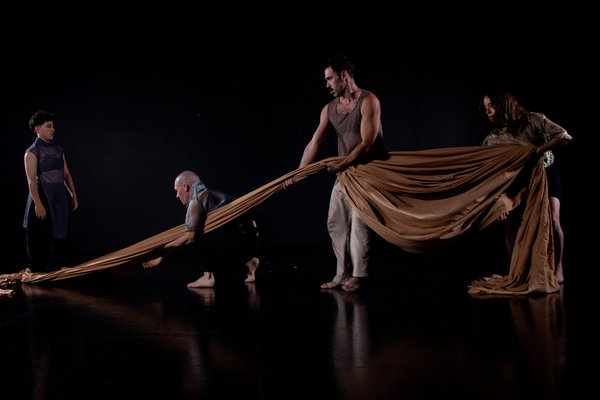
Inspired by Gabriela Mistral's posthumous book, Poema de Chile, the work seeks to highlight the relationships between the body and natural phenomena, combining performing arts, media and sound design. Directed by Camila Cannobbio and Daniela López.
«I went down through space and airs / and more airs, descending, / without a call and with a call / by the force of desire / [...] and I arrive like the arrow / this my second body / at the point where they begin / Homeland and Mother that they gave me.
What makes these Mistralian verses give way to a play on stage? Camila Cannobbio and Daniela López seek to create a cross between the natural landscape of Chilean geography and the landscape of body anatomy and they materialize this in You walk without stopping and I miss living things.
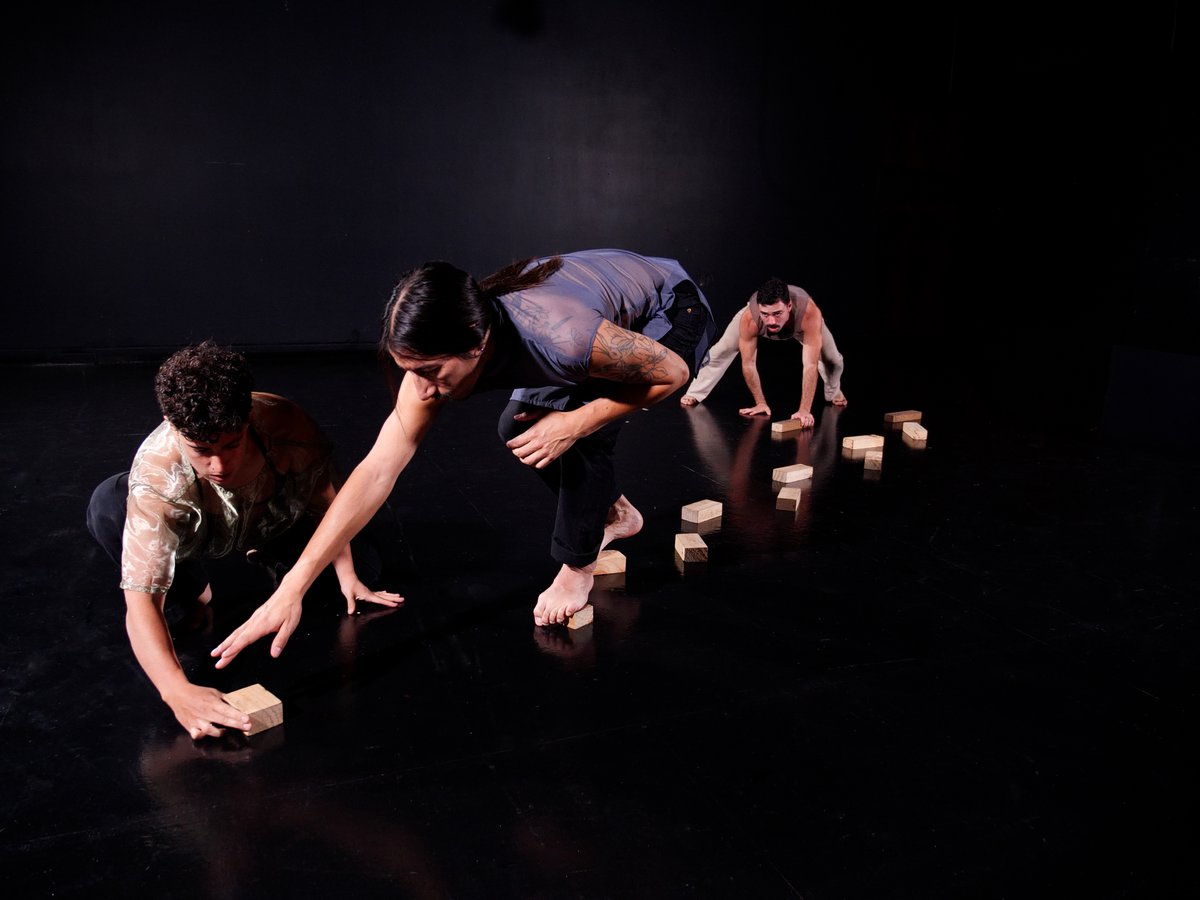
The montage prints an ecological view of the poet, whose text – and in particular the verse of the poem La chinchilla, which titles the work – is presented as a guide for the configuration of the corporal, visual, sound and narrative imagery of the work, and not as a literal adaptation of the poem. In the work, Chile is linked from north to south and from outside to inside through scenes that cover deserts, skins, mountains, bones, rivers, arteries and nerves to try to reconstruct a body-country.
"We had the desire to make an interpretation of Mistral's text that was not a children's version, but rather rescued its avant-garde view for the time in which it was written, where a post-human imaginary already appears, a concern for otherness, and for how human bodies relate to that nature that always overwhelms us," say the directors Camila Cannobbio and Daniela López.
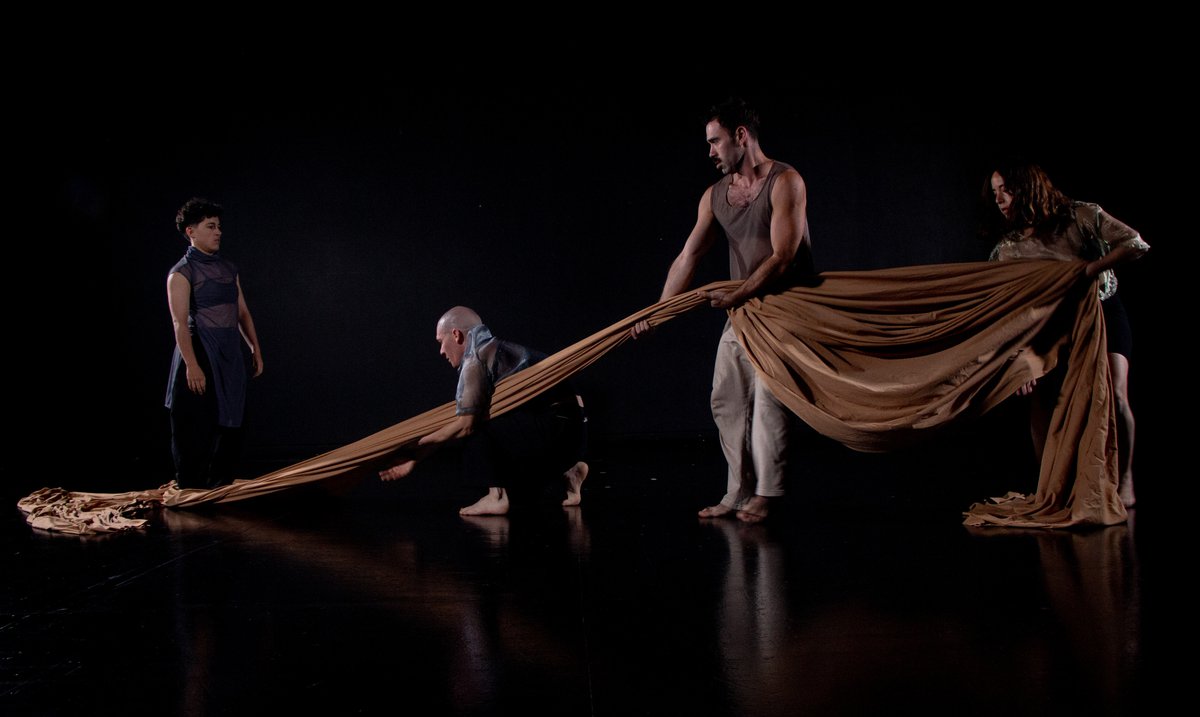
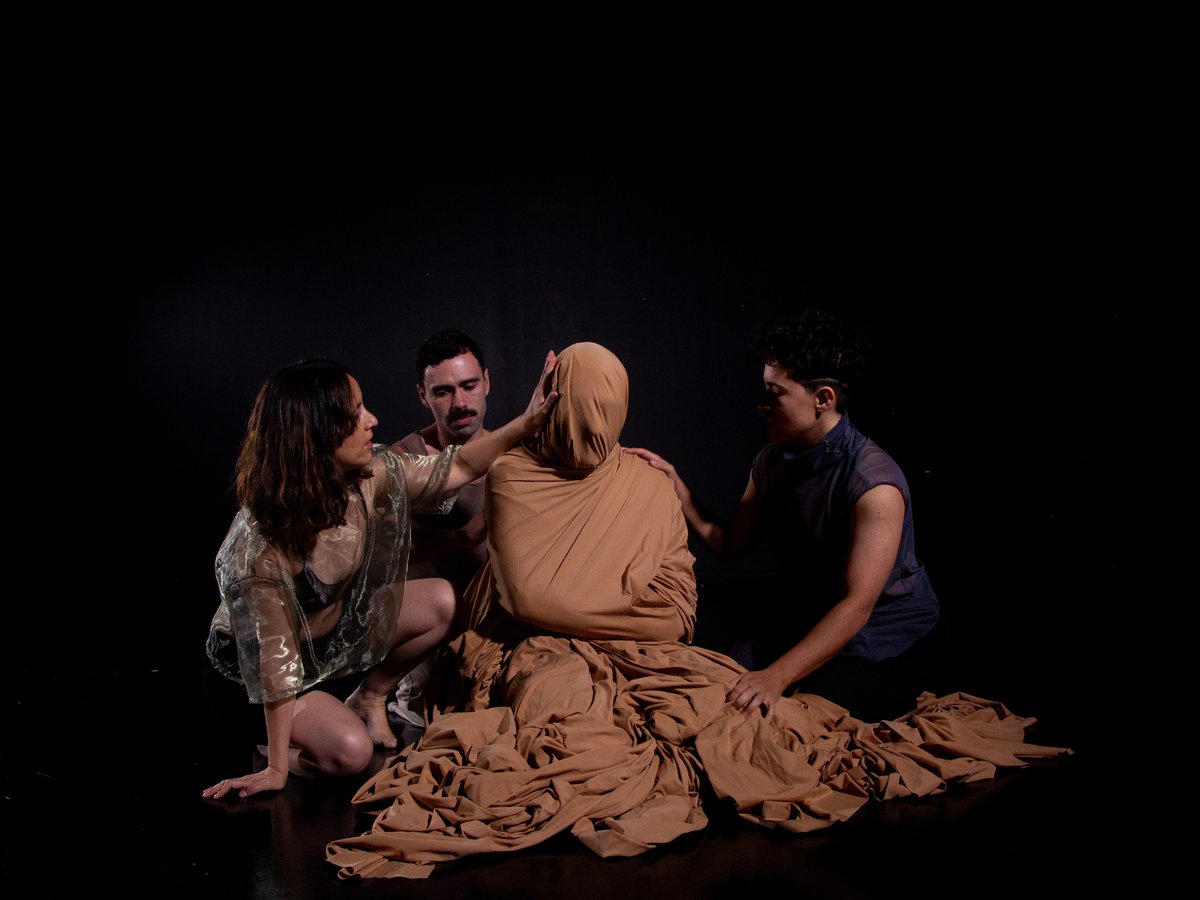
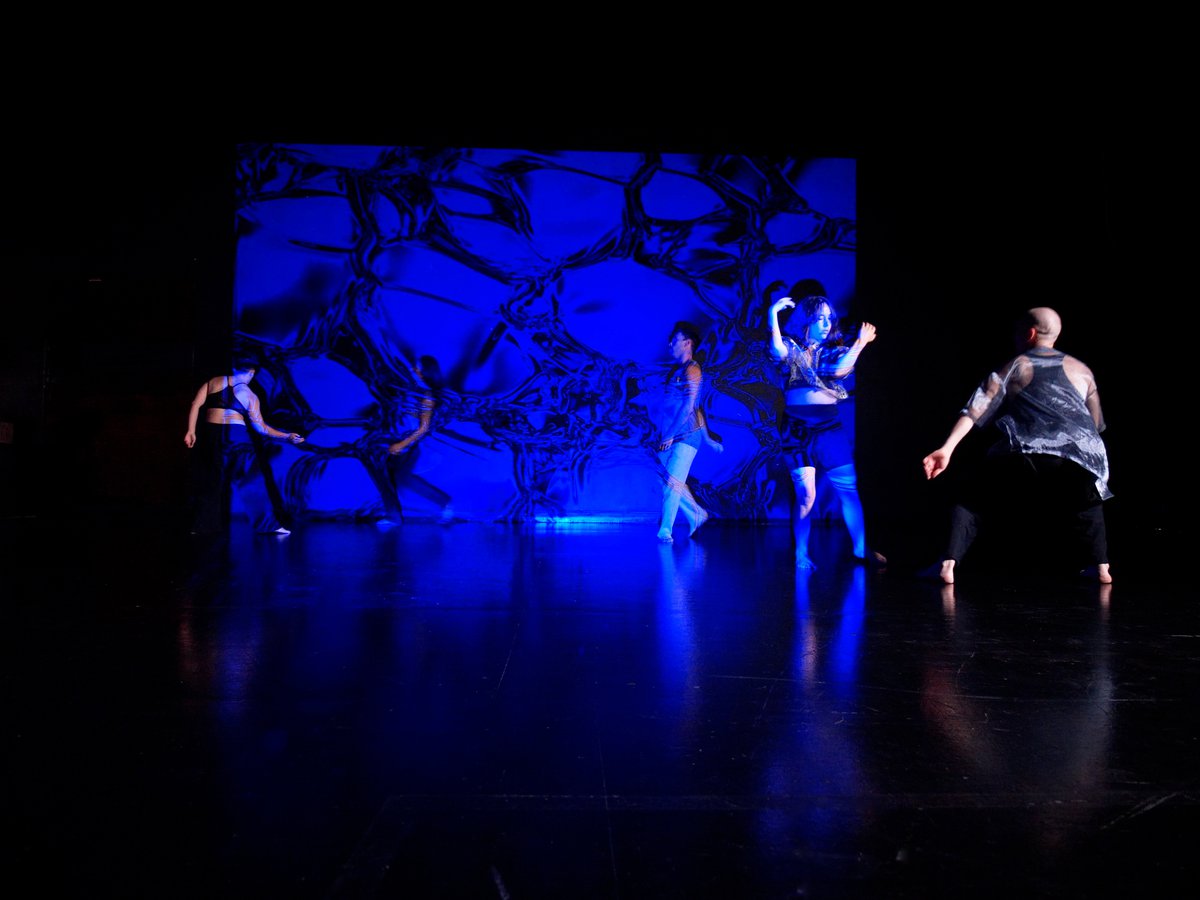
According to its creators, the public will embark on a journey through five "geocorporeal" scenes that evoke the desert (the skin), a torrent of rivers (the circulatory system), a mountain range (the spine), an underground forest (the nervous system) and a thick fog (the breath) that blurs the landscape. Everything, in a collage of images and sensations that combine performing arts, media and sound design.
"We believe that the reflection that the work invites is important from two main lines: on the one hand, to conceive that within our bodies there are also different territories, just as natural phenomena can also be understood as bodies that articulate this country. Secondly, we think it is important to highlight Mistral's book, not only for the beauty of his writing, but also for the ecological criticism expressed in each word. Mistral is ahead of her time who managed to perceive and capture that intersection that many today currents of thought develop around how to inhabit the planet," the directors add.
Mistral dedicated more time than any work to Poem of Chile. In 131 poems, she makes a journey from north to south where the poet reunites with the country she left, approaches its essence and at the same time, says goodbye, becoming a posthumous work, cataloged as a "complex Mistralian poetic inheritance."
Direction: Camila Cannobbio and Daniela López Peña | Creation and interpretation: Ignacia Agüero, Dian C. Carvajal, Nibaldo Manríquez, Álvaro Pizarro, Tomás Riveros | Comprehensive Design: Manuela Mege | Sound Design: Andrea Gana (Yadak) | Multimedia Design: Matías Carvajal | Sound Design Assistance:Laura Vila | Multimedia Assistance: Renata Araya | Stage assistance: Ayleen López | Theoretical advice: Pablo Chiuminatto and Cristian Foerster | Costume construction: Paloma Avendaño | Voice over: Anita Reeves | Press: Claudia Palominos | Work carried out with the support of the School of Theater and the Directorate of Arts and Culture, Vice-Rector's Office for Research of the Pontifical Catholic University of Chile.
“It seems important to us to highlight Mistral's book, not only for the beauty of his writing, but also for the ecological criticism expressed in every word. Mistral is ahead of her time who managed to perceive and capture that intersection that today many currents of thought develop around how to inhabit the planet.”
— Daniela López, director.

Dec 7 to 22, 2024
Thu to Sun — 8 p.m.
Sala N1 (Edificio B, piso 2)
$8,000 General
$6,000 Students and people with disabilities
$5,600 Seniors

$5,600 Gral. every Sunday
Not combinable with other promotions

2X $8,000 only on December 7 and 12.
Not combinable with other promotions
12+ years | Duration: 60 min.
Accessibility
This work presents total darkness for a long time. Smoke and/or dust in suspension and little verbal language.