


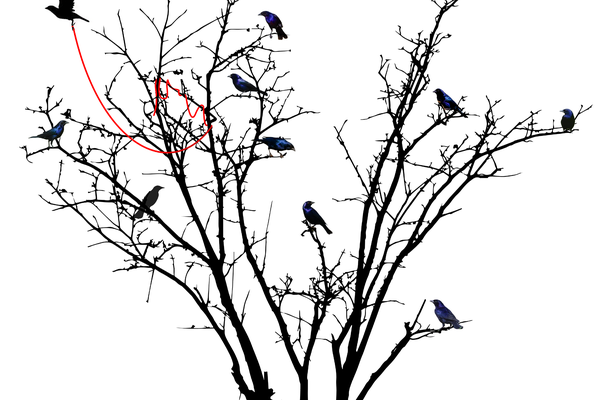
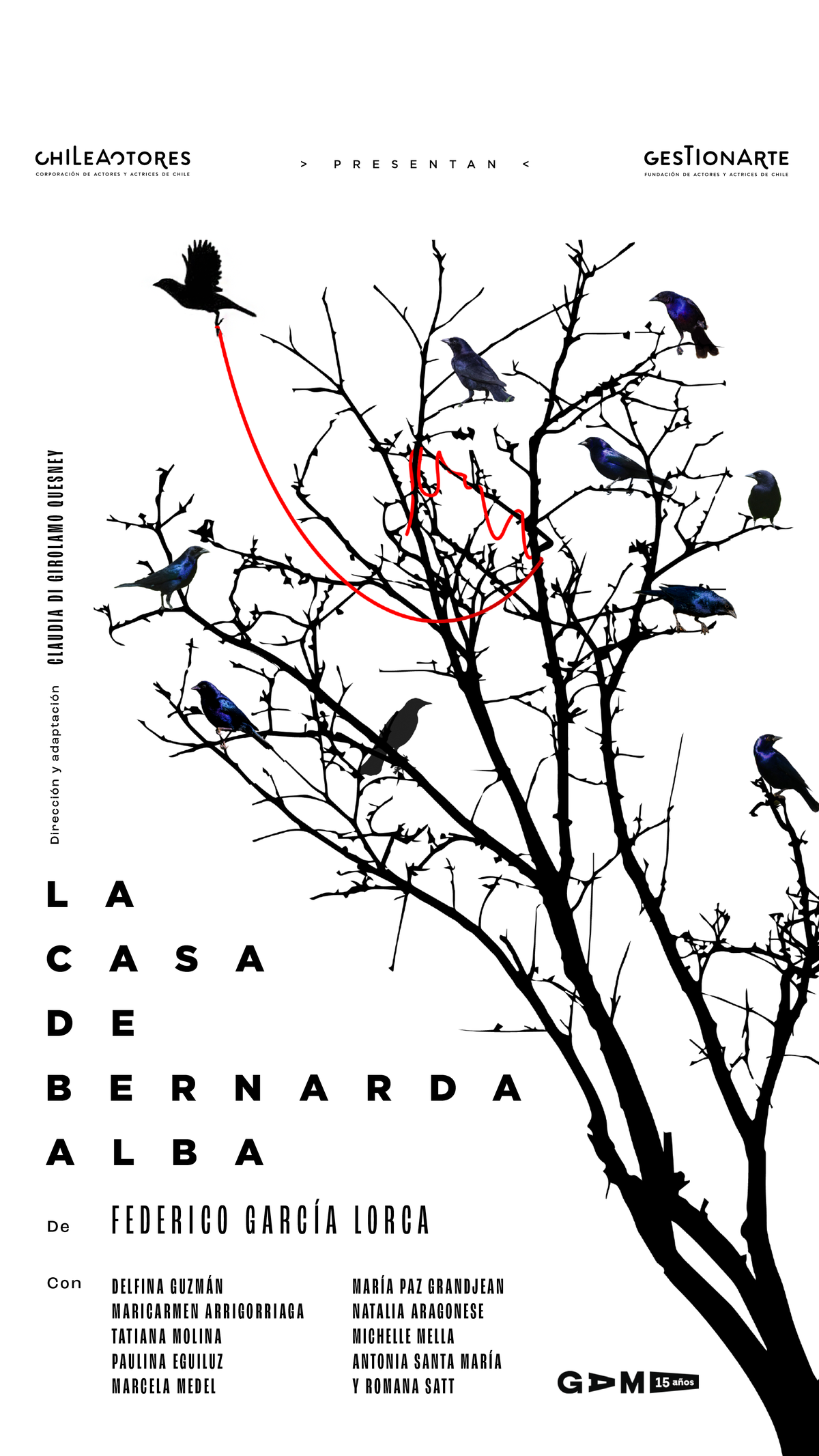
The famous work of Federico García Lorca will be presented free of charge in an audio version, with the voices of 10 great actresses, under the direction of Claudia di Girolamo. An initiative by Chileactores and GestionArte foundation to commemorate International Women's Day.
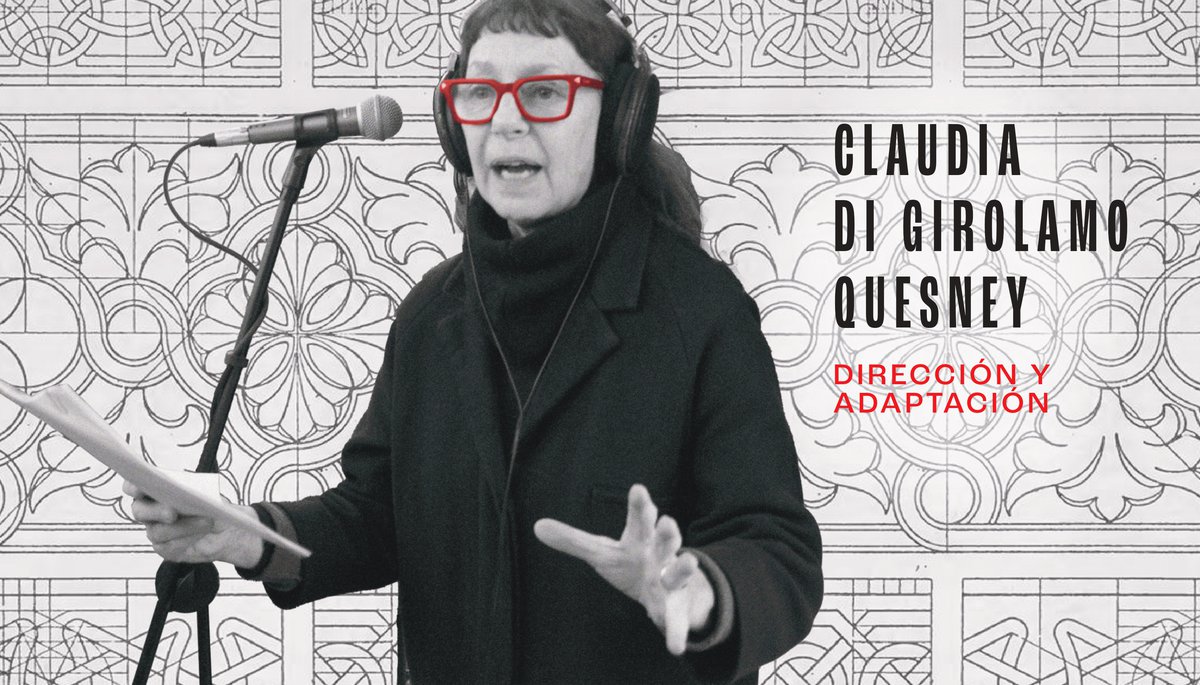
Ten women, actresses, give life to this story that is a classic of universal literature. Through the narration of voices and sounds, Chileactores and Fundación Gestionarte launch the audible version that seeks to give power to the imagination as a resource of radio theater. "The work itself gives us an unprecedented vocal score that invades the interior of this family home," comments Claudia di Girolamo, director.
The House of Bernarda Alba was completed in writing in 1936, and premiered after the death of Federico García Lorca in 1945 in Buenos Aires, Argentina. Along with “Blood Wedding” and “Yerma,” it is part of Lorca's trilogy of rural tragedies, and is considered one of his most important and representative works.
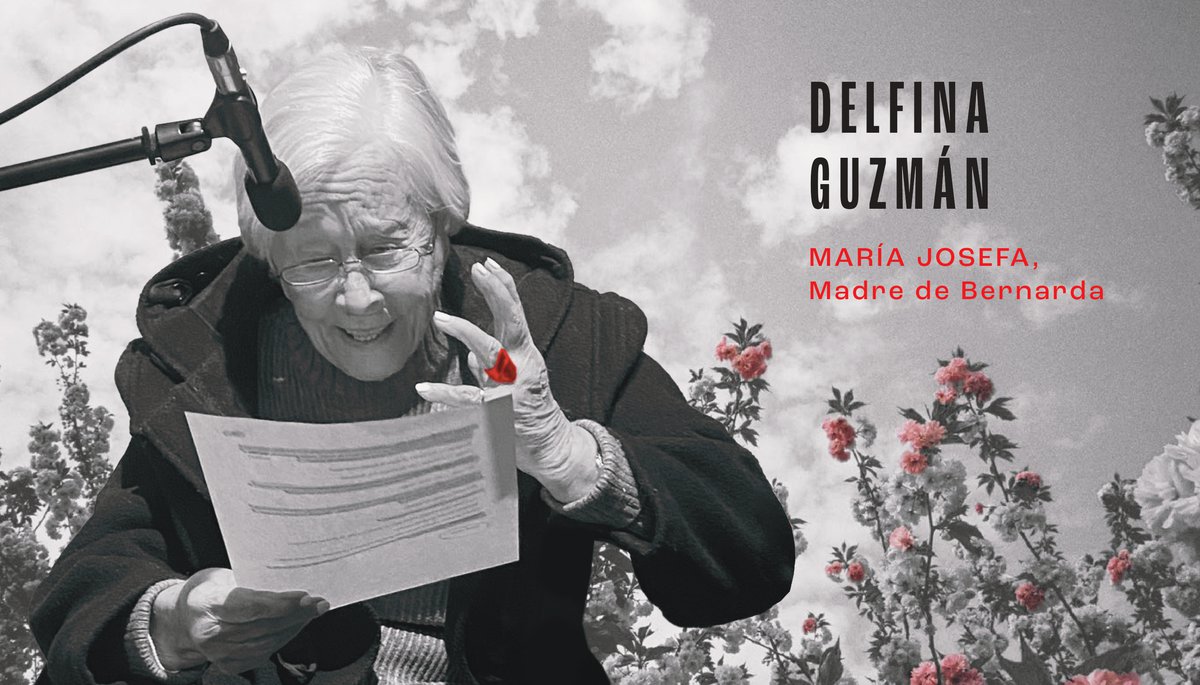
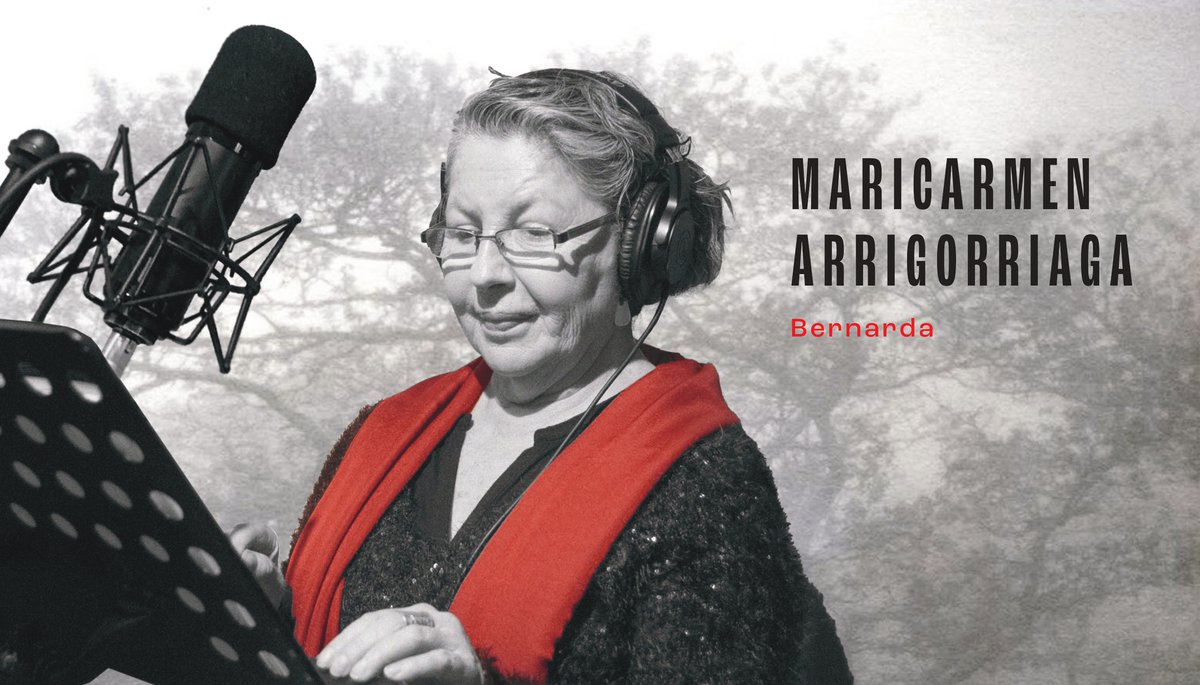
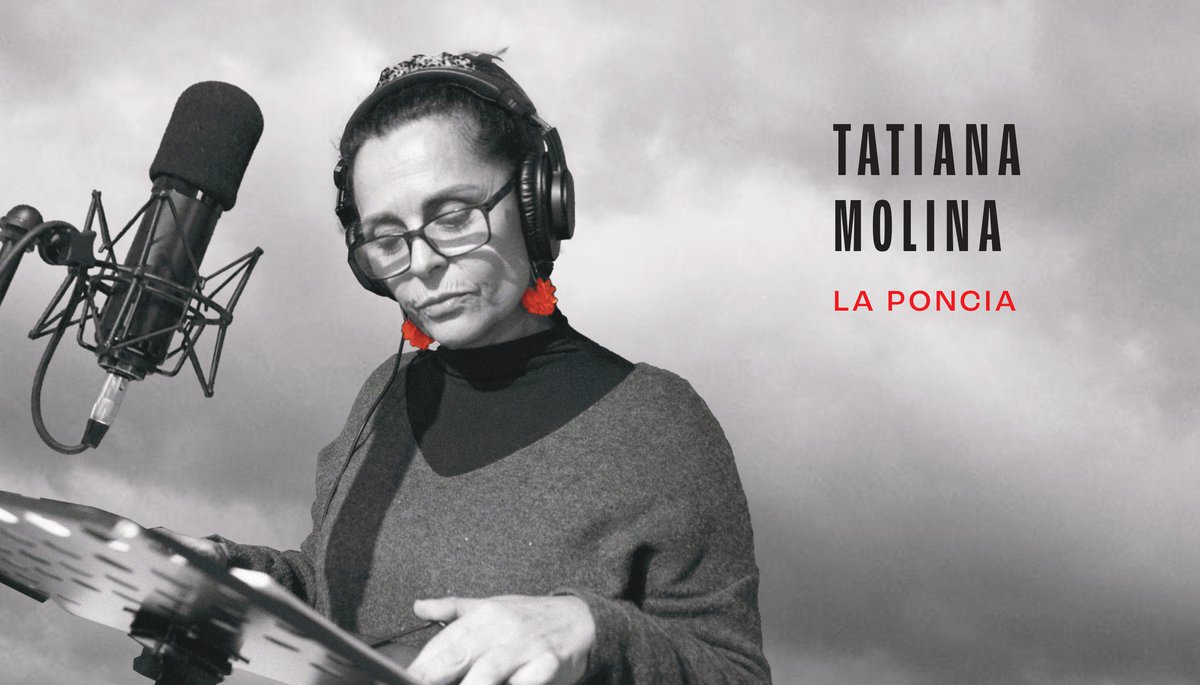
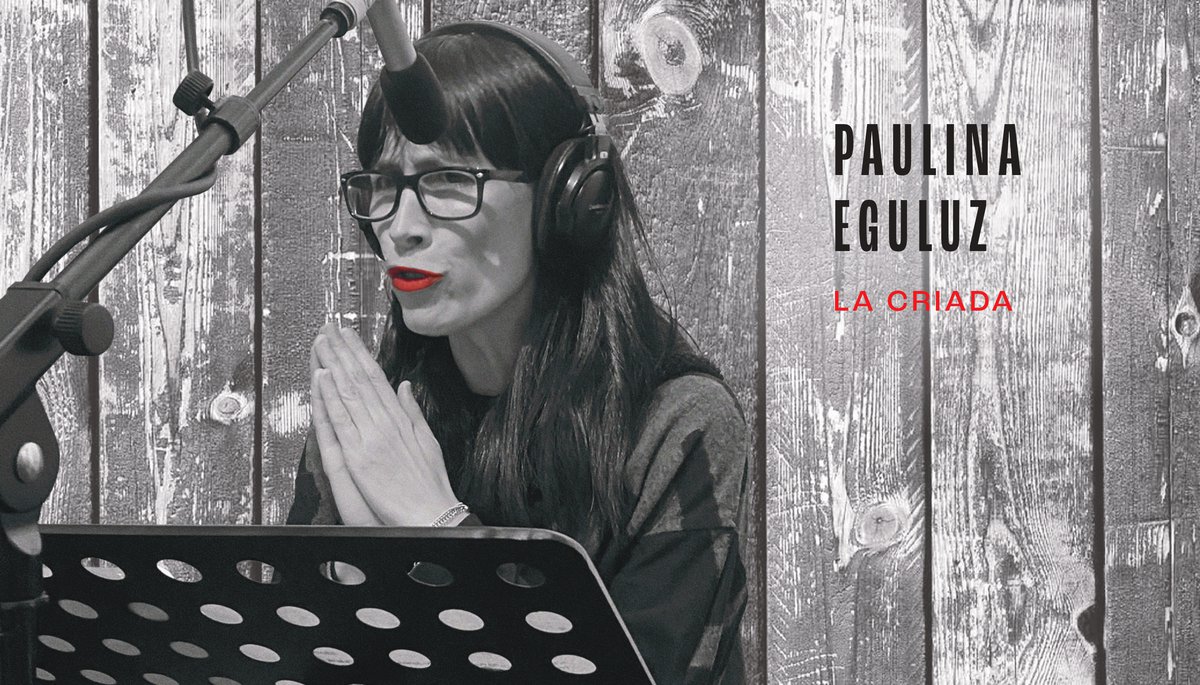
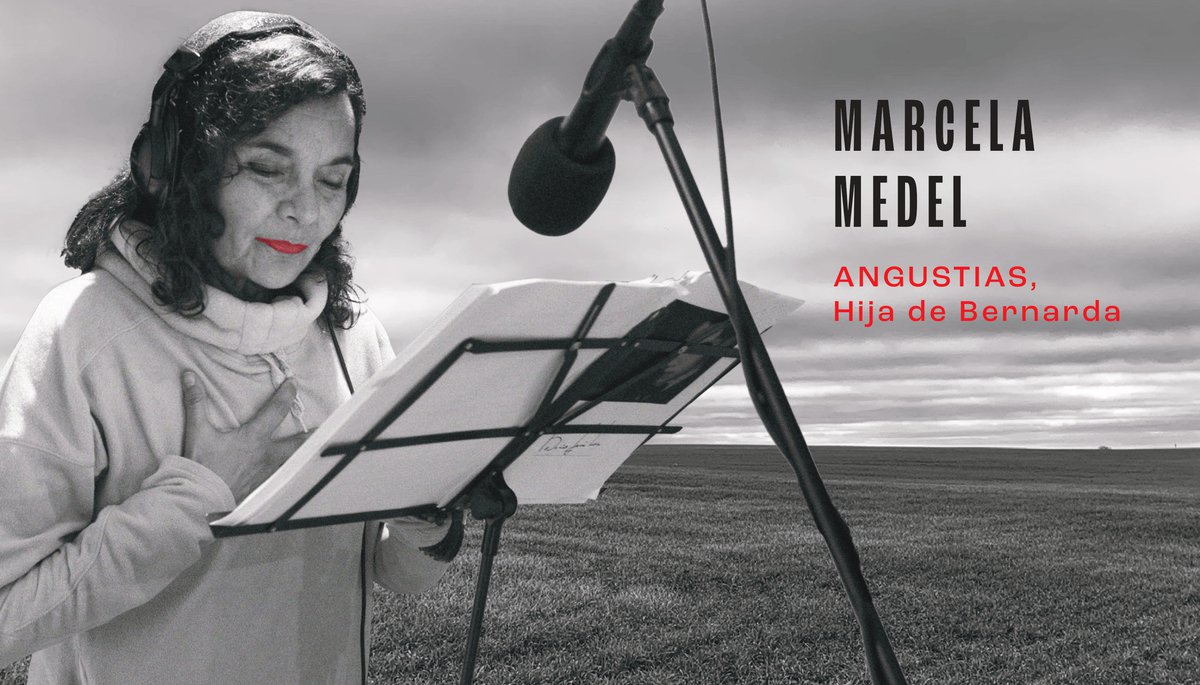
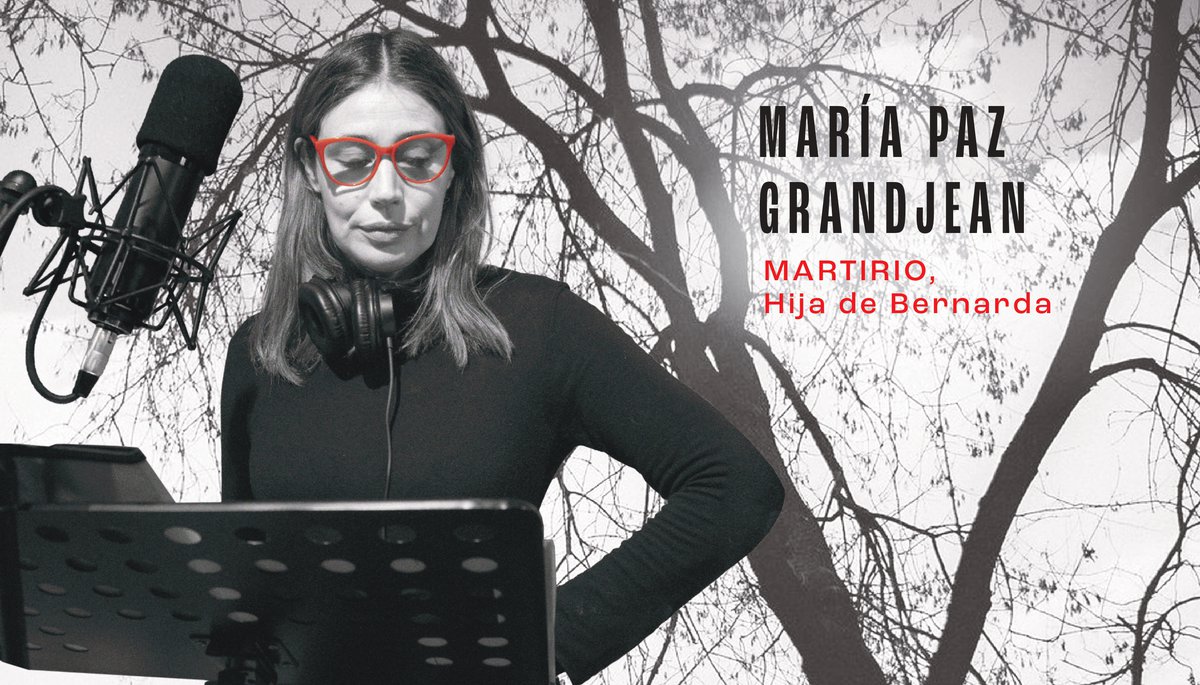
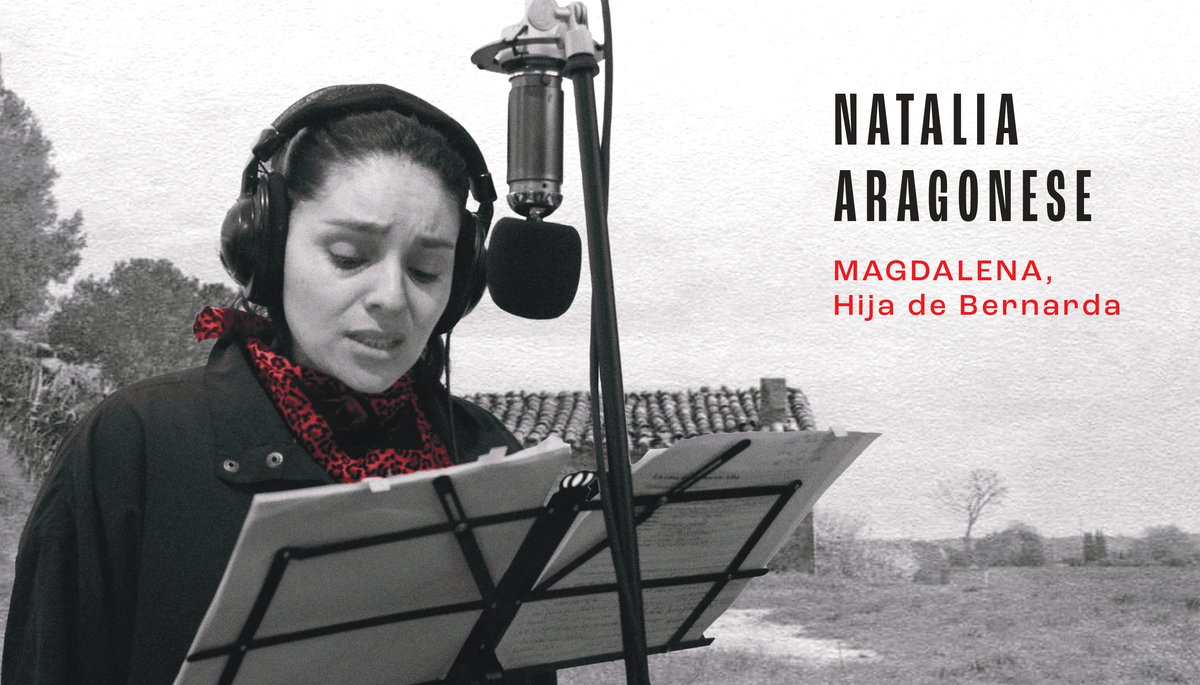
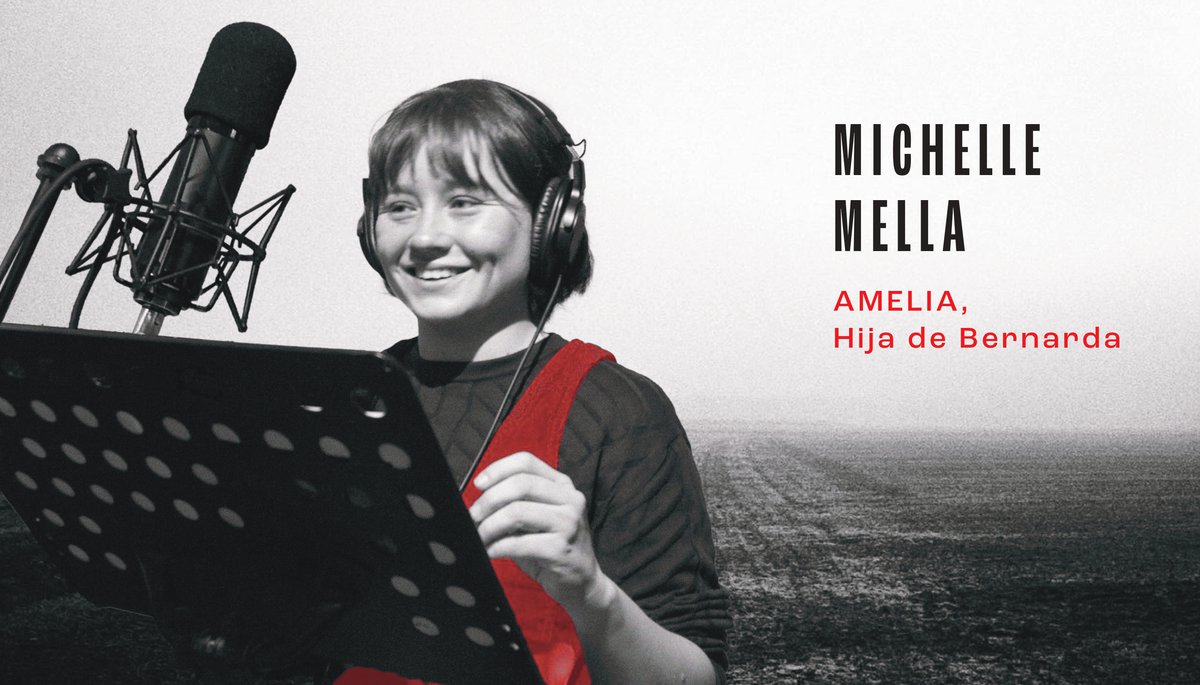
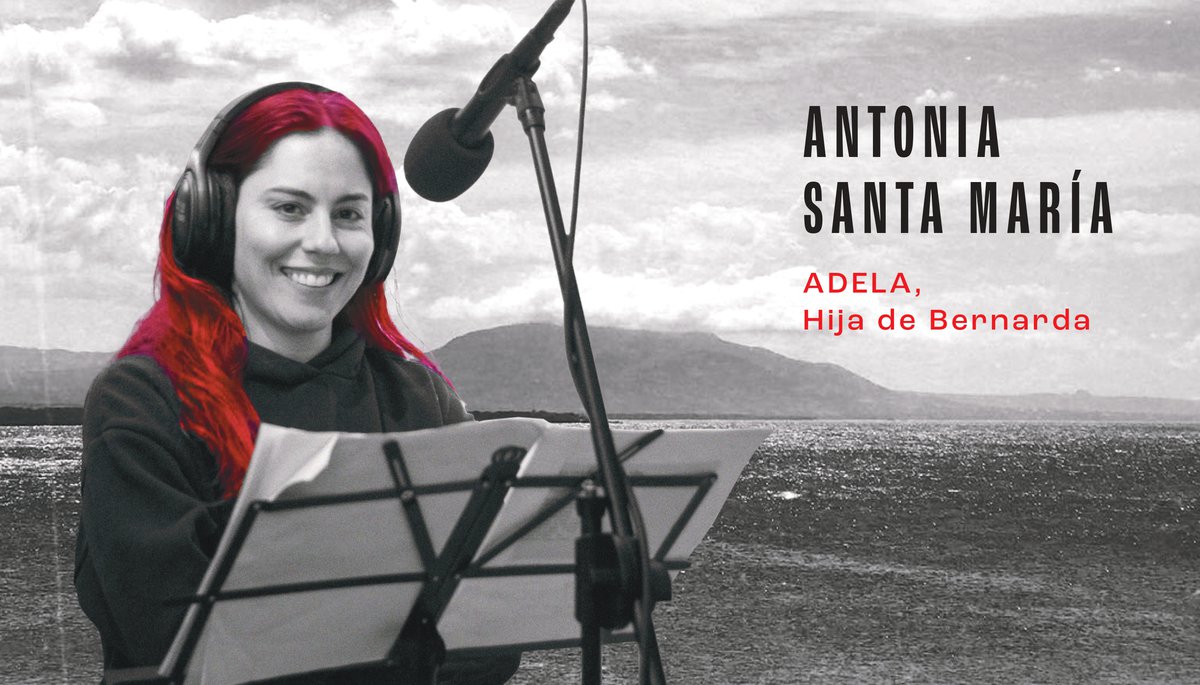
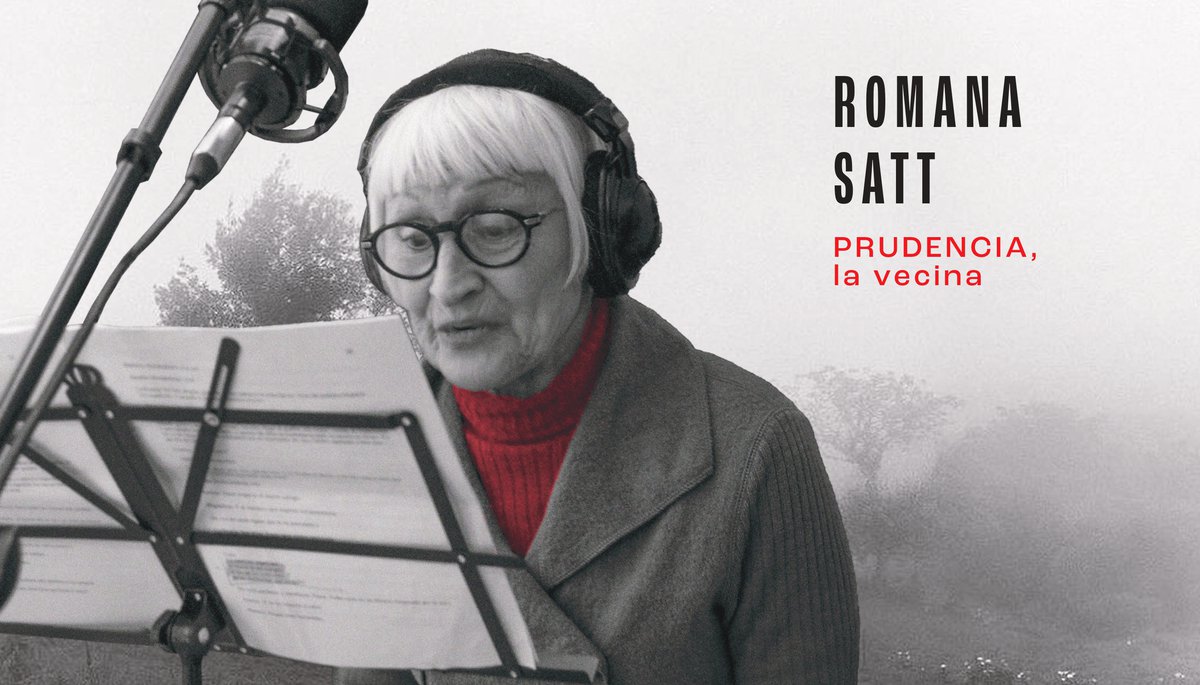
"It is a significant and resonant work to this day. In it, Lorca examines the internal and external struggle of women in a patriarchal society, where the repression of their desires, the imposition of restrictive roles and the search for identity and autonomy are recurring themes," comments the director of this audible version where great actresses participate. Delfina Guzmán, Maricarmen Arrigorriaga, Tatiana Molina, Paulina Eguiluz, Marcela Medel, María Paz Grandjean, Nathalia Aragonese, Michelle Mella, Antonia Santa María and Romana Satt will provide the voices of the characters.
In addition to the cast, this version featured sound creation by Nicolás Moreno, production by Inés Bascuñán and graphic design by Javier Pañella. For this release, a scene will be read live and other passages of the work will be listened to and discussed.
A work that also reveals the changes in the role of women since the beginning of the century. "It forces us to think about how we can improve social conditions, promote equality and freedom in our modern society. When reading, listening to or performing this work we realize, through its characters and conflicts, that its validity is still present since its central themes of repression, freedom, gender and social norms are universal and timeless," concludes di Girolamo.
Mar 7, 2025
Fri—12 p.m.
Sala A1 (Edificio A, piso 1)
Free, prior registration.
Quotes sold out.
14+ years | Duration: 60 min