


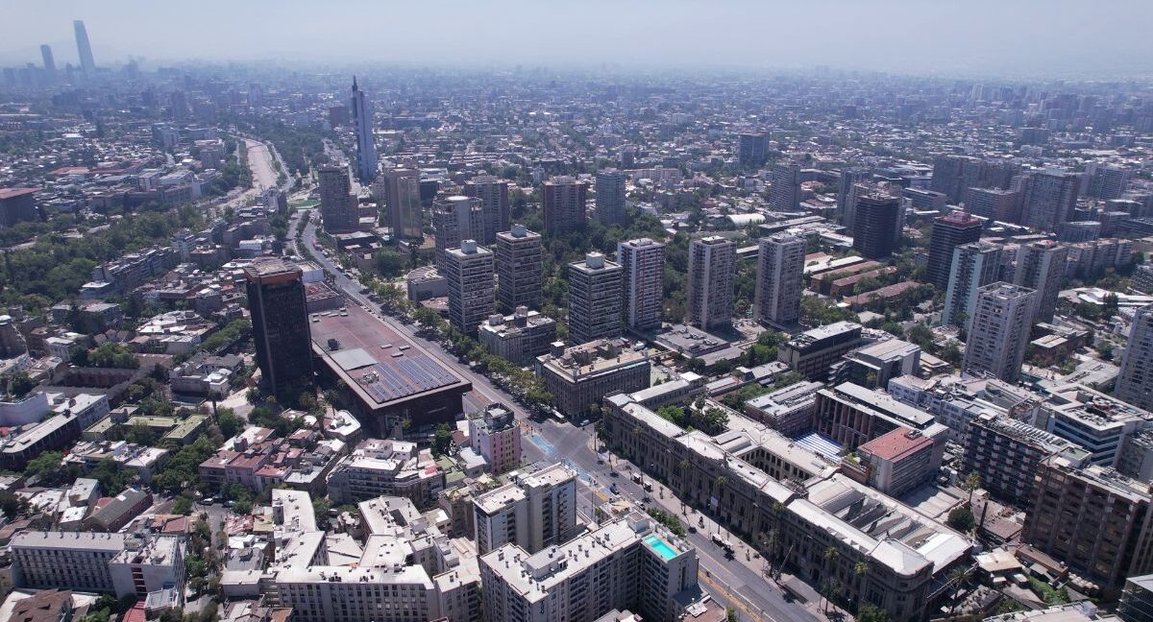
Among them are the National Library, the Gabriela Mistral Cultural Center (GAM), the La Moneda Cultural Center, Matucana100, Alameda Art Center and the UC Extension Center. Also the National Cinematheque and the Normandie Cinema; museums such as the MAC, the MAVI UC, the National Historical Museum and the Violeta Parra Museum; in addition to the Great National Symphony Hall of the University of Chile and theaters such as the Camilo Henríquez, the Coliseum and the Chilean National Theater, along with the USACH Planetarium, the Metropolitan Regional Government of Santiago, several municipalities, UNESCO, Marca Chile and companies such as Territoria.
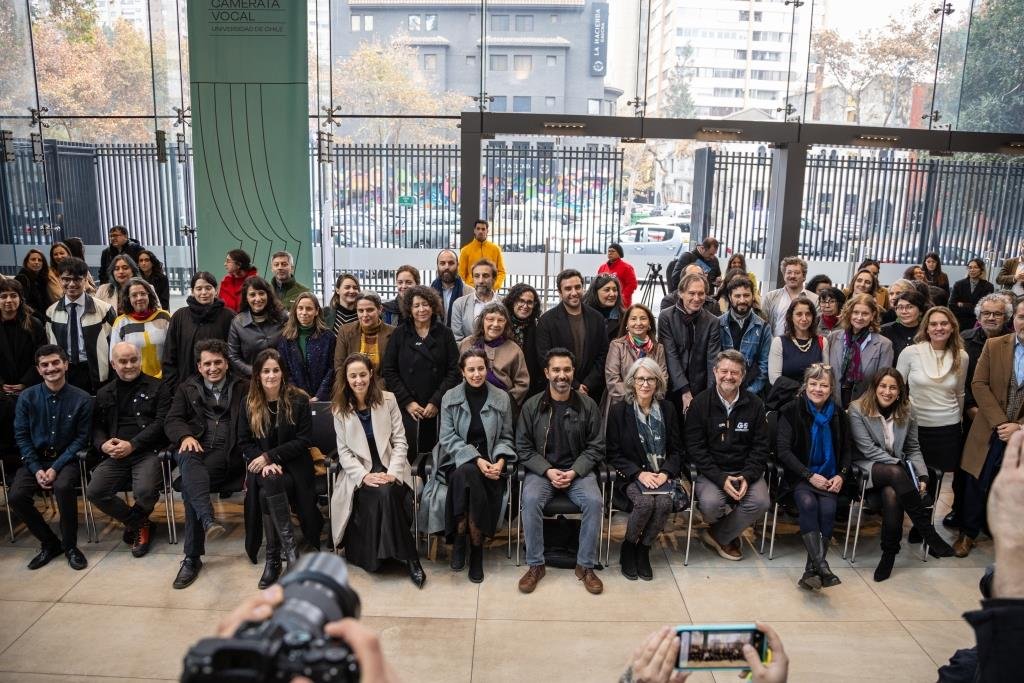
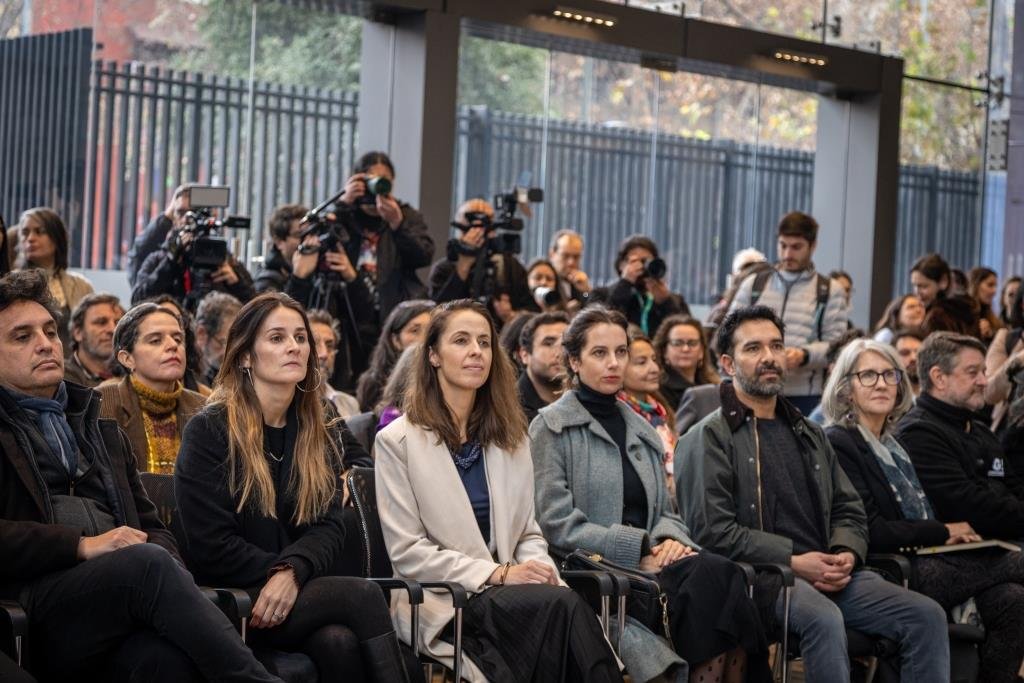
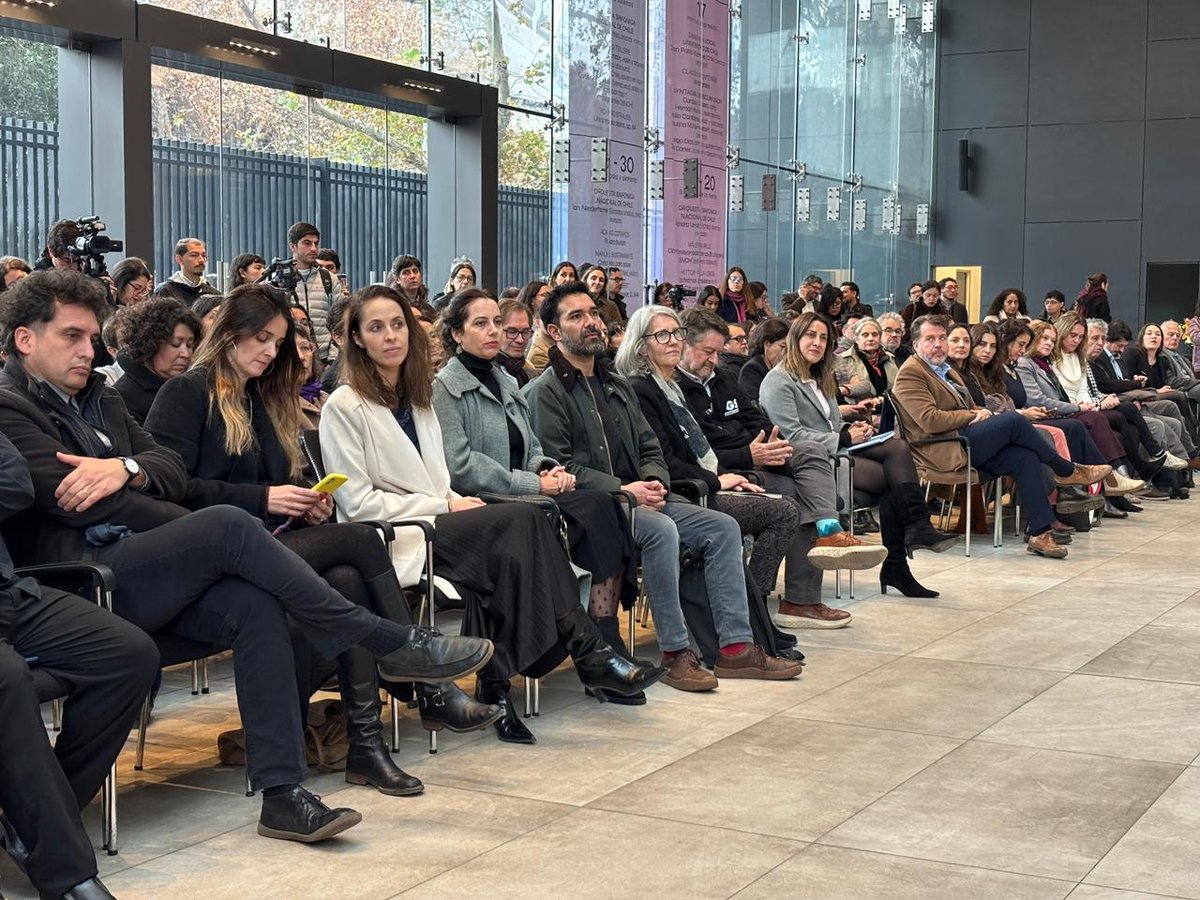
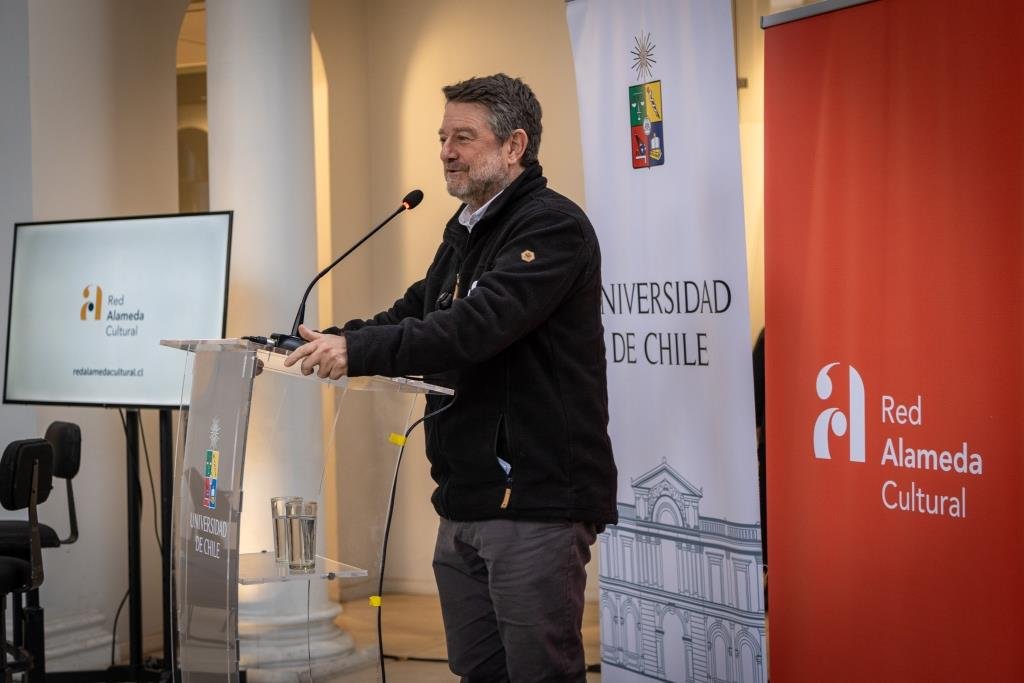
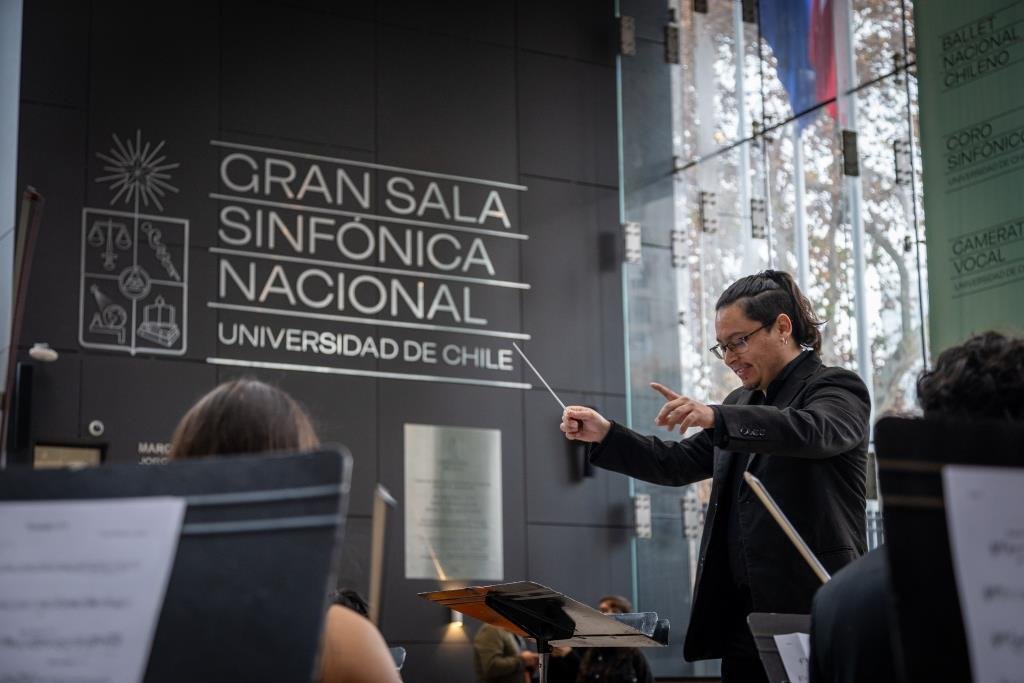
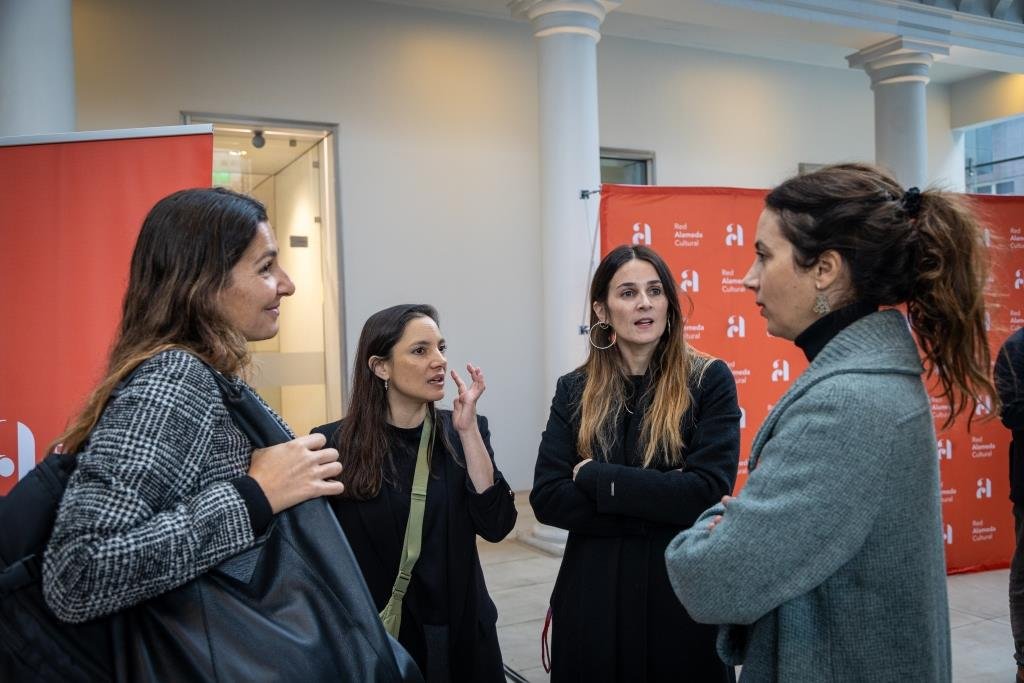
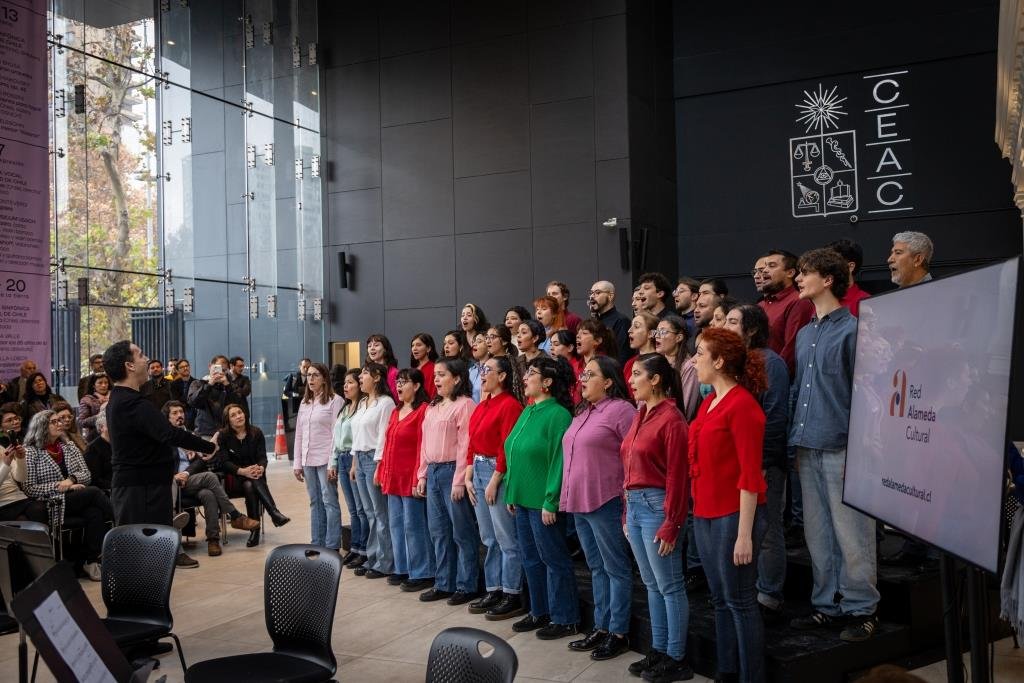
The articulation was publicly announced on Tuesday, June 9, in an event held in the foyer of the Great National Symphony Hall of the University of Chile, with the participation of the Governor of the Metropolitan Region, Claudio Orrego, and representatives of the institutions and organizations that make up the initiative, which included presentations by the Chamber Orchestra and the Community Choir of the Extension Center of the National Institute (CEINA), a reflection of the collaborative spirit that animates the new group.
Neighbors, students and tourists will be able to access the cultural programming of these spaces and plan tours through the website redalamedacultural.cl, and inhabit this avenue and its surroundings as a continuous corridor of artistic, cultural, scientific and heritage activity. For a later stage, the implementation of unified signage is contemplated to reinforce their common identity and facilitate the tour experience.
Avenida Libertador General Bernardo O'Higgins, known as "La Alameda" because of the poplar trees that distinguished it – replaced at the beginning of the 20th century by oriental plane trees – has been the great backbone of Santiago for more than two centuries. The so-called “mother of all the streets of Chile” has seen everything from aristocratic promenades and republican palaces to citizen marches and sports celebrations. Today, while different projects seek to recover this public space, more than fifty cultural and academic institutions, public and private, located along its axis – museums, theaters, cultural centers and universities – have decided to join together for the first time to constitute the Alameda Cultural Network with a clear objective: to reactivate the center of the capital through culture.
The launch of the Alameda Cultural Network took place on Tuesday, June 9 in the foyer of the Great National Symphony Hall of the University of Chile, a space that is part of the new group. The event included the participation of the Governor of the Metropolitan Region, Claudio Orrego, and representatives of the organizations that make up the initiative, in an event that included a presentation by the Chamber Orchestra of the Extension Center of the National Institute (CEINA), which performed Tonada N°5 by Pedro Humberto Allende and Memories by Enrique Soro, two works from the Chilean symphonic repertoire, while the Community Choir of the same institution presented Pinares by Alfonso Letelier Llona and the Ave Verum Corpus by Wolfgang Amadeus Mozart.
"The Alameda Cultural Network was born from the conviction that education, culture and heritage are public goods that acquire their greatest meaning when they are shared. That its launch takes place in this space, the anteroom of the Great National Symphony Hall of the University of Chile, is especially significant: it is a work that expresses our commitment to the city and to citizens' access to arts and culture. This network will allow us to strengthen collaboration between institutions and project the Alameda as a great cultural, educational and heritage corridor open to all people”, points out Pilar Barba, Vice-Rector for Extension and Communications at the University of Chile.
4 million people to the Alameda
The institutions that are part of the Alameda Cultural Network together attract more than four million people a year. They are also located in the densest cultural corridor in the country; In almost 7 kilometers, from Santiago Bueras Park to Baquedano, more than 150 entities of this type are concentrated, following in the footsteps of the Museum Mile in New York, the Museum Island in Berlin, Paulista Avenue in São Paulo or the Arts District in Buenos Aires.
"For more than 30 years at Centro Arte Alameda we have worked for cinema and culture, with interdisciplinary programming in constant reinvention, promoting meeting spaces that are truly so fundamental to understanding ourselves as a society, and today more than ever. In that sense, I know that the Alameda Cultural Network will strengthen and revitalize the ecosystem of the central area of the capital, attracting new audiences. Communities, including new generations of students, from childhood to higher grades, are fundamental to imagine an empathetic and informed. At present they mean stimulating challenges to move forward," says Roser Fort, executive director of the Alameda Art Center.
Added to these words are those of Gabriel Hoecker, head of Communities at the La Moneda Cultural Center, another of the driving institutions of the Alameda Cultural Network: "this Network was born from a profound vision: understanding the Alameda as a cultural corridor capable of connecting institutions, heritage spaces, universities, companies, theaters, museums and neighborhoods in the same living circuit. It is an unprecedented effort of articulation to give sustainability to this axis, promoting local development, identity, the service economy, urban revitalization and security from pride, care and affection for our city.”
Security and economic growth
The sustained presence of cultural activity in the Alameda Axis also has direct effects on urban life. Theater performances, exhibitions, concerts and film series generate circulation of people during the day and night, reactivating streets and neighborhoods that are part of this corridor, which can contribute to reinforcing the use and appropriation of spaces, in line with different public priorities.
"To achieve the revitalization of our city there are key factors: the occupation of public space, community life and the care of heritage, which in turn generate security. Along these lines, the Alameda Cultural Network allows us to promote all these axes by articulating more than 40 institutions. From the Government of Santiago, we have the experience of the Nueva Alameda megaproject, which taught us that the revitalization of the city is done together. That is why it is essential to have a common vision between the public, private world and academia: to promote art, culture, heritage and life in our historic center,” says the Governor of the Metropolitan Region, Claudio Orrego.
From an economic point of view, the annual flow of visitors that these institutions attract has the potential to boost commerce, gastronomy and services in nearby sectors. For this reason, the Alameda Cultural Network has also attracted the attention of companies like Territoria. "The projects that we are promoting from Territoria, in the center of Santiago, seek to enhance the development of the city, generating meeting places for the thousands of people who live, work and circulate through their neighborhoods, being active spaces of culture, exchange and learning. Our objective is to work jointly with the different institutions and cultural centers, in order to strengthen a cultural circuit that can also be connected through living public spaces that revitalize and give value to this sector of the city," said Ignacio Salazar, General Manager of Territory.
New online portal, governance and future projection
As the first concrete action of the Alameda Cultural Network, starting June 9, the online platform redalamedacultural.cl will be available, which will bring together in a single space the cultural programming of the entities distributed between Lo Prado and Providencia. The site will allow access to activities of all kinds – art exhibitions, theater and film performances, children's activities and scientific dissemination programming – and plan tours, offering an integrated and complete experience as does the website Paris je t'aime about the French capital or La Vitrine in Montreal.
The launch also marked the public presentation of the Red Alameda Cultural logo, designed by Julián Naranjo, visual artist, graphic designer and academic at the Department of Advertising and Image of the Technological Faculty of the University of Santiago de Chile. Chosen among the 100 best poster designers in the world, he is the author of brands with a wide presence in Chile and abroad, including Cerveza Cristal, Fensa, Casa&Ideas, CTC, Luchetti, Ferrocarriles del Estado, the Internal Revenue Service and Valle Nevado.
In a later stage, the Alameda Cultural Network and the Regional Government of Santiago have planned the implementation of an integrated signage system that allows the axis to be traversed as a continuous cultural corridor with its own identity, together with a governance model aimed at coordinating agendas between the institutions and maintaining a permanent dialogue with local authorities and actors in order to ensure the sustainability of the project.
Organizations that are part
The Alameda Cultural Network is made up of the National Archive of Chile; Heritage Archive of the University of Santiago de Chile; Balmaceda Young Art; National Library of Chile; Balmaceda Literary Café; Parque Bustamante Literary Café; Alameda Art Center; Casa Palacio Cultural Center; CIMA Cultural Center; Cultural Center of Spain; Gabriela Mistral Cultural Center (GAM); Mount Carmel Cultural Center; La Moneda Cultural Center (CCLM); Lo Prado Cultural Center; Matucana Cultural Center 100; Artistic and Cultural Extension Center of the Catholic University (UC Extension Center); Extension Center of the National Institute (CEINA); Normandie Art Cinema; National Cinematheque of Chile; College of Architects of Chile A.G.; University Press; Fundación Imagen de Chile (Marca Chile); Gabriela Mistral Contemporary Art Gallery; Metropolitan Regional Government of Santiago; Great National Symphony Hall of the University of Chile; Illustrious Municipality of Estación Central; Illustrious Municipality of Santiago; Restless Bookstore; GAM Bookstore; Chilean Museum of Pre-Columbian Art; San Francisco Museum of Colonial Art; Museum of Contemporary Art (MAC), Parque Forestal headquarters; Museum of Contemporary Art (MAC), Quinta Normal headquarters; UC Museum of Visual Arts; Santiago Fire Museum; Salvador Allende Solidarity Museum; BancoEstado Savings Museum; National Historical Museum; National Museum of Fine Arts; Violeta Parra Museum; United Nations Educational, Scientific and Cultural Organization (UNESCO); Planetarium of the University of Santiago de Chile (USACH Planetarium); Pontifical Catholic University of Chile; Camilo Henriquez Theater; Colosseum Theater; Chilean National Theater; University of Chile Theater; London Space (Territory); Alberto Hurtado University; University of Chile; University of Santiago de Chile; Diego Portales University