

Humor and artificial intelligence
“We are convinced that art and culture activate ways of thinking and creating the present. The works are not limited to the exhibition: they excite, make them uncomfortable, connect, open questions and build a way of looking at the world and sharing a point of view.”
— Felipe Reyes, director (I) of GAM Programming.
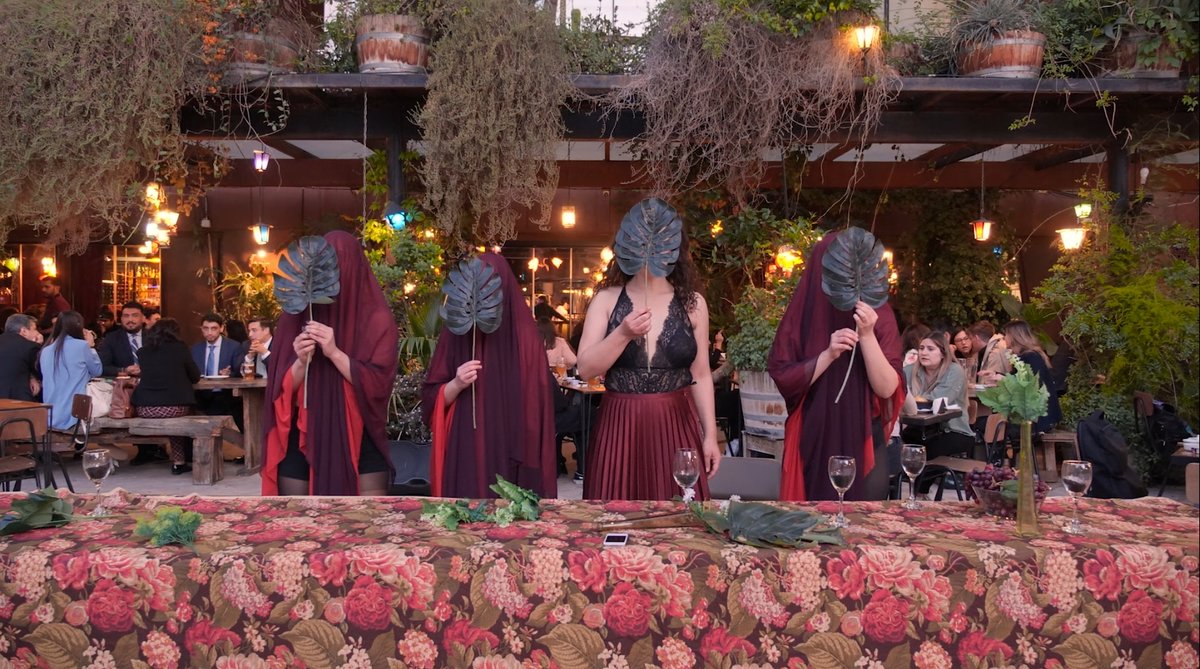
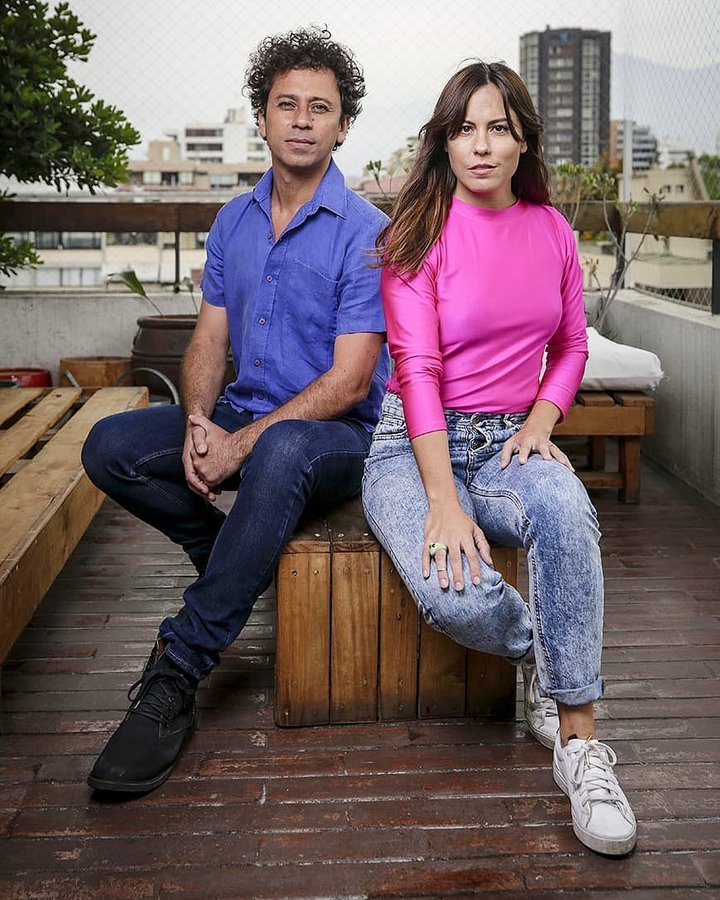
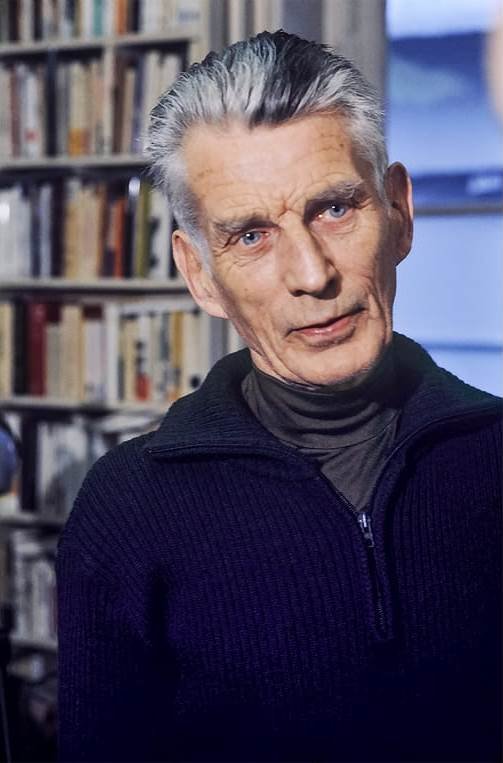
Theatrical premieres will begin with the new GAM Production, together with the La Santa company, "The Happy Days". Samuel Beckett's text turns the absurd into existential humor, when he places a woman buried up to her waist, but with maddening optimism. Álvaro Viguera's direction will tell how to keep going when everything collapses.
In “Propaganda”, a GAM and Theater Heidelberg (Germany) Co-Production and directed by Ana Luz Ormazábal, we reflect on the language of hate and the power of misinformation. A work that analyzes how extremist discourses use social networks and the media to promote fear of difference.
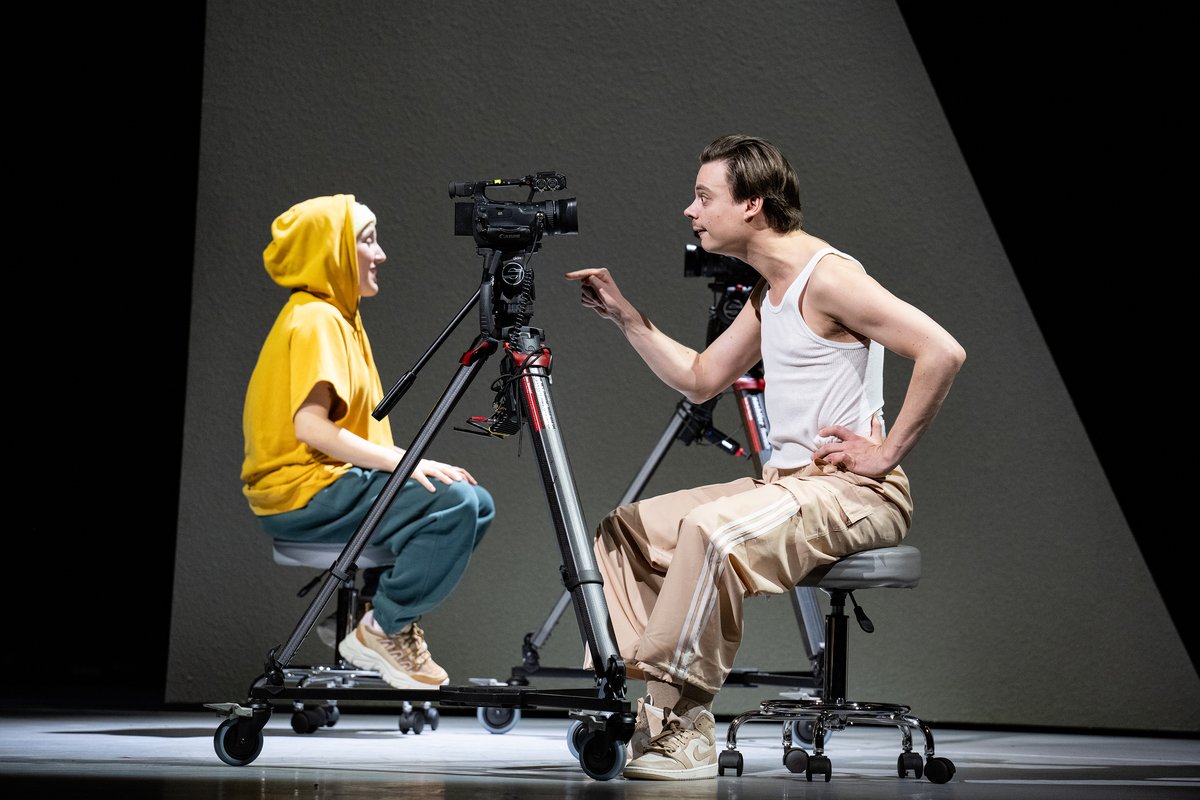
Propaganda, released in Germany in 2025.
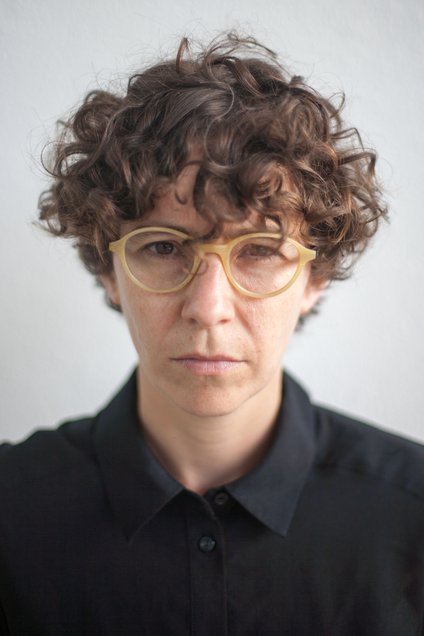
Another GAM co-production will be with the Theater Basel of Switzerland and under the direction of Manuela Infante. This is "Sirens", a work that unites the voices of half-human and half-animal creatures, with today's sound signals emitted by police cars, firefighters or disaster warnings.
Coinciding with the Year of the Brain promoted by the Ministry of Science, a GAM co-production with Teatro Niño Proletario will be released. Directed by Francisco Medina, "Cerebro" will star actor Jorge Becker, who has been living with leukoencephalopathy for 11 years. The staging invites us to think about the human brain when it fails and in the midst of artificial intelligence.
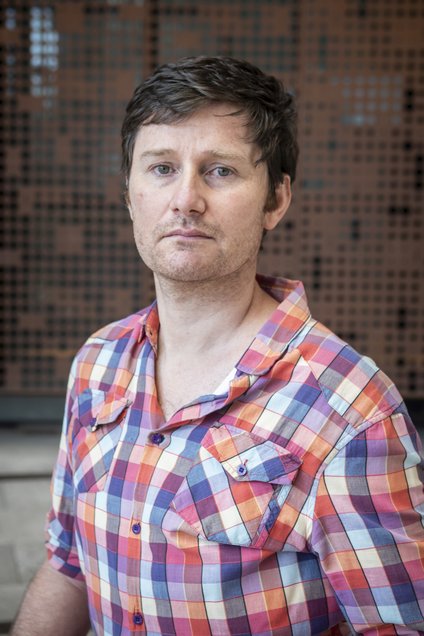
Francisca Gavilán and Francisco Pérez-Bannen will star in “Furias”, written by Manuela Oyarzún and directed by Víctor Carrasco. This co-production crosses art, science and mental health to question their hierarchies and modes of power. In “The death of the father”, by the brothers Gopal and Visnú Ibarra Roa, the last days between a cosmonaut father and his daughter are recounted. Although he is dying, she cannot forgive him. The work criticizes traditional family structures and the father figure as a symbol of authority.