


GAM Constituent Mail
Constituent Mail is a project of the GAM Hearings team (year 2022) whose purpose is to value the participation of girls, boys and young people in the constitutional discussion process, which is currently taking place in the country.
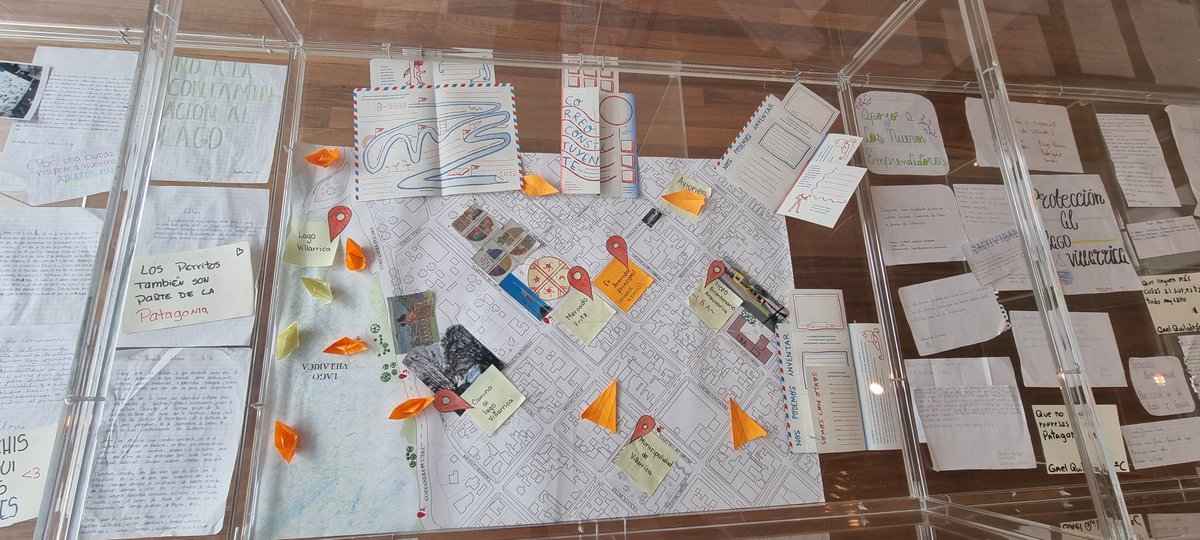
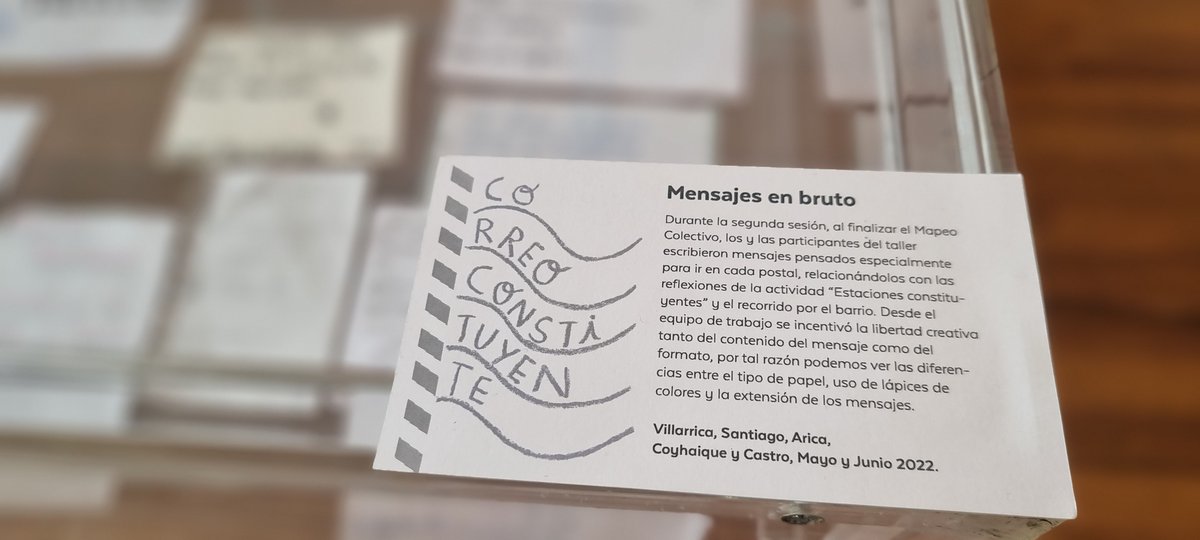
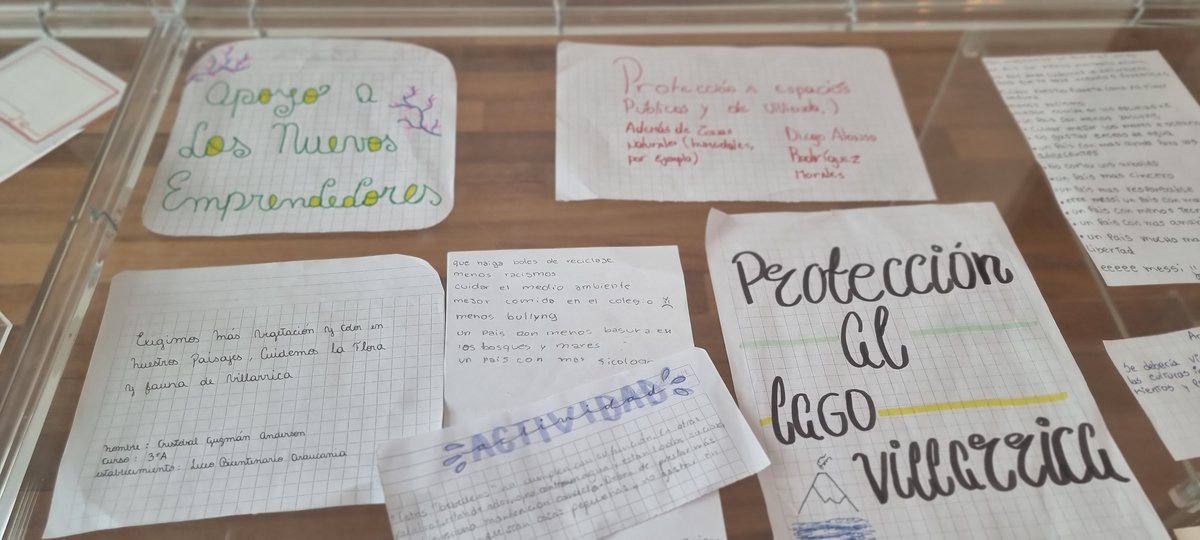
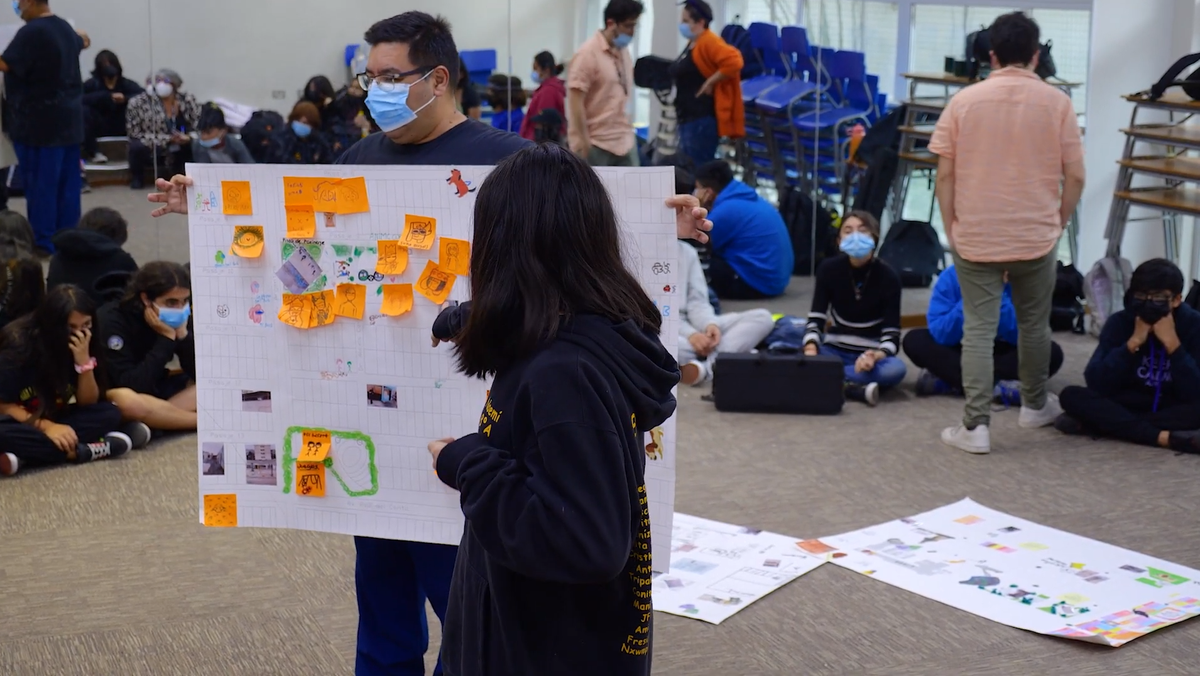
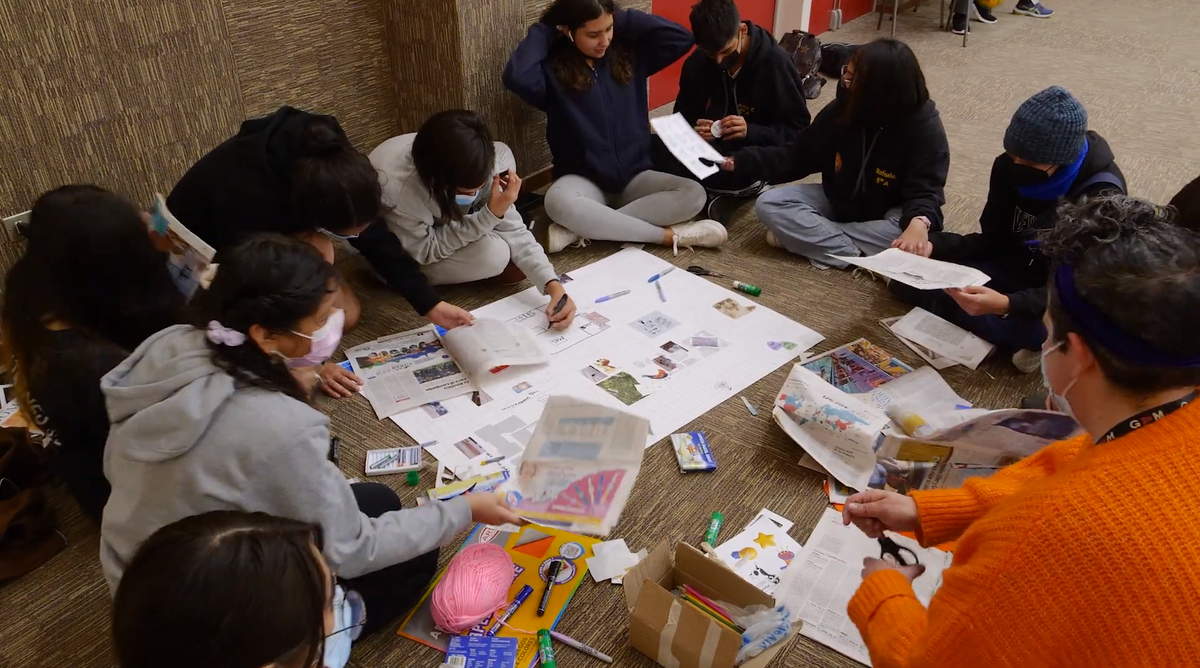
Through participatory methodologies such as tours of their neighborhoods, conversations between peers and collective cartographies, postcards were created with photographs taken by the students themselves and with reflections, proposals and concerns that they wrote from their perspective and reality.
Students from seventh grade to fourth grade, aged between 12 and 17, from five regions of Chile participated in this project: Arica, Santiago, Villarrica, Chiloé and Coyhaique.
“We have a duty as a cultural center that our methodologies are known in other cultural spaces, educational establishments and also public schools, because we believe that art is the channel for a country to grow and develop in the best way. We would like to invite you to learn about and study this work methodology so that you can replicate it. Today, as we live through such important historical moments, it is essential to listen to the voices of young people and children”
— Felipe Mella, executive director of GAM.
Figures
- 317 students participated directly in the project. The indirect reach is estimated at 1,210.
- High schools that were part of the project:
- Republic of Panama School (Santiago)
- Araucanía Bicentennial High School (Villarrica)
- Arica Artistic High School (Arica)
- Josefina Aguirre High School (Coyhaique)
- Aitué School and Lyceum of Culture at CECRA (Castro)
- More than 300 photographs were sent by the students
- 126 different designs were made with 5 copies of each one with different messages written by the students who participated, that is, a total of 630 postcards.
- Students from 7th to 4th grade, between 12 and 17 years old, participated.
“The cultural center has a mission not only within the building, but it also has a role at the national and decentralization level that is very important to channel within the constituent process and for that we decided to circulate”
— Denise Elphick, Head of GAM Hearings.
Documentary
The record of this work can be seen in a documentary by director Gabriel Razeto that will be available free of charge on GAM's audiovisual platforms.
Exposure
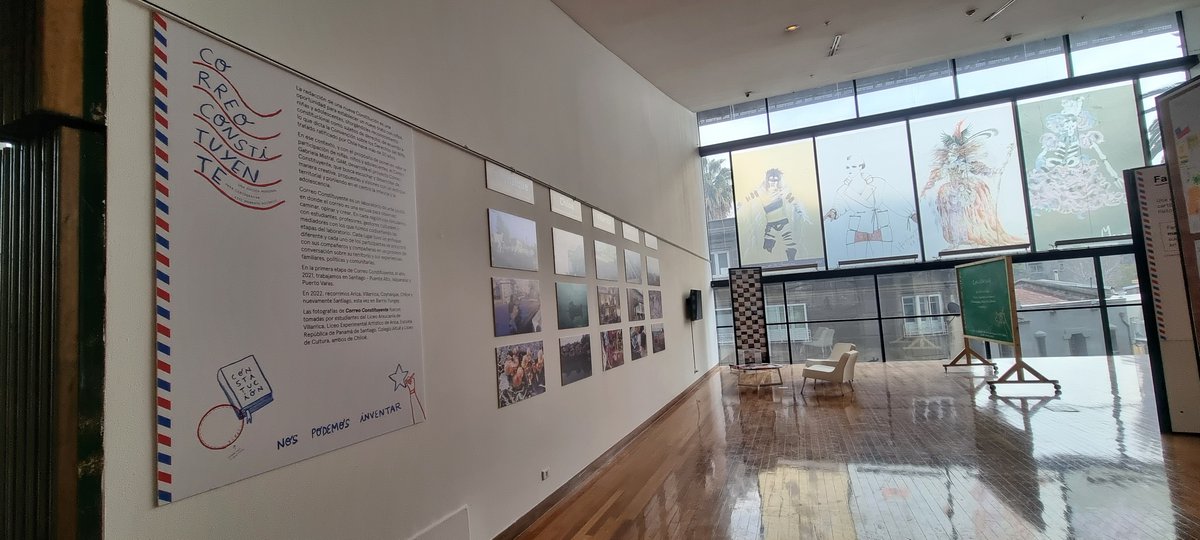
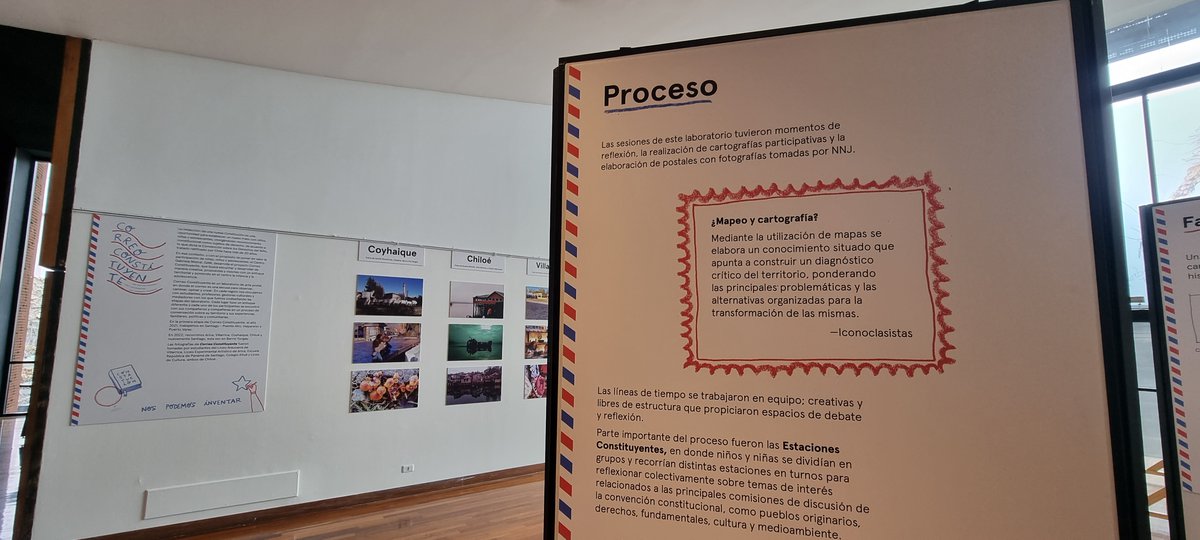
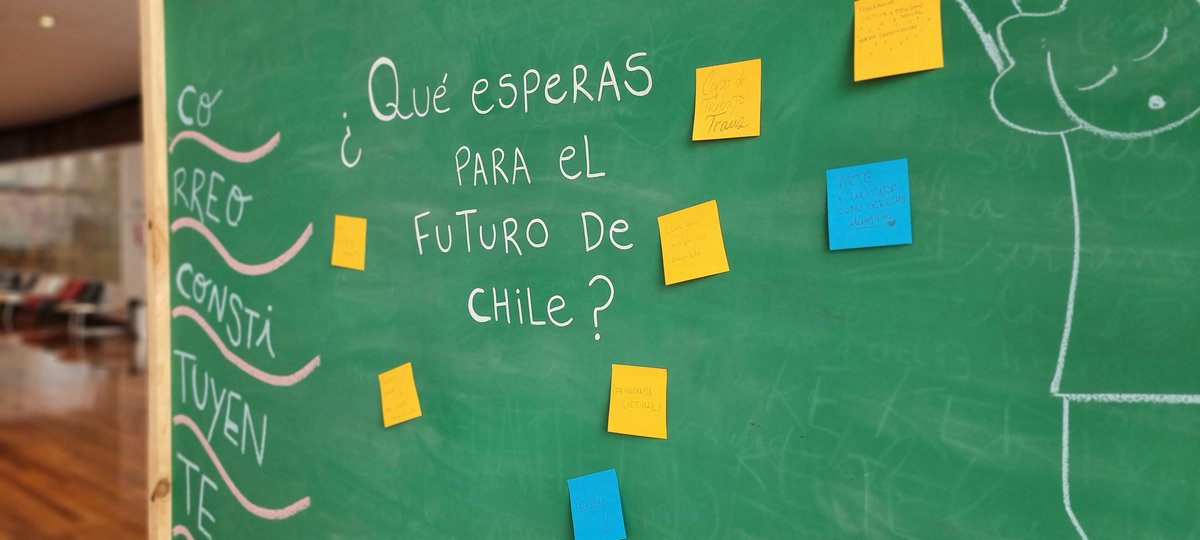
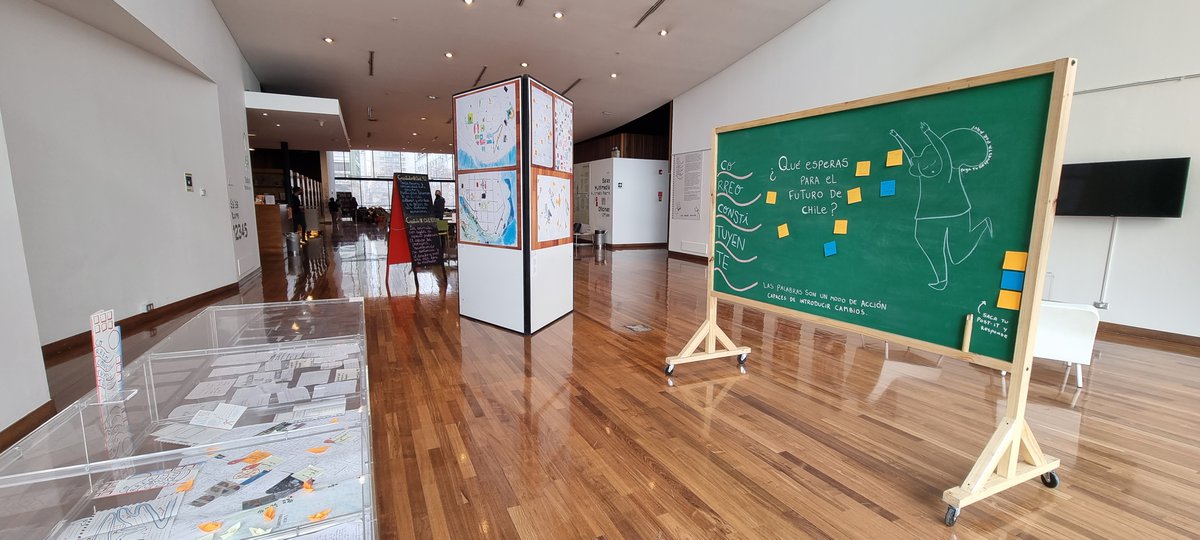
During August, an exhibition at BiblioGAM will bring together the process of this postal art project that traveled through five regions of the country with a focus on dialogue and reflection between students about the constituent process. Free.
Aug 12 to 27, 2022
Tues to Sat — 10 a.m. to 6 p.m.
Fri — 10 a.m. to 5 p.m.
Methodology
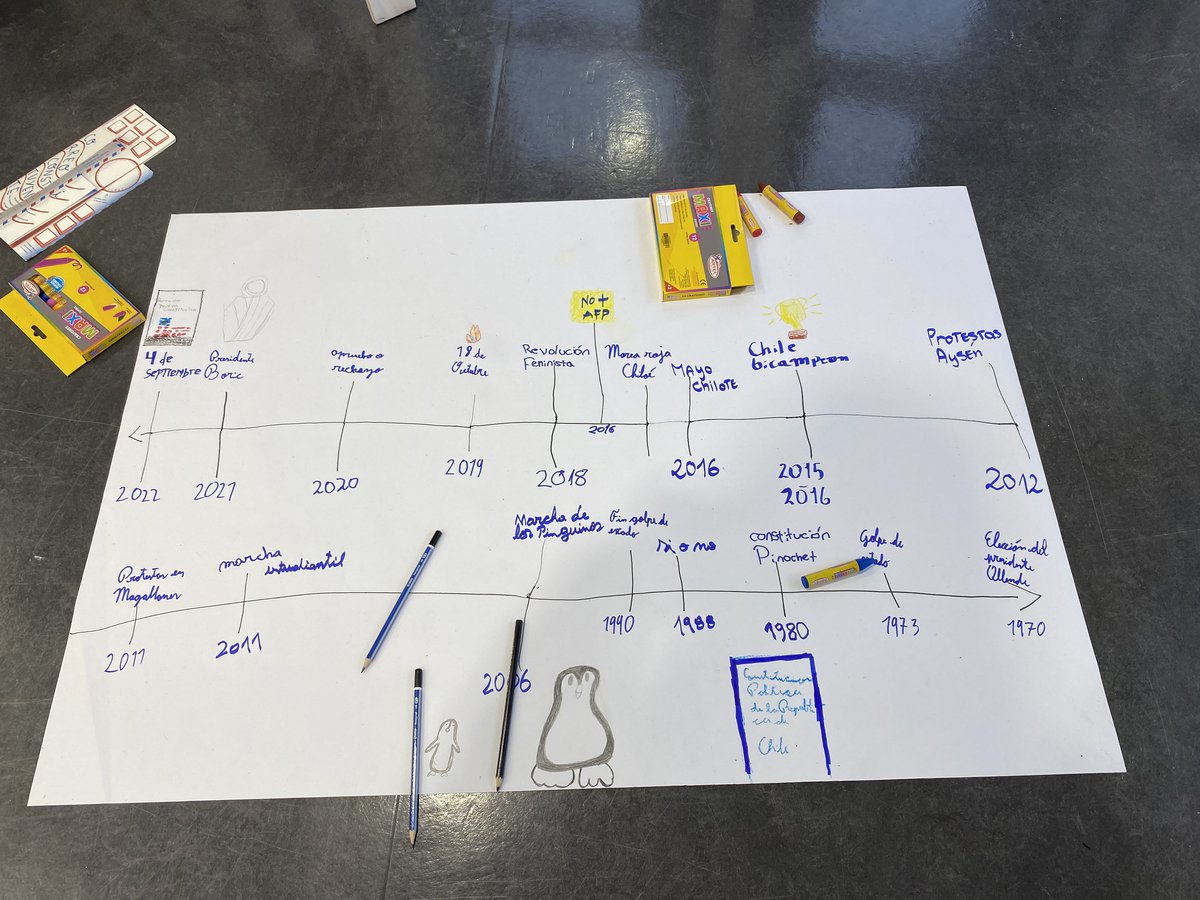
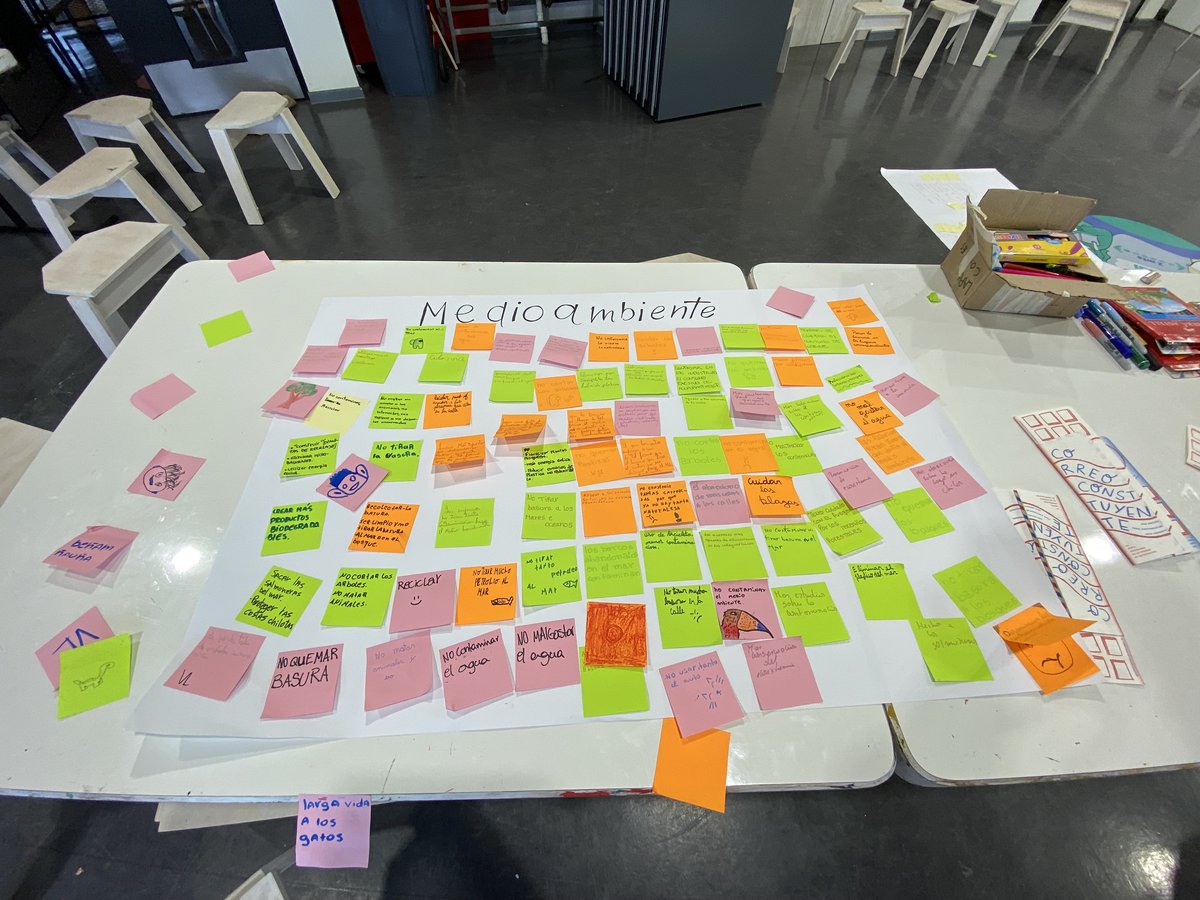
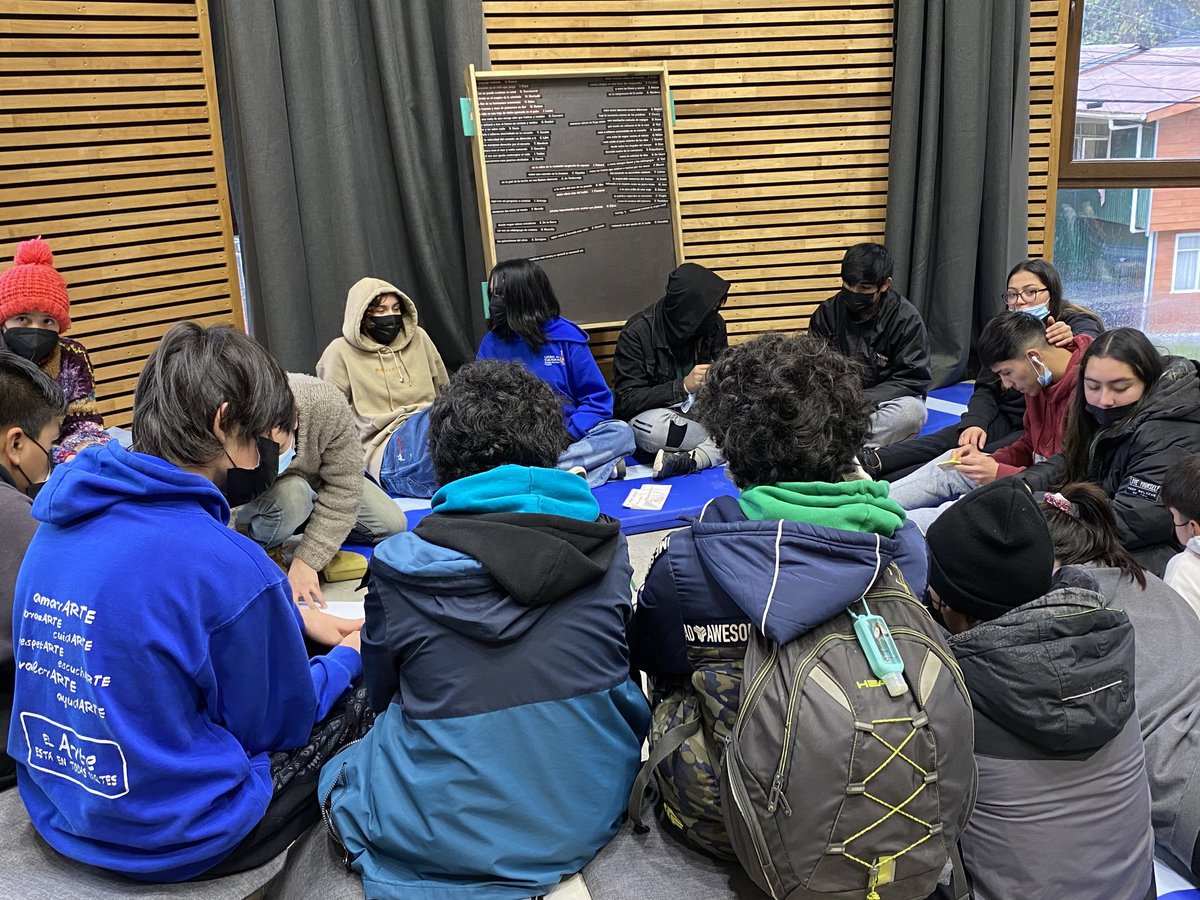
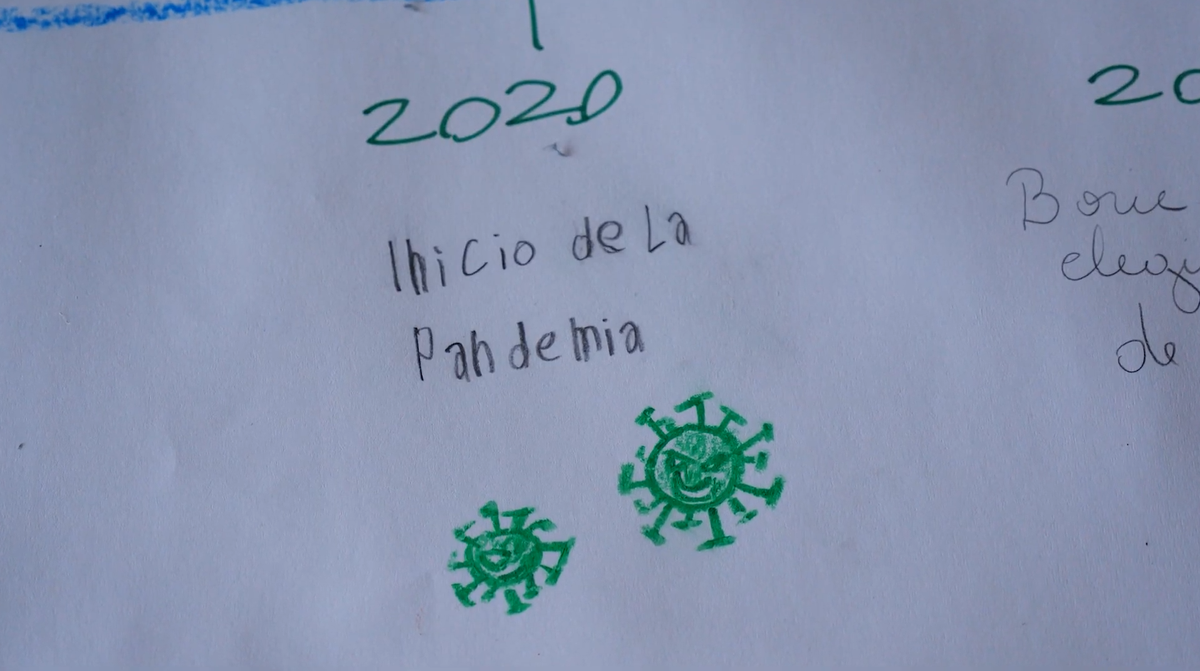
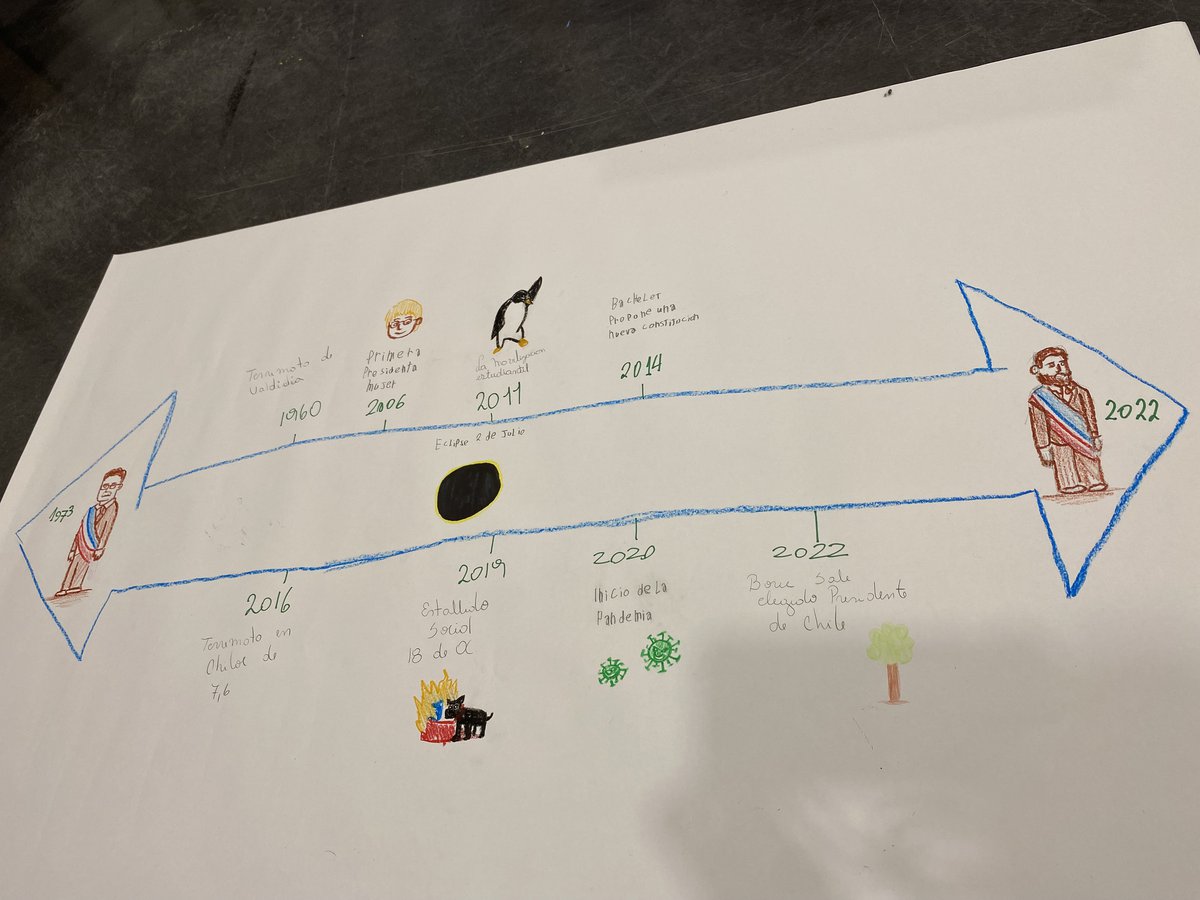
The activities of the Constituent Mail are divided into three days. On the first day, a “Constituent Timeline” is built collaboratively, where the participants chronologically locate those events and milestones that they consider relevant to their history and that marked the constituent process according to their perspectives. Then a participatory dialogue is carried out with the “Coffee of the World” methodology, where students divided into small groups go through thematic stations based on some of the thematic commissions of the Convention, for example: environment, science, culture and technology, indigenous peoples, among others. In this dynamic, dialogue is encouraged between peers, guided by a monitor who organizes the opinions and comments on the topics being discussed in post-its.
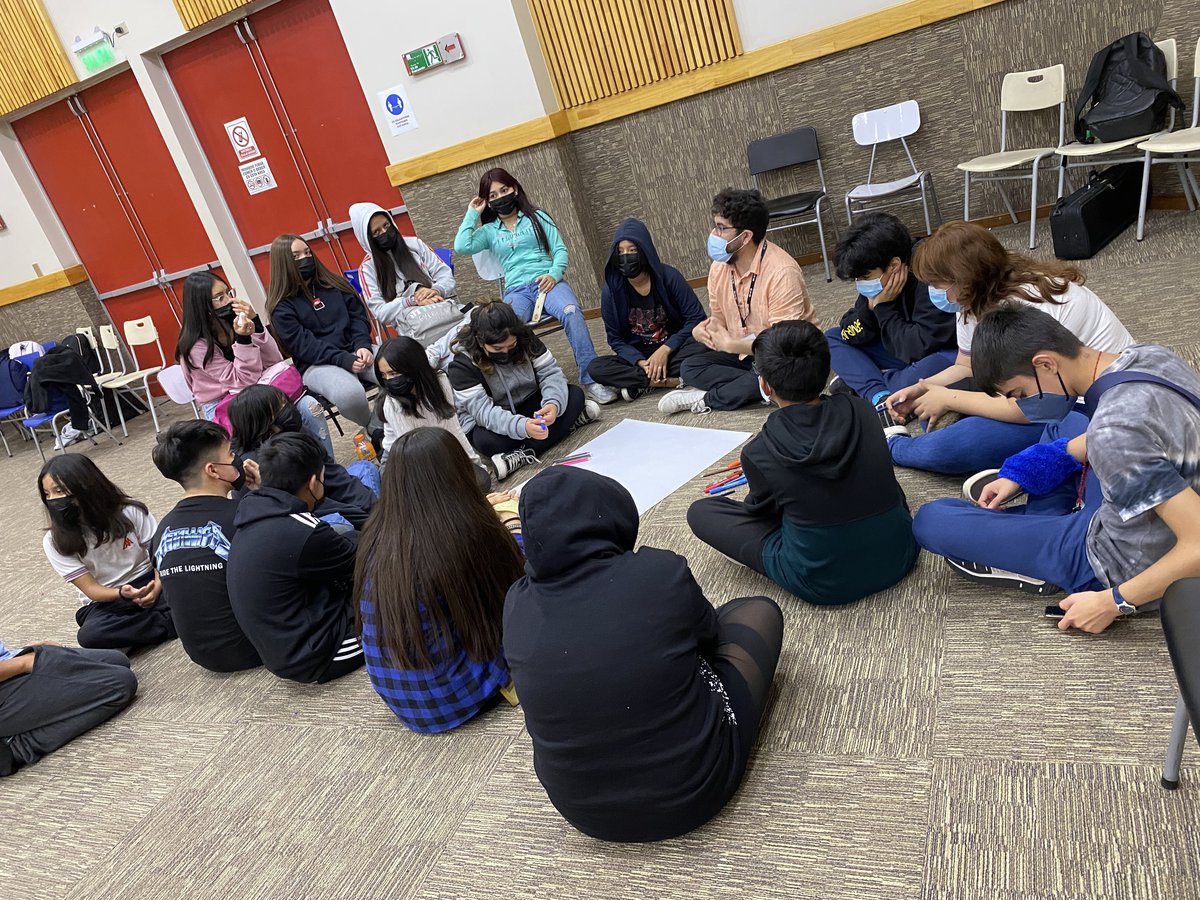
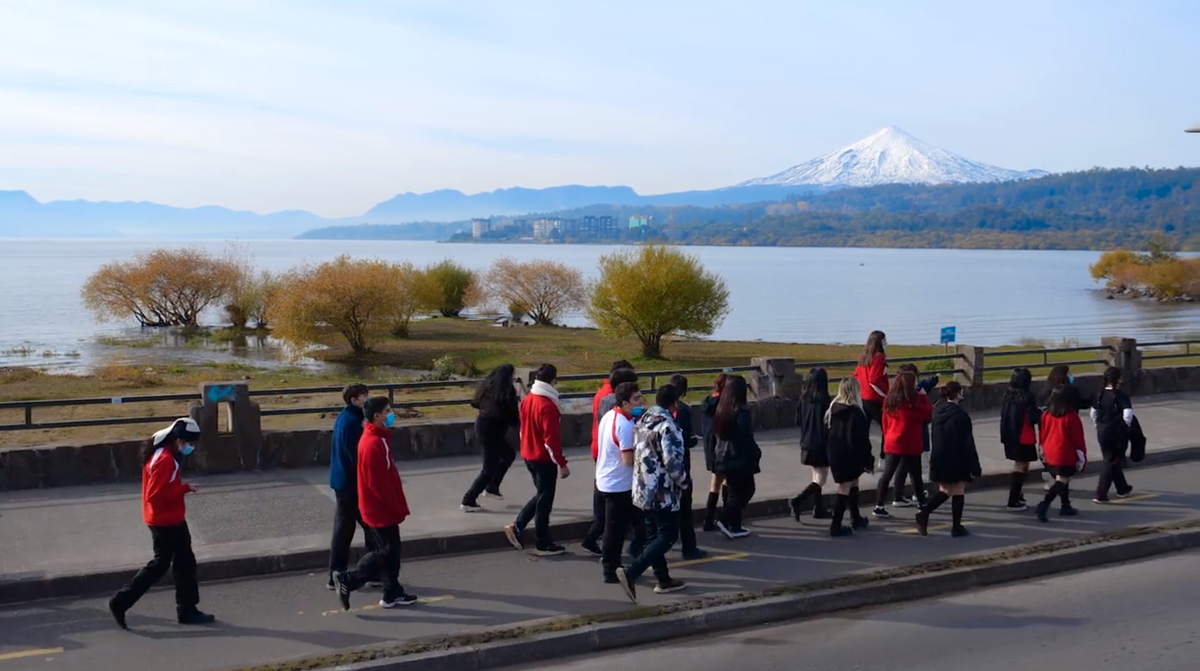
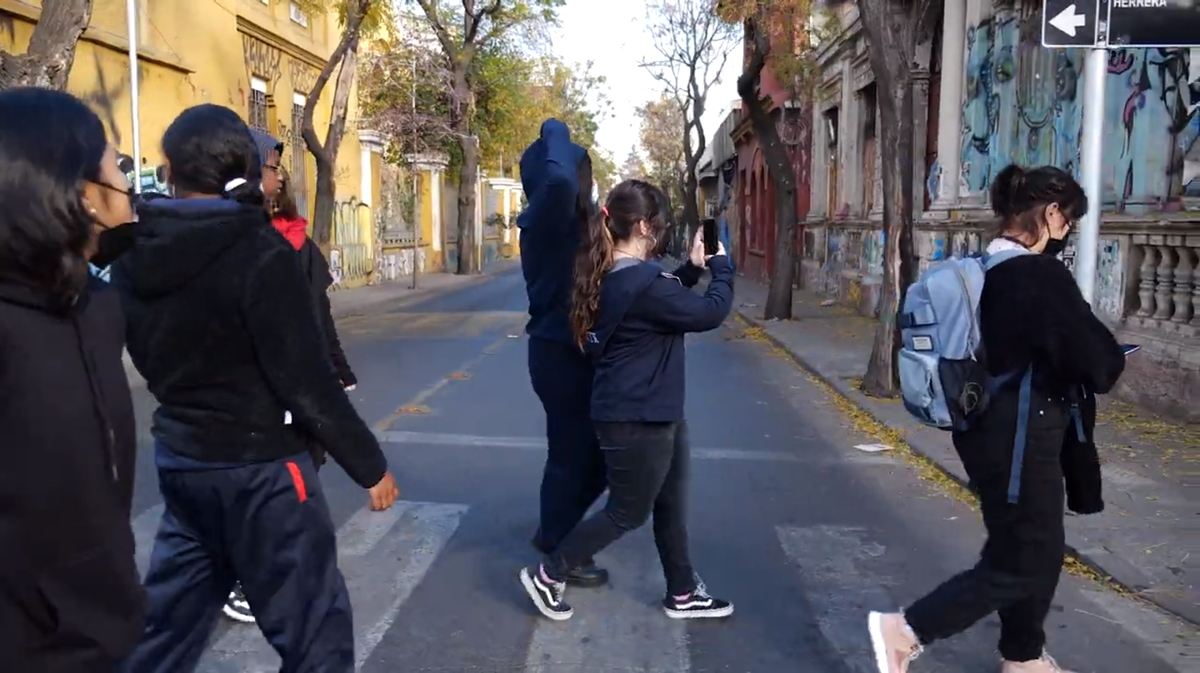
During the second day, a tour of the surroundings of your educational establishment and your neighborhood is carried out, under the premises discussed and the conclusions discussed the previous day. This allows them to identify and photographically record elements and landscapes of their territories and those ideas.
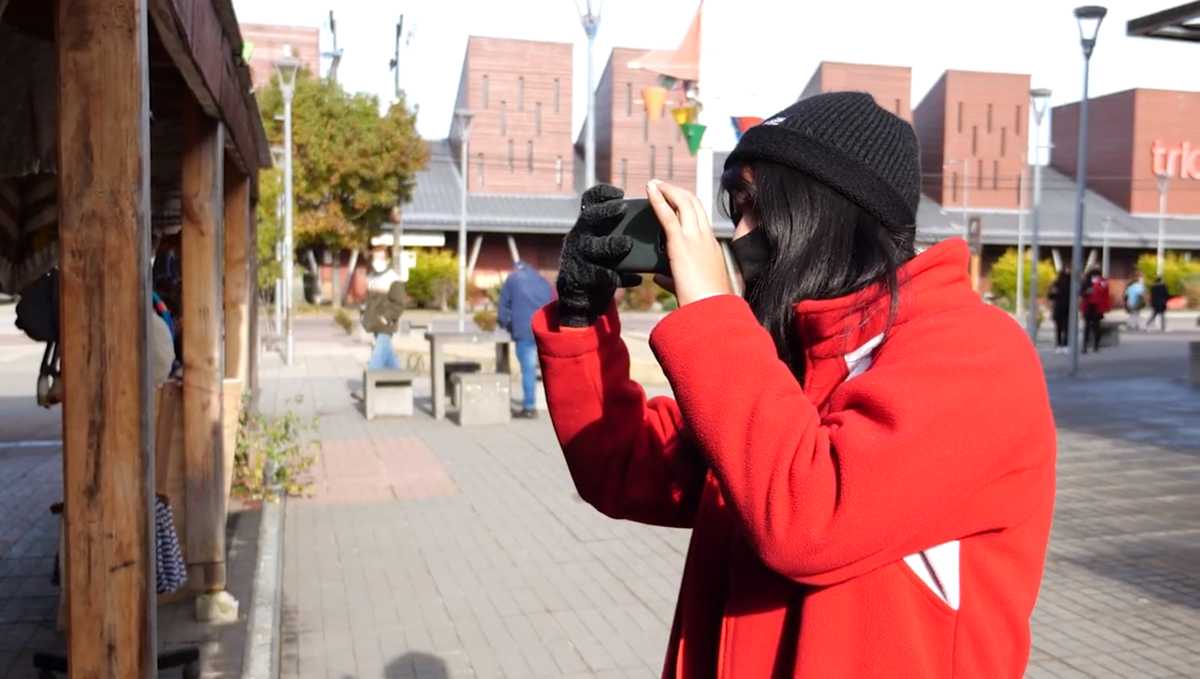
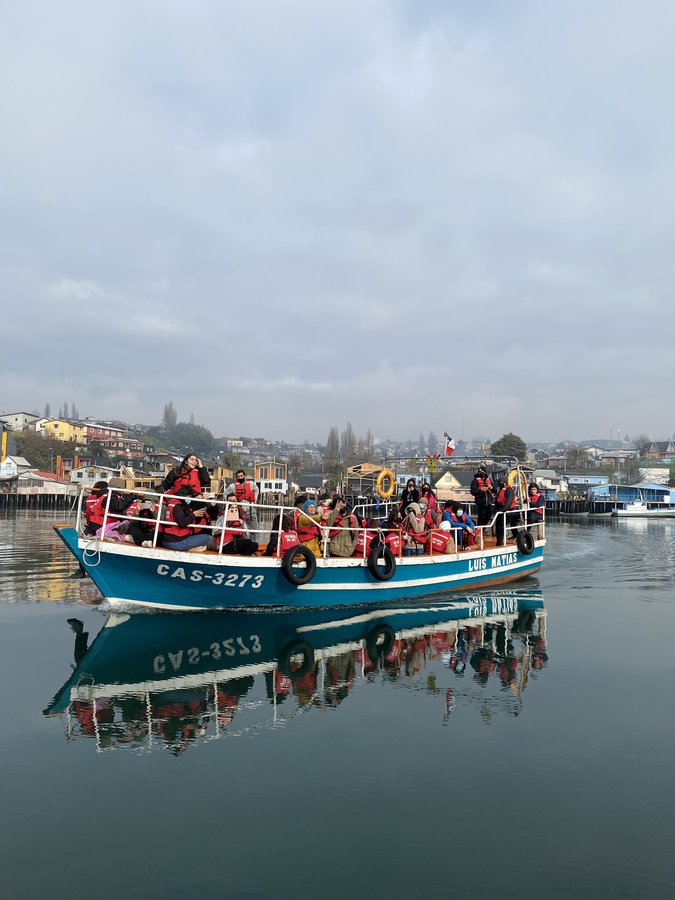
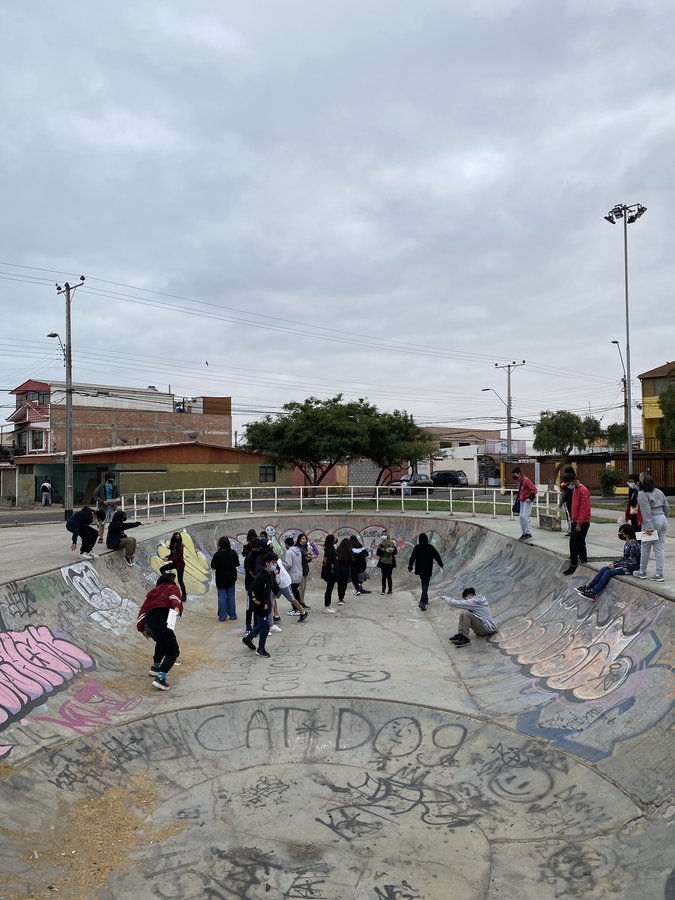
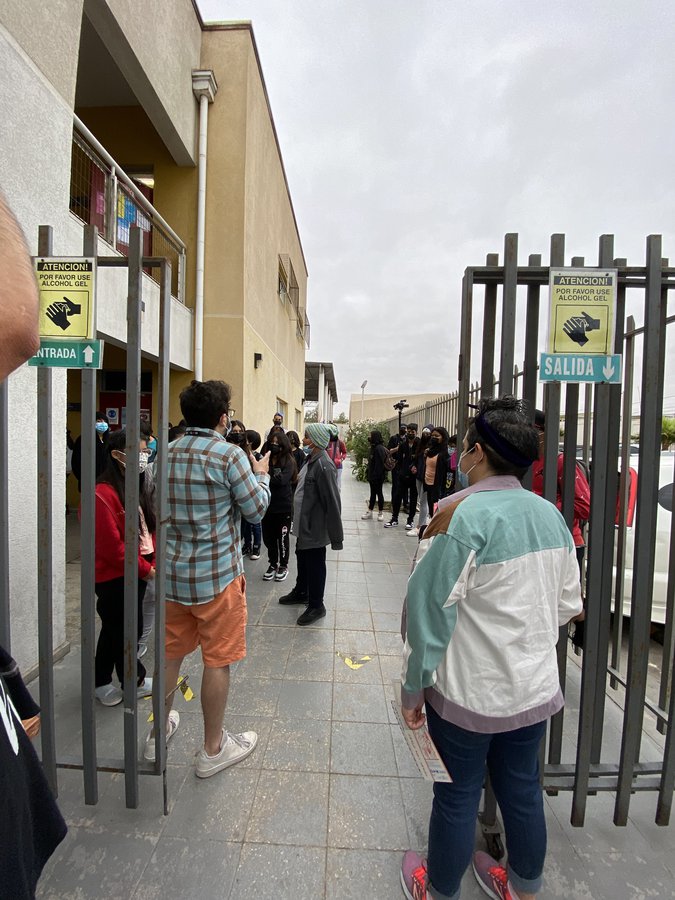
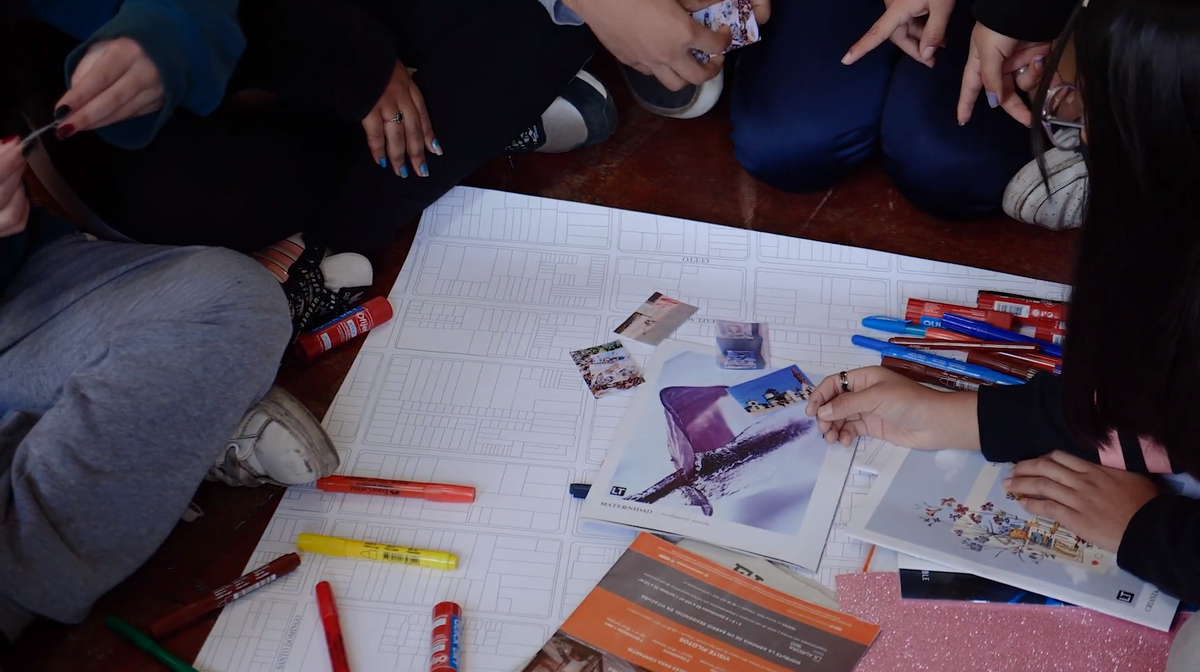
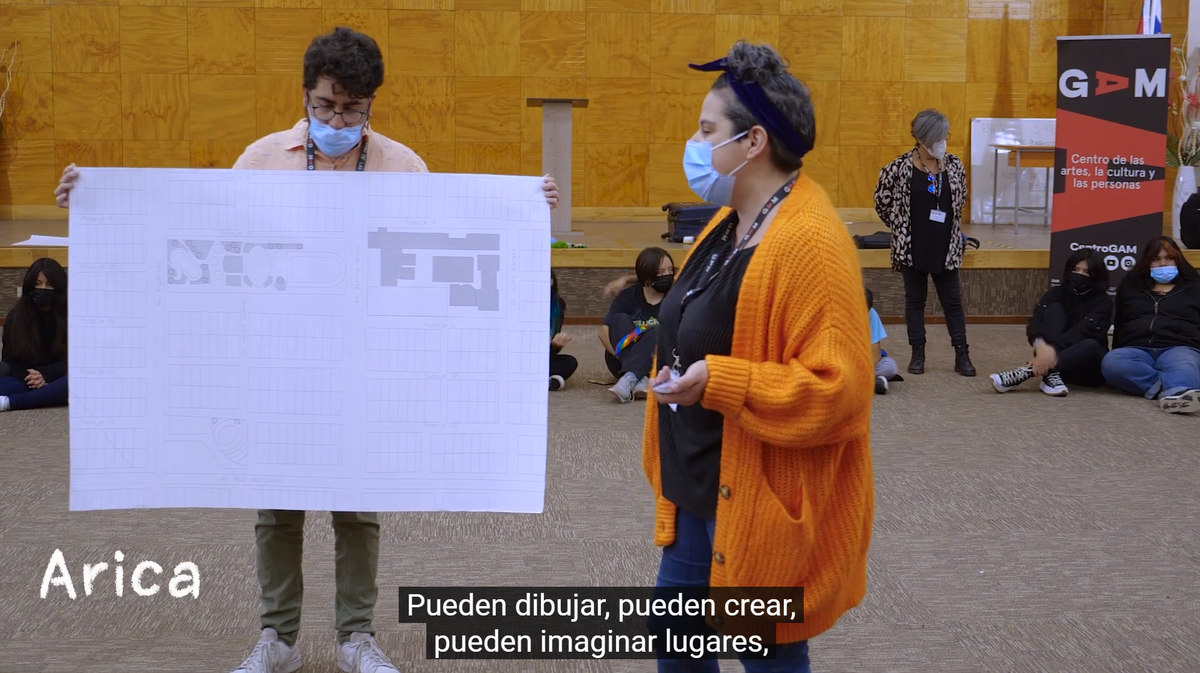
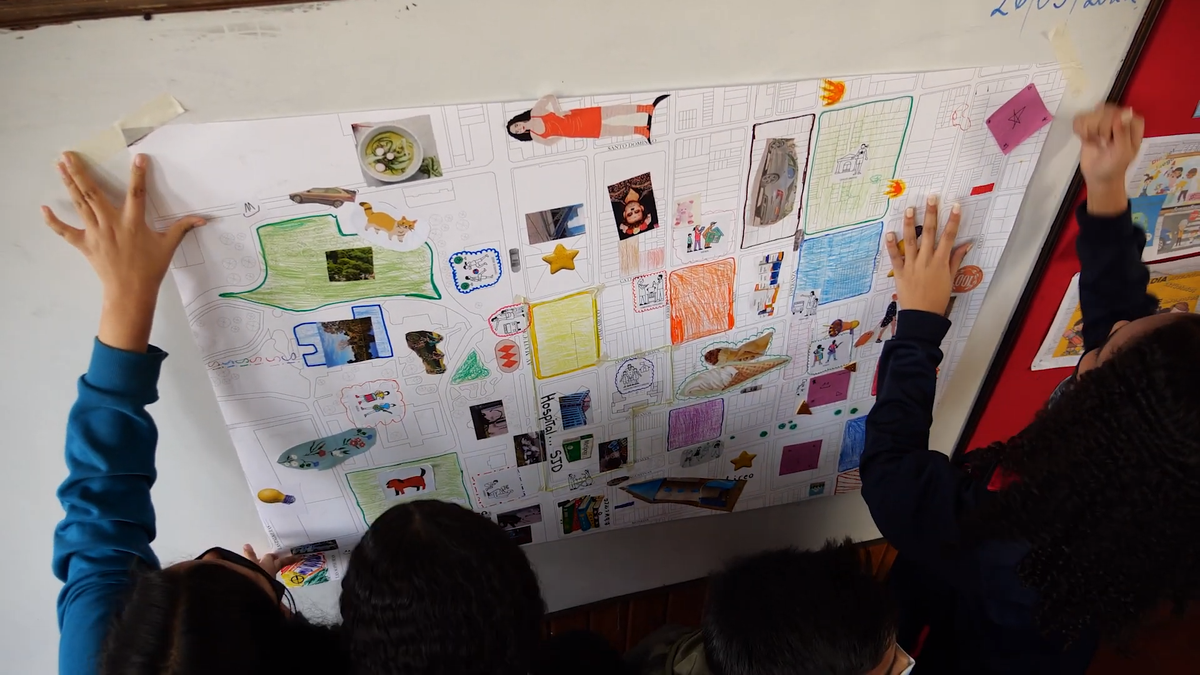
Finally, on the third day, the “Constituent Cartography” is carried out, where the students create a scale map of the landmarks that are in their neighborhoods and roads to high schools. The idea is to let creativity flow, so you can use pencils, markers, cutouts, stickers, wool, among others. Additionally, they are given some of the printed photographs they took the day before so they can also locate them on the map. The objective is to close the process in a visual and tangible way for the participants under their ideas and gaze.
“In Santiago there are many more options, many more people and they decided to come here and that is the important thing.”
— Vicente, student at the Josefina Aguirre High School in Coyhaique.
Creative team
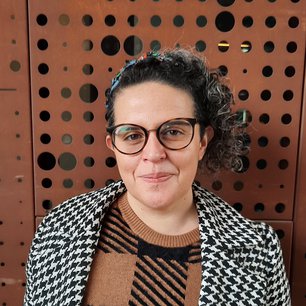
Denise Elphick
Jefa de Audiencias
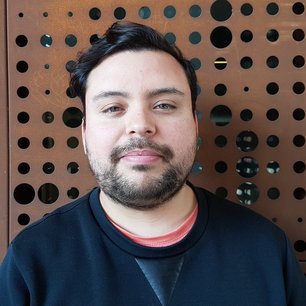
Nicolás Montecino
Mediador
Natacha Osorio
Mediadora
Francisco Castillo
Mediador